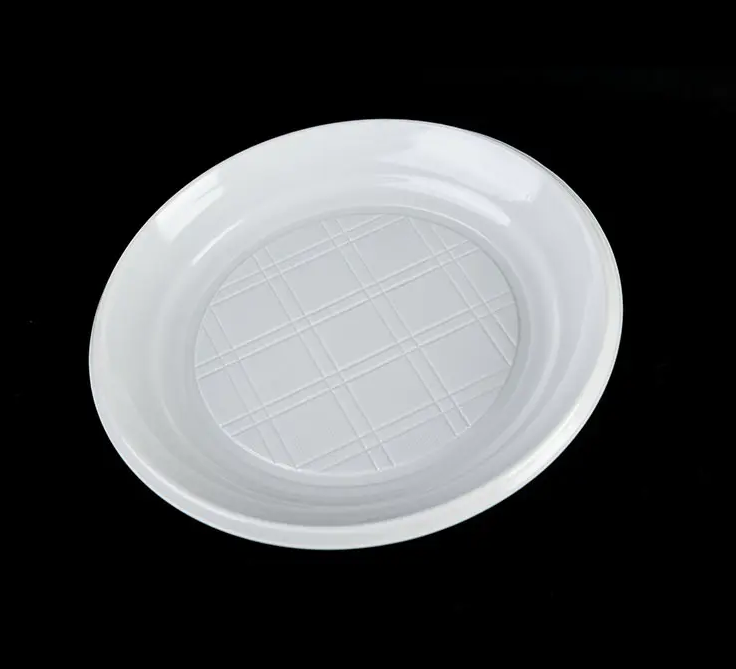
The plastic plate has found itself at the center of a larger cultural conversation about how humanity consumes, discards, and reimagines everyday objects. Few items illustrate the tension between convenience and environmental responsibility quite so neatly as the humble plastic plate. It is simultaneously a symbol of modern practicality and a lightning rod for criticism about waste culture — and the truth, as usual, sits somewhere in the middle.
The distinction between single-use plastic plates and reusable ones is where the sustainability discussion really needs to begin. A thin, transparent disposable plate used once at a party and tossed into a bin tells a very different environmental story from a thick, food-grade polypropylene plate that sits in a family's cabinet for a decade. Grouping these two objects under the same category of "plastic plate" obscures more than it reveals. Advocates for more responsible plastic use argue that durable plastic plates — maintained well and replaced infrequently — fit comfortably within a thoughtful approach to household sustainability.
Innovation in the plastic plate category is accelerating. Manufacturers have begun introducing plates made from recycled plastic content, diverting post-industrial or post-consumer material away from waste streams and back into usable products. Others are exploring bio-based plastics derived from corn starch or sugarcane, which can mimic the properties of conventional polymer plates while carrying a lower carbon footprint during production. Some of these newer plate types are also industrially compostable under controlled conditions, though home composting of plastic-like materials remains unreliable without specific certification guidance.
Ultimately, the plastic plate is not a villain in the sustainability story — it is a tool, and tools carry the values of how people choose to use them. Selecting a reusable, food-safe plastic plate and giving it a long working life, washing it with care, and eventually recycling it properly represents a far more defensible choice than reflexively avoiding plastic only to reach for ceramic or glass alternatives whose own production and shipping chains are rarely as clean as their marketing suggests.