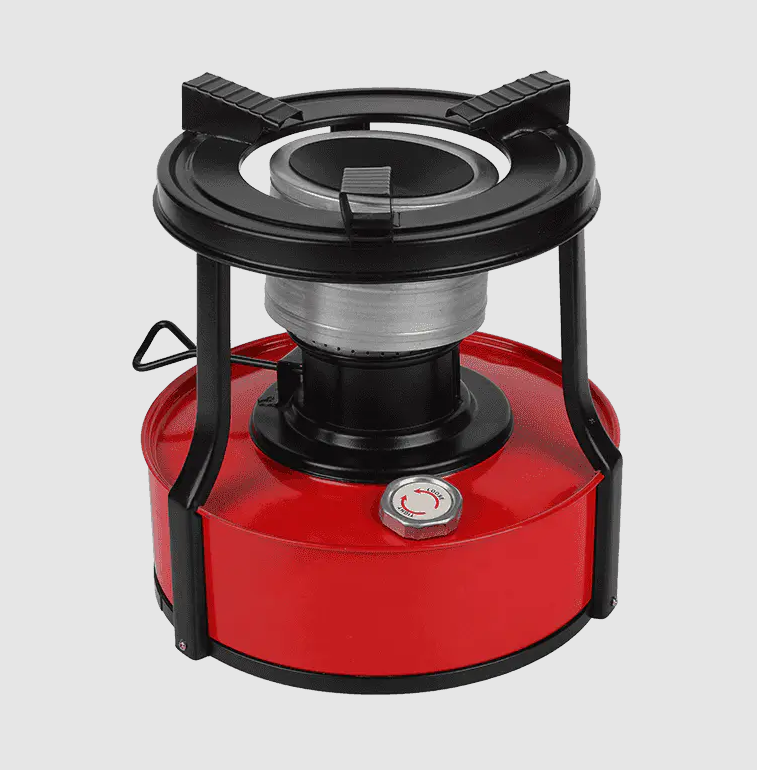
Maintaining a kerosene stove is essential for ensuring consistent performance and safe operation. Regular care helps prevent common issues such as uneven flames or fuel inefficiency. With a few simple practices, users can keep their kerosene stove in reliable condition.
One of the key maintenance tasks involves the wick. Over time, the wick may become worn or clogged with residue. Replacing or trimming the wick helps restore a steady flame. This adjustment also improves fuel consumption by allowing cleaner combustion.
The burner area should be cleaned periodically. Dust and debris can accumulate and affect airflow, which may lead to irregular burning. Gently removing these particles ensures the kerosene stove operates smoothly. Using appropriate cleaning tools prevents damage to the components.
Fuel quality also influences performance. Using clean kerosene reduces the likelihood of buildup inside the stove. Contaminated fuel can create deposits that interfere with the burning process. Storing fuel in sealed containers helps maintain its condition.
Inspecting the fuel tank is another important step. Checking for leaks or signs of wear helps prevent potential hazards. If any damage is detected, repairs should be carried out before using the kerosene stove again.
Proper storage contributes to longevity. When the stove is not in use, it should be kept in a dry environment. Emptying the fuel tank before long-term storage can reduce the risk of corrosion or odor buildup.
Handling the kerosene stove with care also plays a role in maintenance. Avoiding impacts and placing the stove on stable surfaces reduces the chance of structural damage. Consistent care ensures the stove remains functional over time.
In summary, maintaining a kerosene stove involves attention to cleaning, fuel quality, and component condition. These steps help ensure dependable use and extend the service life of the equipment.