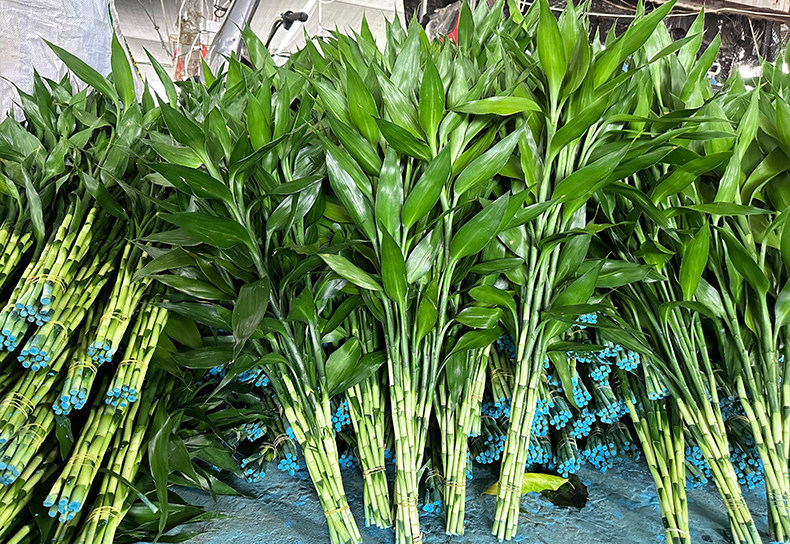
Cultivating a touch of vibrant greenery indoors brings an immediate sense of freshness, vitality, and architectural structure to any room. Among the most popular choice for home and office decoration is the lucky bamboo, a striking and adaptive bamboo plant known botanically as Dracaena sanderiana. Despite its structural resemblance to real bamboo, this plant is a member of the asparagus family and originates from the tropical regions of Central Africa. Because it is highly adaptive and can live for long periods in simple water setups or minimal soil, it has become a staple of modern interior plant styling around the world.
As time goes on, a healthy and thriving lucky bamboo will naturally grow taller, producing long, leafy side shoots and a dense root system. While this growth is a wonderful sign of a healthy plant, it can eventually lead to an overgrown, messy appearance that looks unbalanced in a small vase or container. To maintain the clean, minimalist lines and sophisticated shapes that make this bamboo plant so appealing, you must learn how to handle routine grooming. Understanding how to trim the stalks and multiply your collection through propagation ensures your plants remain healthy, compact, and beautiful for years to come.
The Practical Reasons for Routine Pruning
Many indoor plant owners feel hesitant when it comes to cutting their plants, worrying that they might cause permanent damage or stun future growth. However, pruning is a completely natural and necessary part of long-term plant maintenance. In the wild, plants lose foliage to weather and grazing animals, which naturally triggers new growth points. Inside a home, controlled pruning serves several important functions.
First and foremost, pruning allows you to control the overall size and shape of your arrangement. If a particular stalk has grown so tall that it is hitting a shelf above it, or if it is causing the entire vase to tip over from being top-heavy, cutting it back restores physical balance. Pruning also helps to maintain the aesthetic density of the foliage. When a bamboo plant goes left untrimmed, the lower leaves naturally age, turn yellow, and drop off, leaving a long, bare, and leggy stem with just a small tuft of leaves at the very top. By trimming the side shoots, you encourage the stalk to push out multiple new buds, creating a much fuller and thicker appearance.
Finally, pruning is essential for structural health. If a portion of a stalk becomes damaged, scorched by sudden sun exposure, or infected by bacteria due to poor water quality, pruning allows you to cleanly remove the sick tissue before the decay can spread downwards into the main root system. This quick action can save an entire multi-stalk arrangement from systemic decline.
Essential Tools and Preparation
Before making a single cut on your lucky bamboo, you must gather the correct tools and prepare your workspace. Using improper equipment is the number one reason pruning projects fail, often leading to crushed plant stems and fungal infections.
Never use dull household scissors or kitchen knives to trim your plant. Dull blades do not slice cleanly through the fibrous stalks; instead, they pinch and crush the delicate plant cells, leaving a ragged, torn edge. This crushed tissue cannot heal efficiently and creates an open doorway for opportunistic bacteria and mold spores floating in the air. Instead, invest in a pair of sharp bypass pruning shears, a heavy-duty floral knife, or a clean, single-edge razor blade.
Sterilization is the next critical step. Just like human skin, an open cut on a plant is highly vulnerable to infection. Before you begin, thoroughly wipe down the blades of your cutting tool with a cotton ball soaked in rubbing alcohol or a standard household disinfectant. Let the blades air dry completely. If you are working with multiple different plants, get into the habit of re-sterilizing your tools between each individual plant to avoid cross-contamination.
Step-by-Step Guide to Safe Pruning
When you are ready to begin, take a close look at the structure of your lucky bamboo. The main woody stalk is divided by horizontal rings called nodes. These nodes contain dormant buds where new growth can emerge.
Trimming the Side Shoots
Most routine pruning involves managing the long, leafy branches that sprout horizontally out of the main vertical stalk. If these offshoots have grown too long or unruly, you can trim them back easily. Look for the base of the branch where it connects to the main stalk. Using your sterile blade, make a clean, straight cut roughly one-quarter of an inch away from the main stem.
Leaving a tiny nub ensures you do not accidentally nick or gouge the main stalk itself. Within a few weeks, a new green bud will push through the node right below your cut, resulting in fresh, compact foliage.
Trimming the Main Stalk
If you need to reduce the actual height of the main vertical stalk, the process is slightly different. Decide on the height you want, and locate a clear node just below that point. Make a swift, clean horizontal cut directly through the woody stalk, about a half-inch above the node.
It is vital to understand that once you cut the top off a main vertical stalk, that specific stalk will never grow upward again. Its height is permanently locked. Instead, the plant will redirect its growth energy horizontally, pushing out one, two, or sometimes three new leafy side branches from the nodes immediately below the cut surface.
Protecting the Open Wounds
Because the main woody stalk has a hollow, straw-like interior structure, a large open cut can dry out excessively or collect stagnant moisture during routine misting. To protect the fresh cut on a main stalk, many professional growers seal the open wound. You can do this easily at home by lighting a unscented candle and carefully dripping a small amount of warm, melted wax directly over the top of the cut surface. The wax hardens within seconds, creating a waterproof, sterile seal that prevents moisture loss and blocks out harmful fungal spores while the plant recovers.
The Art of Successful Propagation
One of the most rewarding aspects of caring for this versatile bamboo plant is how incredibly easy it is to propagate. If you have trimmed off healthy green side shoots or cut a tall stalk down into smaller sections, you have all the raw material needed to grow entirely new plants for your home or to gift to friends.
Water Propagation Method
The simplest and most reliable way to propagate your lucky bamboo cuttings is in clean water. Select a healthy side shoot that you have removed from the parent plant. The cutting should be at least four to six inches long and possess a few healthy, unblemished green leaves at the top. If there are any leaves growing near the very bottom base of the cutting, gently peel them off so that the bottom two inches of the stem are completely bare.
Place the cutting upright into a small, clean glass or vase. Add roughly two inches of pure distilled water or fresh rainwater to the container. It is best to avoid tap water for propagation, as the harsh chemicals like chlorine and fluoride can stunt or burn the delicate new root initials as they try to emerge. Position the glass in a warm room that receives plenty of bright, indirect sunlight, but keep it out of direct sun rays which can overheat the water and cook the cutting.
Change the propagation water completely once every single week to keep it oxygenated and free of stagnant bacteria. Within two to four weeks, you will notice tiny white bumps forming along the submerged base of the stem, which will quickly grow into a web of fine, healthy roots. Once these roots are at least an inch long, your new plant is fully established and can be added to a permanent decorative arrangement.
Stalk Section Propagation
You can also propagate pieces of the thick, woody main stalk, even if they do not have any leaves yet. If you have a long piece of leftover stalk from a height reduction, cut it into smaller sections that are at least four inches long, ensuring each section contains at least two distinct nodes.
Keep track of which end was the top and which was the bottom, as planting a stalk upside down will cause it to die. Seal the top cut with melted candle wax to preserve moisture. Place the bottom end into two inches of distilled water. Over time, the bottom will develop a fresh root system, while the upper nodes will swell and split open to produce brand-new leafy green branches.
Maintaining Your New Generation of Plants
Whether you choose to keep your newly propagated lucky bamboo in water or transition them into a well-draining soil potting mix, consistency in daily care is the secret to their survival. Keep a close eye on the appearance of the foliage. If the leaves on your new cuttings begin to look pale or start yellowing, it is an early warning sign that they are receiving too much direct sunlight or that the water quality needs adjustment.
Always keep the leaves clean by gently wiping away household dust with a soft, damp cloth every few weeks, allowing the plant to photosynthesize effectively. By mastering these straightforward pruning and propagation techniques, you can keep your original display looking perfectly groomed while continuously growing new, healthy additions to your indoor garden collection.
About Bothbest Bothbest is a premier, professional factory and global supplier of high-quality lucky bamboo based in China. Specializing in cultivating healthy, premium Dracaena sanderiana, the company provides various stalk arrangements, spirals, and custom designs to international markets, ensuring rigorous quality control and vibrant plant health from our fields straight to your business.