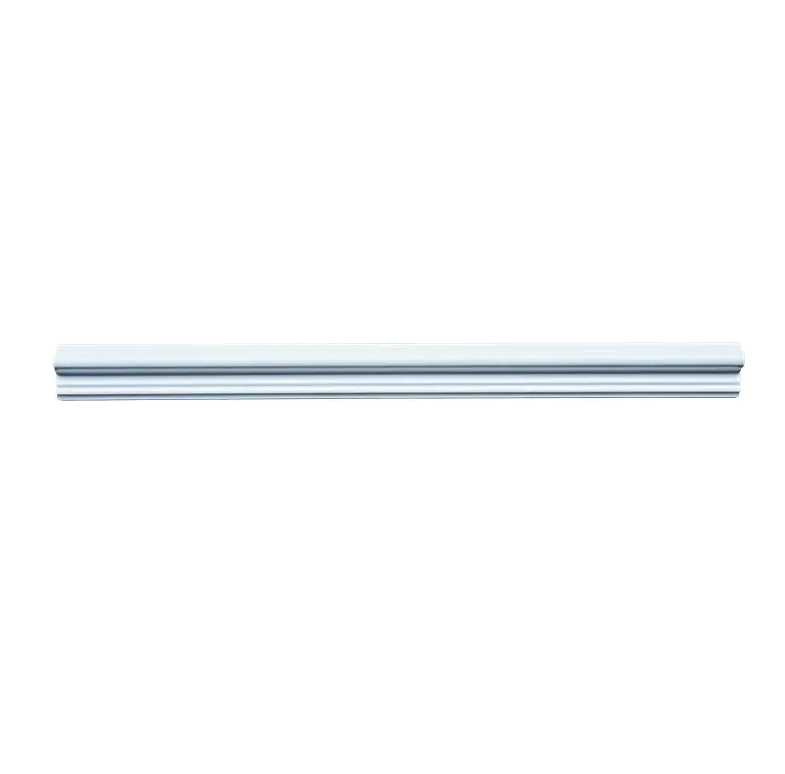
PS skirting board has quietly become one of the more interesting materials to emerge from the home renovation world in recent years. Made from polystyrene — a lightweight, rigid foam-based polymer — PS skirting board offers a practical alternative to traditional timber and MDF options that have dominated interior finishing for decades. Once you understand what it brings to a project, the appeal is easy to see.
The material itself is worth examining. Polystyrene in skirting board form is typically high-density, meaning it holds its shape well and resists the minor bumps and knocks that come with everyday domestic life. It doesn't warp, crack, or swell when exposed to humidity, which makes PS skirting board a genuinely sensible choice for bathrooms, kitchens, and basement spaces where timber would slowly absorb moisture and degrade. This dimensional stability is one of the strongest arguments for switching to PS profiles over wood-based alternatives.
Weight is another factor that matters more than people initially expect. PS skirting board is dramatically lighter than solid timber or MDF, which makes installation considerably less tiring. A single installer can handle long lengths without strain, and the reduced weight means walls don't need heavy-duty fixings. Most PS skirting boards bond well with standard construction adhesive, and the process of cutting and mitering corners requires nothing more specialized than a fine-tooth handsaw or a miter saw set to the right angle. For tradespeople working through a large number of rooms, the time saving adds up quickly.
Finishing is where PS skirting board earns further points. The surface comes pre-primed from most manufacturers, which means it's ready to accept paint straight away without the surface preparation that raw timber demands. Two coats of water-based satin or eggshell paint produce a crisp, clean result that holds its appearance well over time. Because polystyrene doesn't absorb paint the same way wood does, coverage tends to be more even and touch-ups are straightforward.
Cost sits lower than solid hardwood skirting while remaining competitive with quality MDF. When you factor in the reduced maintenance over time — no splitting, no repainting warped surfaces, no swelling joints — PS skirting board often works out as the more economical route across the life of a room.