For anyone running a food business, selecting disposable food boxes is a practical decision with real consequences. Choose poorly and you end up with containers that leak, collapse under a stack of orders, or arrive at the customer looking tired and defeated. Choose thoughtfully and the packaging quietly reinforces the quality of what's inside. The range of options available today is broader than it's ever been, which makes the selection process both more interesting and more complex.
Material choice is the foundational decision. Kraft paper disposable food boxes carry a natural, artisan aesthetic that works well for bakeries, street food vendors, and cafés that want packaging matching their brand personality. The unbleached brown surface communicates something about simplicity and provenance that a plain white box doesn't — and that association has commercial value. For operators handling wet or heavily sauced foods, however, uncoated kraft needs a grease-resistant liner or coating to prevent the walls from softening and losing their shape mid-delivery.
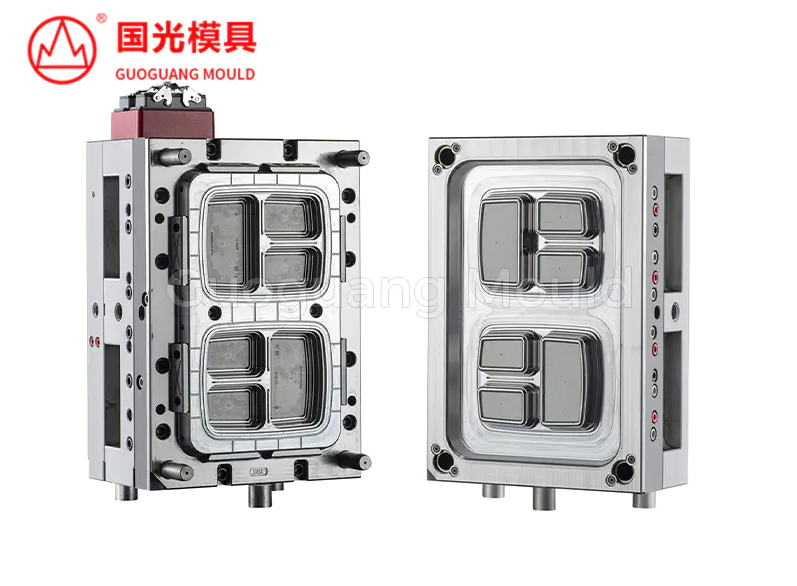
Compartmented disposable food boxes are a growing subcategory worth noting. Meal combinations — a main with sides, a protein with grains and vegetables — benefit from containers with dividers that prevent different elements from mixing during transport. Bagasse and PP are both used for compartmented designs, and the engineering challenge is ensuring the divider walls are tall and sturdy enough to do their job without adding unnecessary bulk to the overall container.
For food businesses weighing up their disposable food box options, the practical approach is to test shortlisted options with actual menu items under delivery conditions rather than relying entirely on manufacturer specifications. A box that performs well in a controlled setting sometimes behaves differently when filled with a freshly cooked portion, sealed, placed in a delivery bag, and carried on a bicycle for twenty minutes. Real-world testing reveals what a data sheet cannot.