As urban populations continue to grow, metro systems have become one of the most important transportation solutions for modern cities. From high-capacity subway networks in Asia to expanding underground transit projects in Europe, the demand for safe, reliable, and long-lasting infrastructure has never been higher.
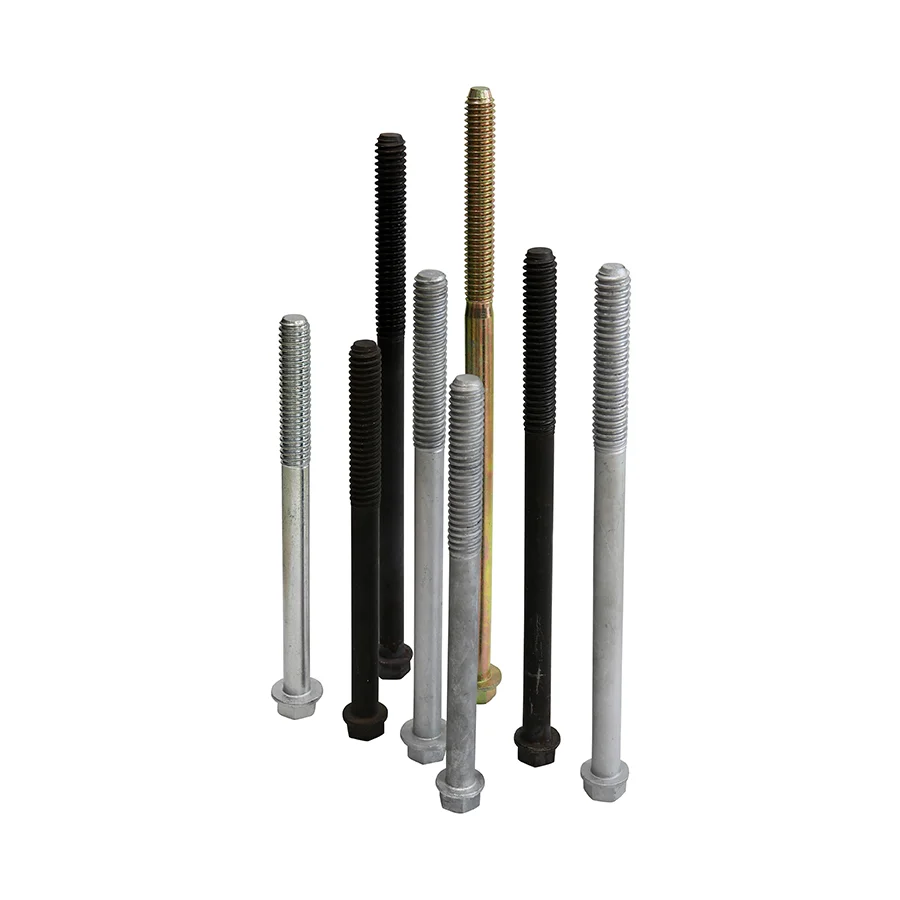
While passengers often focus on trains, stations, and signaling systems, the safety and stability of a metro network depend heavily on thousands of structural components working together behind the scenes. Among these components, metro bolts play a crucial role in maintaining the integrity of tunnel structures, fastening systems, and track assemblies.
In challenging underground environments, selecting the right metro bolt is not simply a procurement decision—it is an essential part of ensuring long-term operational safety and infrastructure durability.
Understanding the Challenges of Underground Rail Infrastructure
Metro tunnels operate under conditions that are significantly different from above-ground railway systems.
Throughout their service life, underground structures are exposed to:
- Continuous vibration from train movement
- Dynamic loading and unloading cycles
- Groundwater pressure
- Humidity and condensation
- Chemical exposure from soil and groundwater
- Stray electrical currents
- Occasional seismic activity
These factors create a demanding environment where ordinary fastening systems may experience accelerated wear, corrosion, or structural degradation.
As a result, modern metro projects increasingly require high-strength metro bolts specifically engineered for underground applications.
The Importance of Mechanical Strength
Every passing train generates forces that are transferred through rails, fastening systems, and tunnel structures.
Over time, these repetitive loads can lead to fatigue-related issues if fasteners lack sufficient mechanical performance.
High-quality metro bolts are designed to provide:
High Tensile Strength
Strong tensile properties help maintain secure connections between structural components, preventing displacement under heavy loads.
Excellent Shear Resistance
Track systems experience lateral forces during train acceleration, braking, and curve negotiation. Metro bolts must resist these forces without deformation.
Impact Absorption Capability
In situations involving vibration peaks or seismic events, properly engineered fasteners help distribute stress and reduce the risk of sudden structural failure.
For this reason, material selection and heat-treatment processes are critical considerations when manufacturing metro fastening systems.
Corrosion Resistance: A Key Requirement for Underground Applications
Corrosion remains one of the leading causes of infrastructure deterioration worldwide.
In subway environments, moisture and contaminants can accelerate corrosion processes, particularly when metal components remain exposed for decades.
Corrosion-resistant metro bolts help address these challenges by offering:
- Long-term durability
- Reduced maintenance requirements
- Improved structural reliability
- Lower lifecycle costs
Many modern metro projects utilize stainless steel or specially treated alloy fasteners to provide additional protection against moisture, chemicals, and electrochemical corrosion.
This is particularly important for tunnels located in coastal cities or regions with high groundwater levels.
Preventing Water Ingress Through Reliable Fastening Systems
Water management is a major concern in underground construction.
Groundwater infiltration can contribute to:
- Concrete deterioration
- Reinforcement corrosion
- Electrical equipment failures
- Increased maintenance costs
Well-designed metro bolt systems often incorporate sealing features that improve joint protection and reduce the possibility of water penetration.
When installed according to specified torque requirements, these fastening systems help create secure and stable connections while supporting overall tunnel waterproofing performance.
By minimizing moisture intrusion, operators can better protect both structural assets and sensitive railway equipment.
Long Service Life Supports Sustainable Infrastructure Investment
Metro projects are designed with service lives measured in decades rather than years.
Consequently, infrastructure owners increasingly focus on total lifecycle performance instead of initial purchase costs alone.
A long-service-life metro bolt offers several advantages:
Reduced Maintenance Frequency
Durable fasteners require fewer inspections and replacements.
Lower Operational Costs
Extended service intervals help reduce maintenance budgets and labor requirements.
Improved Network Availability
Reliable fastening systems contribute to fewer service interruptions and reduced downtime.
For transit authorities, these benefits directly support long-term operational efficiency and asset management objectives.
Installation Efficiency Matters
In addition to durability, practical installation and maintenance considerations play a significant role in component selection.
Metro maintenance activities are often performed during limited overnight work windows, leaving little room for complicated installation procedures.
Modern metro bolt systems are therefore designed to support:
- Fast installation
- Consistent torque application
- Easy inspection
- Simplified replacement procedures
Bolts that can be removed and reinstalled without damaging surrounding structures provide significant advantages during maintenance, alignment adjustments, and future infrastructure upgrades.
This flexibility helps maintenance teams complete critical work efficiently while minimizing disruption to daily passenger operations.
How HuiBo Railway Supports Metro Infrastructure Projects
As a professional manufacturer of railway fastening components, HuiBo Railway understands the demanding requirements of modern urban transit systems.
The company's metro bolt solutions are designed with a focus on:
- High mechanical strength
- Corrosion resistance
- Reliable sealing performance
- Long service life
- Efficient installation
Through strict quality control and precision manufacturing processes, HuiBo Railway provides fastening solutions that support the long-term safety and reliability of subway infrastructure projects worldwide.
Rather than focusing solely on product specifications, the company emphasizes practical performance under real-world operating conditions, helping transit authorities and contractors achieve dependable results throughout the lifecycle of their infrastructure assets.
Final Thoughts
Metro systems represent some of the most complex transportation infrastructures in the world. While often overlooked, fastening components such as metro bolts play an essential role in maintaining structural stability, operational safety, and long-term asset performance.
By combining high strength, corrosion resistance, effective sealing capabilities, and maintenance-friendly design, modern metro bolts help subway operators reduce lifecycle costs while ensuring safe transportation for millions of passengers every day.
As underground transportation networks continue to expand globally, the importance of reliable, high-performance metro fastening systems will only continue to grow.
https://www.hbrailwayfastening.com/the-critical-role-of-metro-bolts-in-rail-infrastructure.html