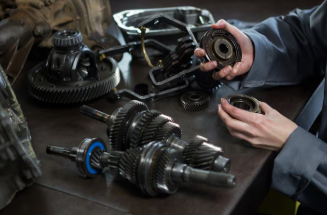
Your vehicle's transmission is one of its most important components, responsible for transferring power from the engine to the wheels. Whether your vehicle uses a manual or automatic gearbox, proper maintenance is essential for performance, fuel efficiency, and safety. While many drivers focus on engine servicing, transmission issues often go unnoticed until costly repairs become necessary.
Understanding the early warning signs can help you avoid major breakdowns and expensive repairs. At Ultimate Car Expert - Jindalee, we specialize in both manual transmission repair and automatic transmission repair, helping drivers keep their vehicles operating smoothly and reliably.
Here are ten warning signs that indicate your vehicle may need professional transmission attention.
1. Difficulty Shifting Gears
One of the most common signs of transmission trouble is difficulty changing gears. In automatic vehicles, you may notice delayed engagement when shifting from park to drive or reverse. In manual vehicles, gears may feel stiff or difficult to engage.
If gear changes become rough or inconsistent, it's time to have your transmission inspected by professionals.
Possible Causes:
- Low transmission fluid
- Worn clutch components
- Damaged synchronizers
- Internal transmission wear
2. Transmission Fluid Leaks
Transmission fluid plays a critical role in lubrication, cooling, and smooth operation. If you notice red or brown fluid underneath your vehicle, a transmission leak could be the cause.
Ignoring leaks can lead to overheating and severe transmission damage.
Warning Signs:
- Fluid spots under the vehicle
- Burning smell
- Reduced transmission performance
Regular inspections can help identify leaks before they become major problems.
3. Grinding or Shaking While Driving
Unusual grinding, shaking, or vibration while driving often signals transmission issues.
In manual vehicles, grinding noises during gear changes frequently indicate the need for manual transmission repair. Automatic vehicles may experience vibrations during acceleration or shifting.
Professional diagnosis is essential to determine the underlying cause.
4. Delayed Gear Engagement
When you shift into drive or reverse, your vehicle should respond almost immediately. A delay in movement may indicate transmission wear or fluid-related issues.
Common Symptoms:
- Vehicle hesitates before moving
- Slow acceleration response
- Delayed reverse engagement
These symptoms often point toward the need for automatic transmission repair.
5. Unusual Noises
Transmissions should operate quietly. Any unusual sounds should be investigated promptly.
Listen For:
- Grinding
- Whining
- Clunking
- Humming
- Buzzing
Different noises may indicate different mechanical issues, ranging from worn bearings to damaged gears.
6. Slipping Gears
Transmission slipping occurs when the vehicle unexpectedly changes gears or struggles to remain in the selected gear.
Symptoms Include:
- Sudden RPM increases
- Loss of power
- Unpredictable gear changes
- Poor acceleration
Gear slipping can compromise vehicle safety and should never be ignored.
7. Burning Smell
A burning smell often indicates overheating transmission fluid.
Transmission fluid deteriorates over time and loses its ability to lubricate and cool internal components effectively.
Possible Causes:
- Old transmission fluid
- Fluid contamination
- Internal friction
- Overheating components
Routine maintenance helps prevent overheating and extends transmission life.
8. Dashboard Warning Lights
Modern vehicles use onboard diagnostic systems to monitor transmission performance.
If your check engine light or transmission warning light appears, schedule an inspection immediately.
Diagnostic testing can identify issues before they become major repairs.
9. Poor Fuel Efficiency
Transmission problems can negatively affect fuel economy.
When gears fail to engage properly, the engine works harder than necessary, increasing fuel consumption.
Benefits of Timely Repairs:
- Improved fuel efficiency
- Better vehicle performance
- Reduced operating costs
- Longer transmission lifespan
Professional servicing ensures optimal transmission operation.
10. Vehicle Refuses to Move
One of the most serious transmission problems occurs when the vehicle refuses to move despite the engine running.
Potential Causes:
- Severe internal damage
- Complete transmission failure
- Broken clutch components
- Fluid loss
Immediate professional attention is required to prevent further damage.
Understanding Manual Transmission Repair
While automatic transmissions are increasingly common, many drivers still prefer manual vehicles for their control and performance advantages.
Manual transmission repair may involve:
Clutch Replacement
The clutch is one of the most frequently serviced components in manual vehicles.
Signs of clutch wear include:
- Slipping gears
- Difficulty shifting
- Reduced acceleration
- Burning smells
Gear Synchronizer Repairs
Synchronizers help gears engage smoothly. Worn synchronizers often cause grinding during shifts.
Gearbox Repairs
Manual gearboxes contain numerous components that may wear over time, including bearings, shafts, and gears.
Professional inspections help identify issues early and prevent major repairs.
Common Causes of Automatic Transmission Problems
Several factors contribute to transmission wear and failure.
Lack of Maintenance
Neglecting fluid changes significantly increases transmission wear.
Overheating
Excessive heat is one of the leading causes of transmission failure.
Towing Heavy Loads
Frequent towing places additional strain on transmission components.
Aggressive Driving
Rapid acceleration and sudden braking increase wear and tear.
Fluid Contamination
Dirty or degraded fluid reduces lubrication and cooling efficiency.
Regular servicing helps minimize these risks.
Benefits of Professional Transmission Repair
Working with experienced transmission specialists offers numerous advantages.
Accurate Diagnosis
Modern diagnostic equipment identifies problems quickly and accurately.
Improved Reliability
Professional repairs restore dependable vehicle performance.
Cost Savings
Addressing minor issues early prevents expensive major repairs.
Enhanced Safety
Properly functioning transmissions contribute to safer driving conditions.
Extended Vehicle Lifespan
Routine maintenance and repairs help maximize vehicle longevity.
Why Choose Ultimate Car Expert - Jindalee?
When it comes to manual transmission repair and automatic transmission repair, experience matters.
At Ultimate Car Expert - Jindalee, customers benefit from:
- Skilled transmission technicians
- Advanced diagnostic equipment
- Quality replacement parts
- Honest service recommendations
- Competitive pricing
- Comprehensive vehicle inspections
Our team is committed to helping drivers maintain reliable and efficient vehicles.
Preventative Maintenance Tips
Preventative care is the best way to avoid costly transmission repairs.
Check Fluid Levels Regularly
Monitor transmission fluid levels and condition according to manufacturer recommendations.
Follow Service Intervals
Routine servicing helps identify issues before they become serious.
Avoid Excessive Towing
Use appropriate towing equipment and observe vehicle limits.
Drive Smoothly
Gentle acceleration and braking reduce transmission stress.
Address Problems Early
Never ignore unusual noises, leaks, or shifting difficulties.
Conclusion
Transmission problems rarely resolve themselves. Recognizing the early warning signs can save significant time, money, and inconvenience. Whether you're experiencing shifting difficulties, fluid leaks, unusual noises, or poor performance, prompt attention is essential.
For expert manual transmission repair and automatic transmission repair, trust the experienced team at Ultimate Car Expert - Jindalee. Our professional technicians provide reliable diagnostics, quality repairs, and ongoing maintenance solutions to keep your vehicle performing at its best.
Frequently Asked Questions
What is the difference between manual transmission repair and automatic transmission repair?
Manual transmission repair typically involves clutches, synchronizers, and gear systems, while automatic transmission repair focuses on fluid systems, torque converters, and electronic controls.
How often should transmission fluid be changed?
Service intervals vary by manufacturer, but many vehicles benefit from transmission fluid changes every 40,000 to 100,000 kilometres.
What causes transmission slipping?
Transmission slipping may result from low fluid levels, worn clutches, damaged gears, or internal transmission wear.
Can I drive with a transmission problem?
Driving with transmission issues can worsen damage and increase repair costs. Professional inspection is recommended as soon as symptoms appear.
How do I know if my vehicle needs automatic transmission repair?
Common signs include delayed shifting, slipping gears, unusual noises, fluid leaks, and transmission warning lights.
Why choose Ultimate Car Expert - Jindalee for transmission repairs?
Ultimate Car Expert - Jindalee provides expert diagnostics, quality repairs, experienced technicians, and comprehensive transmission services for all vehicle types.