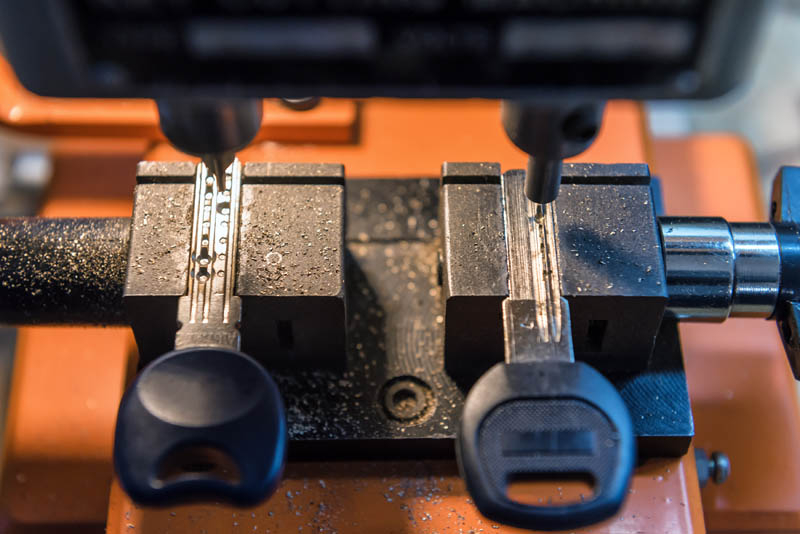
When a key stops working properly, most people immediately blame the key. They think the key is worn, bent, copied badly, or no longer matching the lock. In many cases, this can be true. A damaged or poorly cut key can definitely cause problems. But sometimes the real issue is not the key at all. The problem may be inside the lock, the cylinder, the latch, or even the door alignment.
This is why many people make the mistake of getting another duplicate key again and again without solving the actual issue. A new key may work for a short time, but if the lock is worn, dirty, loose, or under pressure, the same problem will return. Understanding the difference between a key problem and a lock problem can save time, money, and stress.
Before searching for a key shop near me, it is useful to check a few signs that may show the lock is the real cause.
Why People Blame the Key First
Keys are easy to blame because they are visible. You can hold the key, inspect it, and compare it with another copy. If the key does not turn smoothly, it feels natural to assume the key is damaged.
People usually think the key is the problem when:
- The key is hard to turn
- The key gets stuck
- The key feels loose inside the lock
- The key works only after several attempts
- A duplicate key does not work properly
- The key looks old or worn
- The lock feels rough when using the key
Sometimes the key really is the issue. A key can bend, wear down, crack, or become inaccurate after being copied many times. However, if more than one key gives the same problem, the lock should be checked.
Test More Than One Key First
The easiest way to understand the issue is to test another key. If you have an original key and a spare key, try both carefully.
If one key works smoothly and another key does not, the faulty key may be the problem. It may be bent, worn, or copied incorrectly.
But if all keys feel rough, tight, or unreliable, the issue is probably not with the key. It may be the lock cylinder, latch, strike plate, or door alignment.
Check these points:
- Does the original key work better than the duplicate?
- Do all keys feel tight?
- Does the key enter smoothly but not turn?
- Does the lock work when the door is open?
- Does the problem happen only when the door is closed?
- Does the lock feel loose or shaky?
This simple test can help you decide whether you need a key copy, lock repair, lock adjustment, or a full lock replacement.
Sign 1: All Keys Are Hard to Turn
If every key is hard to turn, the key is probably not the main problem. A good key and a duplicate key should not both fail in the same way unless the issue is inside the lock.
This can happen because of:
- Worn lock cylinder
- Dust inside the keyway
- Dry internal parts
- Damaged pins or wafers
- Door alignment pressure
- Loose lock body
- Old or weak lock mechanism
In this case, making another duplicate key may not solve the issue. The lock should be inspected before the key breaks or the lock jams completely.
Sign 2: The Key Works When the Door Is Open but Not Closed
This is one of the clearest signs that the lock problem may actually be caused by the door alignment.
Open the door and turn the key. If the key turns smoothly while the door is open, then close the door and try again. If the key becomes hard to turn only when the door is closed, the latch or bolt may not be lining up correctly with the strike plate.
This can happen because of:
- Loose hinges
- Door frame movement
- Door sagging
- Strike plate misalignment
- Latch pressure
- Heat expansion
- Poor previous lock fitting
When the door is closed, the lock may be under pressure. The key has to fight against that pressure, which makes it feel like the key is faulty. But the real problem is the door or lock alignment.
A duplicate key will not fix this. The door, latch, frame, or strike plate needs adjustment.
Sign 3: The Key Gets Stuck Inside the Lock
A key that gets stuck inside the lock should not be ignored. Even if you manage to remove it, the problem may come back.
A stuck key can happen because of:
- Bent key
- Worn key
- Dirty lock cylinder
- Damaged internal pins
- Poor duplicate key
- Misaligned lock
- Old lock mechanism
- Door pressure
If the key gets stuck once, be careful. If it happens again, stop forcing it. Pulling or twisting the key with force can break it inside the cylinder. A broken key can turn a small problem into an emergency lock repair.
If more than one key gets stuck, the lock is likely the problem.
Sign 4: The Lock Feels Rough or Gritty
A smooth lock should not feel rough, dry, or gritty. If the key makes scraping sounds or feels like it is rubbing against something inside, there may be dust, dirt, or internal wear inside the lock.
This is common in locks exposed to dust, heat, outdoor conditions, or heavy daily use. Over time, small particles can build up inside the cylinder and affect how the key moves.
Signs of a dirty or worn lock include:
- Key feels rough when inserted
- Lock makes grinding sounds
- Key needs several attempts
- Key does not enter fully
- Lock feels dry or stiff
- Duplicate keys stop working quickly
Many people try to fix this by adding oil. But using the wrong lubricant can attract more dust and make the problem worse. The lock may need proper cleaning or servicing.
Sign 5: The Lock Cylinder Feels Loose
If the cylinder moves when you insert or turn the key, the lock may be loose or damaged. A loose cylinder can make even a good key feel unreliable.
Signs of a loose lock include:
- Cylinder moves during use
- Handle feels shaky
- Lock plate shifts
- Screws keep loosening
- Key turns unevenly
- Door does not feel secure
A loose lock is not only inconvenient. It can also affect security. If the lock body is not sitting properly, the internal mechanism may not work smoothly. Tightening may help in some cases, but if parts are worn or damaged, repair or replacement may be needed.
Sign 6: The Key Turns but the Door Does Not Open
If the key turns but the door does not open, the problem is usually not with the key blade. The issue may be with the latch, bolt, handle, spindle, or internal lock mechanism.
Possible causes include:
- Broken latch
- Damaged lock body
- Loose handle connection
- Failed internal mechanism
- Misaligned bolt
- Broken spindle
- Door pressure
- Old lock wear
A key shop cannot solve this by making a new copy. This type of issue usually needs lock repair or lock replacement. If the key turns normally but the door stays locked, the lock mechanism should be checked quickly.
Sign 7: The Key Works Only After Several Attempts
If you need to try again and again before the lock opens, something is not right. A working key should not need tricks.
This problem may happen when:
- Internal lock pins are worn
- The key is slightly worn
- The duplicate key is inaccurate
- The cylinder is dirty
- The door is putting pressure on the latch
- The lock is old and unreliable
If only one key has this issue, the key may be the cause. But if all keys need multiple attempts, the lock is more likely the problem.
Using the lock in this condition every day can make the issue worse. The key may eventually bend or break.
Sign 8: The Door Needs Extra Pressure to Lock
If you need to push, pull, lift, or press the door to lock it, the issue is usually not the key. The door and lock are not sitting correctly.
This is often caused by:
- Door sagging
- Loose hinges
- Frame movement
- Strike plate misalignment
- Latch not entering properly
- Swelling or expansion of door material
- Poor lock installation
When the latch and strike plate do not align, the lock becomes harder to operate. The key feels tight because it is working against pressure.
This should be fixed early because daily force can damage the lock, key, handle, latch, and door frame.
Sign 9: A New Duplicate Key Also Does Not Work
If you recently made a duplicate key and it still does not work smoothly, there are two possibilities. The new key may have been copied badly, or the lock may already have a problem.
A poor duplicate key may:
- Feel rough
- Not enter fully
- Turn only with force
- Work on one side but not the other
- Get stuck
- Damage the lock over time
However, if the original key also feels bad, the lock may be the real cause. Before making another copy, inspect the lock and test the key with the door open and closed.
If you are going to a key shop near me, take the best original key with you. Do not copy from an old, worn, or already duplicated key if possible.
Sign 10: The Lock Makes Grinding or Clicking Sounds
A lock should operate quietly and smoothly. Grinding, scraping, or unusual clicking sounds may mean internal wear, dust buildup, or misalignment.
This can happen when:
- Internal parts are dry
- Dust is inside the cylinder
- The latch is rubbing
- The key is damaged
- The lock is old
- The door is not aligned
- The mechanism is under pressure
Sounds are warning signs. If the lock keeps making noise, do not keep forcing it. It may need cleaning, adjustment, or replacement.
When the Key Is Actually the Problem
Not every issue is caused by the lock. Sometimes the key really is damaged or inaccurate.
The key may be the problem if:
- Only one key does not work
- The key is bent
- The key is cracked
- The key edges look rounded
- The key is newly copied
- The key feels different from the original
- The key works in one lock but not another
- The key needs to be lifted to turn
If the key is the issue, a proper duplicate may solve the problem. But the duplicate should be made from a clean and accurate original key. If the original key is badly worn, copying it may copy the same problem.
Why Copying a Worn Key Can Make Things Worse
Many people keep using the same key for years. Over time, the edges wear down. When a worn key is copied, the new duplicate may not match the lock correctly.
This can create problems such as:
- Rough turning
- Key getting stuck
- Lock pins not lifting properly
- Duplicate working only sometimes
- Extra pressure on the cylinder
- Faster lock wear
The best time to make a spare key is before the original becomes badly worn. If the original key is already weak or damaged, the lock may need to be inspected before making a new copy.
Lost Keys May Need More Than a Copy
If you lose a key but still have one spare, you may think making another copy is enough. For convenience, that may help. But for security, it may not be enough.
If the lost key could be found or used by someone else, the safer option may be rekeying or changing the lock.
This is especially important for:
- Main doors
- Apartments
- Villas
- Offices
- Shops
- Rental properties
- Storage rooms
- Staff rooms
A lost key is not only a missing item. It can also be an access risk.
Moving Into a New Property
When moving into a new apartment, villa, office, or shop, many people simply make extra copies of the existing key. But the real question is: who else has old copies?
Previous tenants, agents, cleaners, maintenance workers, contractors, or staff may still have keys. If the access history is unclear, making more copies of the same key does not improve security.
In this situation, rekeying or changing the lock may be better than only visiting a key shop.
Office and Staff Access Issues
In offices, key problems are often access control problems. Too many employees may have copies. Some keys may not be returned when staff leave. Storage rooms, staff areas, and main entrances may need better control.
Office locks should be reviewed when:
- Employees leave
- Keys are lost
- Too many copies exist
- Sensitive rooms need protection
- Cleaning staff changes
- Main entrance keys are shared widely
In these cases, key duplication alone may not solve the real issue. Rekeying, lock changes, or smart access solutions may be better.
What to Check Before Getting a Key Copied
Before getting another key made, check the following:
- Does another key work smoothly?
- Does the key work when the door is open?
- Does the problem happen only when the door is closed?
- Is the key bent or worn?
- Does the lock feel loose?
- Does the door need force to close?
- Does the key get stuck?
- Does the lock make grinding sounds?
- Is the original key good enough to copy?
These checks can help you avoid wasting money on a duplicate that will not solve the problem.
When a Key Shop Is Enough
A key shop may be enough when:
- You need a spare key
- The original key is in good condition
- The lock works smoothly
- Only one duplicate key is faulty
- You need a simple house key copy
- The key is not restricted or high-security
- The lock has no stiffness or alignment issues
In these cases, key duplication is practical and useful.
When You Need Lock Repair Instead
Lock repair may be needed when:
- All keys are hard to turn
- The key gets stuck often
- The lock feels loose
- The door needs force to lock
- The key turns but door does not open
- The cylinder feels rough
- The lock makes grinding sounds
- The lock works only when the door is open
- The key broke inside the lock
If these signs are present, a duplicate key will not fix the root cause.
How to Prevent Future Key and Lock Problems
You can avoid many problems with simple habits:
- Make spare keys before the original wears out
- Do not use bent keys
- Avoid forcing tight locks
- Test duplicate keys immediately
- Keep keys clean
- Fix door alignment early
- Do not ignore loose locks
- Replace unreliable locks before failure
- Rekey locks when access history is unclear
- Avoid copying badly worn keys
Small issues should be fixed early before they turn into lockouts.
Final Thoughts
A key problem is not always a key problem. Sometimes the real issue is inside the lock, the cylinder, the latch, or the door alignment. If only one key fails, the key may be damaged. But if all keys feel tight, the lock gets stuck, the door needs pressure, or the lock works only when the door is open, the lock is likely the real problem.
Before searching for a key shop near me, test your spare key, check the door alignment, and notice how the lock behaves. If the issue points to the lock, repairing or adjusting it early can prevent broken keys, jammed locks, and emergency lockouts.
A good key should work smoothly. If it does not, the smartest step is to find out whether you need a new key, lock repair, rekeying, or full lock replacement.