You should not let your baby use a pillow before age 1. Most experts say to wait until your child is 18-24 months old or has moved to a toddler bed. Watch for signs like your child resting their head on stuffed animals. Your child may ask for a pillow or seem uncomfortable lying flat. Nursing pillows are for feeding, but baby sleep pillows are for sleeping. Always follow safe sleep rules and talk to your pediatrician if you are not sure.
Key Takeaways
-
Do not give your baby a pillow before they turn 1 year old. Most experts say to wait until your child is 18 to 24 months old.
-
Watch for signs your child is ready, like asking for a pillow. Your child may also seem uncomfortable sleeping flat.
-
Pick a pillow that is small, firm, and lets air pass through. Make sure it is made for toddlers so it is safe and comfy.
-
Keep your child's bed clear of soft things like blankets and stuffed animals. This helps lower the chance of suffocation.
-
Talk to your pediatrician if you worry about your child using a pillow. Ask them if your child's sleep is safe.
When Can Babies Sleep With a Pillow?
Age Recommendations
You might wonder when can babies sleep with a pillow. Experts agree that you should not give your baby a pillow before their first birthday. The American Academy of Pediatrics and other health organizations recommend waiting until your child is at least 18 months old. Many parents wait until their child moves to a toddler bed, which often happens between 18 months and 3 years. At this stage, most children have better head and neck control, which lowers the risk of suffocation.
Here is a quick look at official age recommendations:
| Age Recommendation | Details |
|---|---|
| Under 1 year | Babies should NOT sleep with a pillow. |
| After 1 year | Kids don’t need a pillow until well after their first birthday! |
Most children reach important milestones before using a pillow. These include:
-
Improved head and neck control by 18 months
-
Ability to roll over and move away from objects
-
Transition from crib to toddler bed, usually between 18 months and 3 years
You should always watch for signs of readiness and talk to your pediatrician if you are unsure.
Why Early Use Is Unsafe
Many parents ask when can babies sleep with a pillow, but early use can be dangerous. Babies have small airways and weak neck muscles. If a pillow covers their nose or mouth, they may not be able to move away. This can lead to suffocation or sudden infant death syndrome (SIDS).
Soft items like pillows and blankets can block your baby's airway. Even if you feel your baby looks uncomfortable, it is safer to wait. Studies show that most sleep-related infant deaths linked to pillows happen in babies under 4 months old.
Here is a table showing the main risks of early pillow use:
| Risk Type | Description |
|---|---|
| Suffocation | Pillows pose a suffocation risk as infants cannot move their heads, potentially blocking their airway. |
| Overheating | Pillows can trap heat, increasing the risk of overheating, which is linked to SIDS. |
| Climbing and Fall Risks | Pillows may assist toddlers in climbing out of cribs, leading to potential falls and injuries. |
You can see from recent data that sleep-related deaths often involve nursing pillows used incorrectly. The table below shows statistics from 2013 to 2022:
| Statistic Description | Value |
|---|---|
| Total SUID cases reviewed (2013-2022) | 1,685 |
| Cases with nursing pillow in sleep space | 90 (5.3%) |
| Percentage of deaths in infants aged <4 months | 86% |
| Nursing pillow placement under infant | 69.0% |
| Nursing pillow placement next to infant | 16.7% |
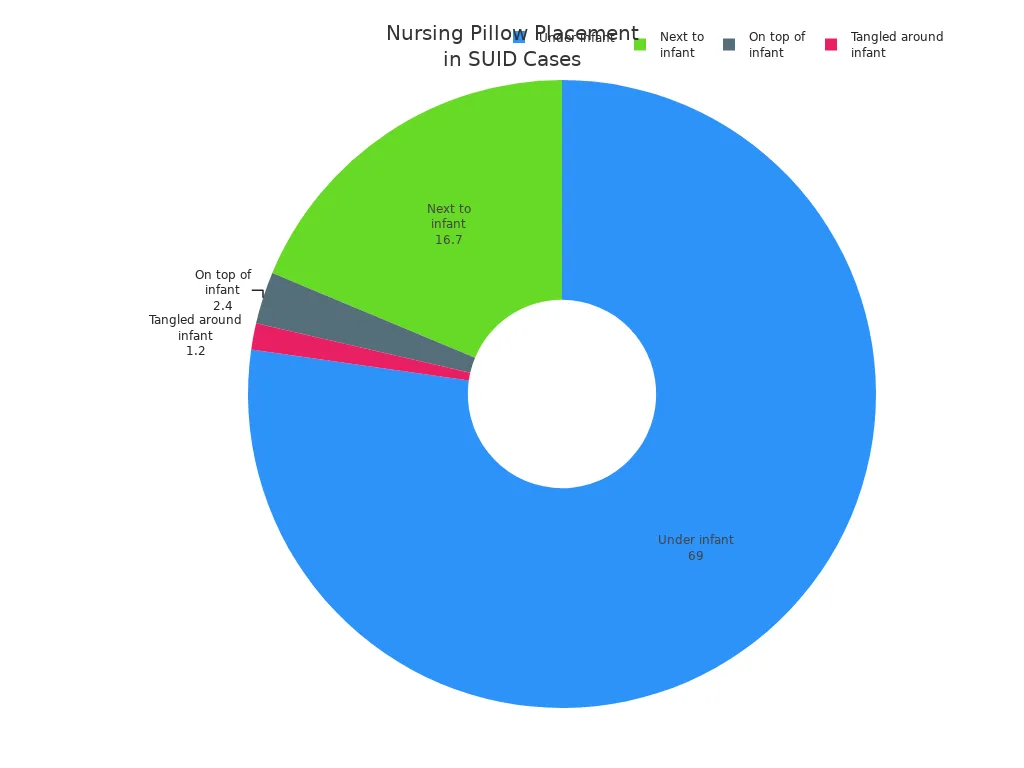
Note: Nursing pillows are for feeding and support during awake times. Never use a nursing pillow for sleep. Always remove it from your baby's sleep area.
When can babies sleep with a pillow? The safest answer is after your child turns 18 months and shows signs of readiness. Always keep your baby's sleep space clear of soft items until then. This simple step can help protect your child from serious risks.
Signs Your Baby Is Ready
You may wonder how to tell if your child is ready for a pillow. Pediatricians recommend looking for clear signs of readiness. Every child develops at their own pace, so you should focus on your child’s needs and abilities. Safety always comes first.
Outgrowing the Crib
Children often outgrow their crib between 18 months and 3 years. This transition marks a big step in their sleep routine. You can see the typical age range for moving from a crib to a toddler bed in the table below:
| Source | Age Range for Transitioning | Notes |
|---|---|---|
| Good Night Sleep Site | 18 months to 3 years | Safe to introduce a pillow after transitioning. |
| Swim Right Academy | 18 months to 3 years | Transition often prompted by climbing out. |
| Happiest Baby | May not be until 3 years | Pillows can pose risks for toddlers. |
| Happy Mattis Store | 18 months to 2 years | More stable and mobile, safer for pillow use. |
Experts recommend avoiding pillows in cribs due to suffocation risks. Wait until your child transitions to a bed before considering a pillow.
Sleeping in a Toddler Bed
Moving to a toddler bed shows your child is ready for a new sleep environment. This change means your child has more space and freedom to move. The transition usually happens between 18 months and 3 years. Once your child sleeps in a toddler bed, you can start thinking about introducing a pillow for comfort and support.
The transition from a crib to a toddler bed is crucial. It signals readiness for a pillow, which can enhance comfort and safety in a larger sleep space.
Discomfort Without Head Support
You may notice your child seems uncomfortable lying flat. Signs include tossing and turning or trying to prop their head up with toys or blankets. These behaviors suggest your child may need extra support for their head and neck.
Interest in Using a Pillow
Children often show interest in pillows before they are ready. Look for these signs:
-
Your child rests their head on pillow-like objects.
-
Your child asks for a pillow directly.
-
Your child shows discomfort while sleeping.
-
Your child transitions to a toddler or big kid bed.
-
Pediatricians recommend introducing a pillow only after your child turns one year old. They also check muscle strength and coordination to ensure safe pillow use.
Children under 2 years old should not have pillows in their cribs. Once your child transitions to a bed, the risk decreases significantly.
You should always watch your child closely. Readiness is individual, and safety matters most. If you have doubts, talk to your pediatrician for guidance.
Baby Sleep Pillows Safety
Suffocation and SIDS Risks
Safety is the most important thing with baby sleep pillows. Soft or cushioned places like sofas and armchairs are risky. Soft bedding, such as pillows and blankets, can also be dangerous. Sheepskins, bumper pads, and positioners add to the risk. Bed sharing makes these dangers worse.
Pillows can make babies too hot. Babies cannot control their body heat like adults. If your child’s face is near a pillow, heat can build up. This can make overheating more likely, which is linked to SIDS. In 1992, the Consumer Product Safety Commission banned infant pillows for kids under one. These items were found to be unsafe in baby sleep spaces.
Choosing the Right Pillow
When you want to use baby sleep pillows, look for certain things. The best pillow for kids is small, firm, and lets air pass through. A baby pillow should fit your child’s head and neck. It should not be too thick or soft. Do not use large, fluffy, or loose bedding. These can cover your child’s face.
Check for safety labels before you buy a pillow. Here are some trusted certifications:
| Certification Name | Description |
|---|---|
| CertiPUR-US | Shows foam does not have harmful chemicals or heavy metals. |
| GREENGUARD Gold | Checks for low chemical emissions and strict VOC rules. |
| Global Organic Textile Standard (GOTS) | Proves textiles are made with organic rules and fair worker treatment. |
| OEKO-TEX | Tests for 100 risky substances to make sure products are safe. |
The best pillow for kids will have one or more of these labels. Always read the label and pick products made for young children.
Monitoring After Introduction
After you add baby sleep pillows, watch your child closely. Start with short naps before using the pillow all night. Look for signs your child is not comfortable. Watch for allergies or changes in sleep. Take away the pillow if your child seems restless or has trouble breathing.
Tip: Keep toys, extra blankets, and other soft things out of the sleep area. This lowers the risk of suffocation and keeps your child safe.
If you worry about anything, talk to your pediatrician. Every child is different, so pay attention and make changes if needed.
How to Introduce a Pillow

Setting Up the Sleep Space
You want your child to feel comfortable and safe when you start introducing a pillow safely. Begin by checking if your child is ready. Most children show readiness between 18 months and 2 years, often after moving to a toddler bed. Choose a small, firm pillow made from breathable materials. This helps reduce the risk of suffocation.
Follow these steps for introducing a pillow safely:
-
Assess your child’s readiness before adding a pillow.
-
Pick a pillow that fits your child’s age and development.
-
Place the pillow in your child’s bed, not in a crib.
-
Remove loose blankets, stuffed animals, and other soft items from the sleep area.
-
Make sure the pillow fits snugly and does not leave gaps.
-
Keep the room cool and dimly lit to help your child relax.
-
Try using a white noise machine or bedtime story player for a calm atmosphere.
Tip: Start with naps before using the pillow overnight. This lets you see how your child reacts.
A cozy blanket or nightlight can make the transition to pillows easier. Check the pillow often for signs of wear and replace it if needed.
Watching for Problems
After you add a pillow, watch your child closely for any problems. Some children may show signs of discomfort or allergies. Look for these warning signs:
-
Itching or hives, especially on the face or neck
-
Nasal congestion or watery, red eyes
-
Swelling of the face, eyes, or tongue
-
Coughing, wheezing, or high-pitched breathing
-
Trouble breathing or swallowing
-
Rashes or flushing of the face
-
Vomiting, diarrhea, or stomach pain
-
Dizziness or anxiety
-
Chest pain or palpitations
You may also notice changes in your child’s sleep. Restless sleep, frequent movement, or the pillow not staying in place are common. If your child seems uncomfortable or has trouble sleeping, remove the pillow and try again later.
Note: Always talk to your pediatrician if you see any signs of allergies or breathing problems.
Stay patient during the transition to pillows. Every child adapts at their own pace. Your attention helps keep your child safe and comfortable.
You should wait until your child is at least 1 year old before thinking about a pillow. Most experts suggest waiting until 18–24 months, especially when your child moves to a toddler bed.
-
Watch for signs of readiness, like your child asking for a pillow or showing discomfort.
-
Always choose a small, firm, and breathable pillow made for toddlers.
-
Talk to your pediatrician if you have questions.
Every child is unique. Take your time and focus on safety rather than rushing the transition.
FAQ
When should you introduce a pillow to your toddler?
You should introduce a pillow after your child turns 18 months and moves to a toddler bed. Always check for signs of readiness and talk to your pediatrician if you feel unsure.
What type of pillow is safest for toddlers?
Choose a small, firm, and breathable pillow. Look for safety certifications like OEKO-TEX® or CertiPUR-US. Avoid large, soft, or fluffy pillows.
Can you use a nursing pillow for your baby to sleep?
No, you should not use a nursing pillow for sleep. Nursing pillows are for feeding and support during awake times only.
What signs show your child needs a pillow?
-
Your child asks for a pillow.
-
Your child rests their head on toys or blankets.
-
Your child seems uncomfortable lying flat.
How do you clean a toddler pillow?
Check the care label. Most toddler pillows have removable, washable covers. Wash the cover regularly and air out the pillow to keep it fresh.
https://www.liangliangbaby.com/when-can-babies-use-baby-sleep-pillows-signs-of-readiness.html