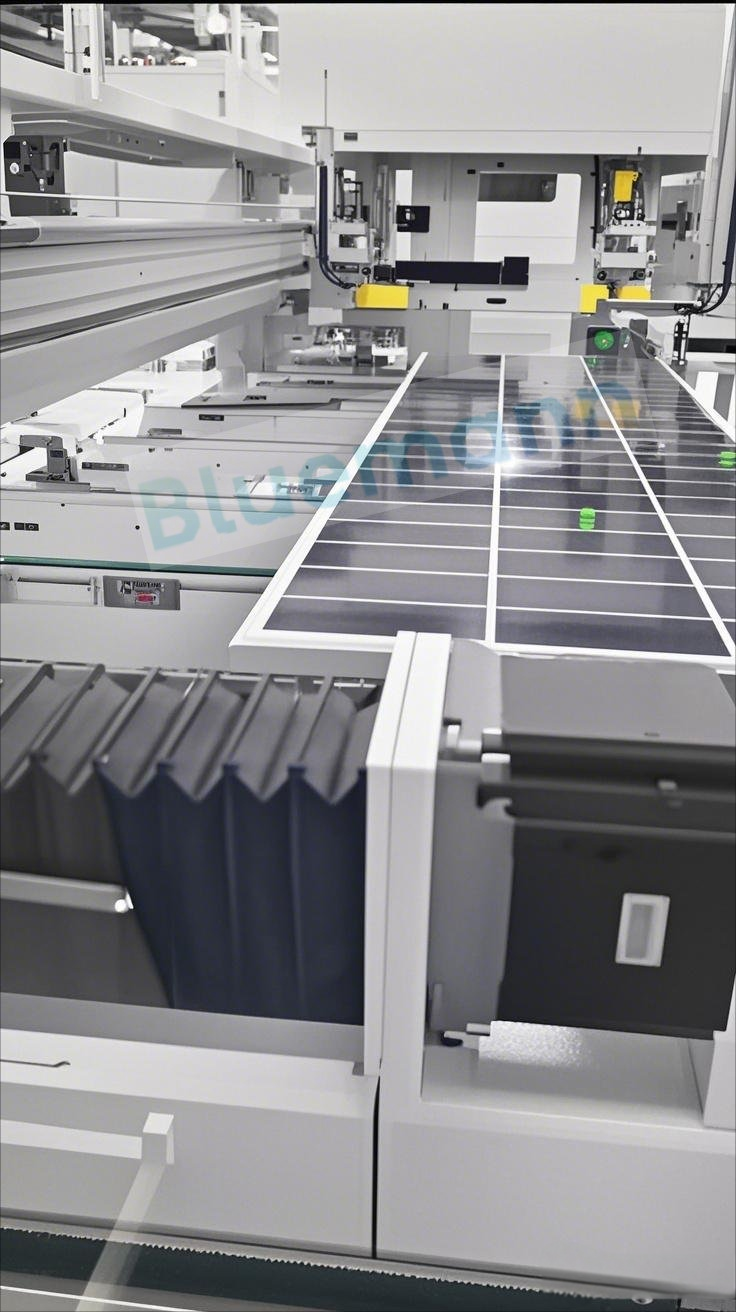
When discussing efficiency improvements in glass manufacturing, most conversations focus on cutting, edging, tempering, coating, or inspection technologies. However, one production step that often receives far less attention can have a surprisingly large impact on productivity: protective tape removal.
As glass products become more sophisticated and production volumes continue to increase, manufacturers are discovering that manual tape removal is no longer the most efficient option. In industries such as consumer electronics glass, automotive display glass, architectural glass, and smart glass, even small inefficiencies can accumulate into significant production costs.
This is why automated tape peeling solutions are attracting growing attention across the glass processing industry.
The Hidden Bottleneck in Glass Processing
Protective films and tapes play an important role throughout glass manufacturing. They help prevent scratches, contamination, and handling damage during production and transportation.
The challenge comes when those tapes need to be removed.
In many factories, this process is still partially or fully manual. Operators must locate tape edges, peel them away carefully, and collect waste materials. While the task may appear simple, it often creates several operational challenges:
- Inconsistent peeling quality
- Surface contamination risks
- Labor-intensive operation
- Production interruptions caused by tape breakage
- Higher labor costs
- Reduced line efficiency
For high-volume production facilities, these issues can gradually become a significant bottleneck.
Why Automation Is Becoming the Preferred Solution
Manufacturers today are looking for ways to increase throughput without sacrificing product quality.
Automating the tape removal process offers several advantages:
Consistent Processing Quality
Unlike manual operations, automated systems apply controlled peeling force throughout the entire process. This reduces variation between products and minimizes the risk of surface damage.
Reduced Dependence on Labor
As labor costs continue to rise globally, manufacturers are increasingly investing in automation to maintain competitiveness.
Tape peeling automation allows operators to focus on higher-value production tasks while the machine performs repetitive work with consistent accuracy.
Improved Production Flow
Continuous operation helps eliminate unnecessary stops and delays, allowing glass products to move more efficiently through the production line.
Key Technologies Behind Modern Tape Peeling Machines
Today's double glass tape peeling machines are far more advanced than simple mechanical peeling devices.
Several technologies contribute to their performance.
Four-Side Alignment Systems
Positioning accuracy is essential for reliable tape removal.
Modern machines automatically align glass panels before processing, ensuring that the tape removal mechanism engages at the correct position every time.
This becomes especially important when handling high-value glass products where precision directly affects yield.
Servo-Controlled Motion
Servo technology has become a standard feature in advanced glass processing equipment.
Compared with traditional mechanical systems, servo control provides:
- Faster response
- More precise positioning
- Better repeatability
- Greater operational stability
This allows manufacturers to process different glass sizes and specifications with minimal adjustment.
Vacuum-Assisted Tape Handling
One of the most effective innovations in tape removal technology is vacuum-assisted tape handling.
By securely gripping and controlling the tape throughout the peeling cycle, the system helps ensure smooth removal while reducing the likelihood of tape breakage.
The result is a more reliable and stable process, particularly during continuous production.
The Importance of Servo Torque Control
A common issue during tape removal is inconsistent peeling force.
If the force is too low, the tape may not separate properly. If the force becomes excessive, tape breakage can occur, forcing operators to intervene.
Modern machines address this challenge through intelligent servo torque control.
The system continuously monitors resistance and automatically adjusts peeling force in real time.
For manufacturers, this provides several practical benefits:
- More stable tape removal
- Fewer production interruptions
- Less manual intervention
- Improved operational consistency
- Higher overall efficiency
In many cases, this technology alone can significantly improve production reliability.
Clean Production Matters Too
Another advantage that is often overlooked is waste management.
When tape is removed manually, waste material can quickly accumulate around the production area, creating housekeeping challenges and reducing workplace efficiency.
Automated systems solve this problem by collecting and winding waste tape automatically during operation.
This creates a cleaner production environment and reduces the workload associated with post-production cleanup.
For facilities focused on lean manufacturing principles, even small improvements in workplace organization can generate meaningful productivity gains.
Industries Benefiting from Automated Tape Removal
The application range for double glass tape peeling machines continues to expand.
Consumer Electronics
Smartphone glass, tablet displays, wearable device screens, and other electronic products require extremely high surface quality standards.
Automated tape removal helps maintain consistency while reducing contamination risks.
Automotive Glass
Modern vehicles increasingly incorporate digital displays and specialty glass components.
Manufacturers need reliable processing methods capable of supporting strict quality requirements.
Architectural Glass
Large-volume architectural glass production benefits from automation that supports continuous operation and higher throughput.
Smart Glass and Functional Glass Products
As advanced glass technologies continue to evolve, manufacturers require increasingly precise and stable production processes.
Automated tape peeling supports these requirements by providing repeatable and controlled processing.
Looking Ahead
The trend toward intelligent manufacturing is reshaping every aspect of glass production.
Processes that were once considered secondary are now being evaluated for their impact on efficiency, product quality, and operating costs.
Tape removal may seem like a small step within the overall production process, but its influence on productivity is often underestimated.
By combining servo-driven motion control, intelligent alignment systems, vacuum-assisted tape handling, and automatic waste collection, modern tape peeling equipment helps manufacturers achieve a more streamlined and efficient workflow.
Companies such as Bluemann are contributing to this transformation by developing automation solutions designed specifically for the evolving needs of the glass processing industry.
As manufacturers continue pursuing higher productivity and smarter production environments, automated tape peeling technology is likely to become a standard feature in modern glass manufacturing facilities rather than an optional upgrade.
https://www.bluemannsolar.com/the-power-of-double-glass-tape-peeling-machines.html