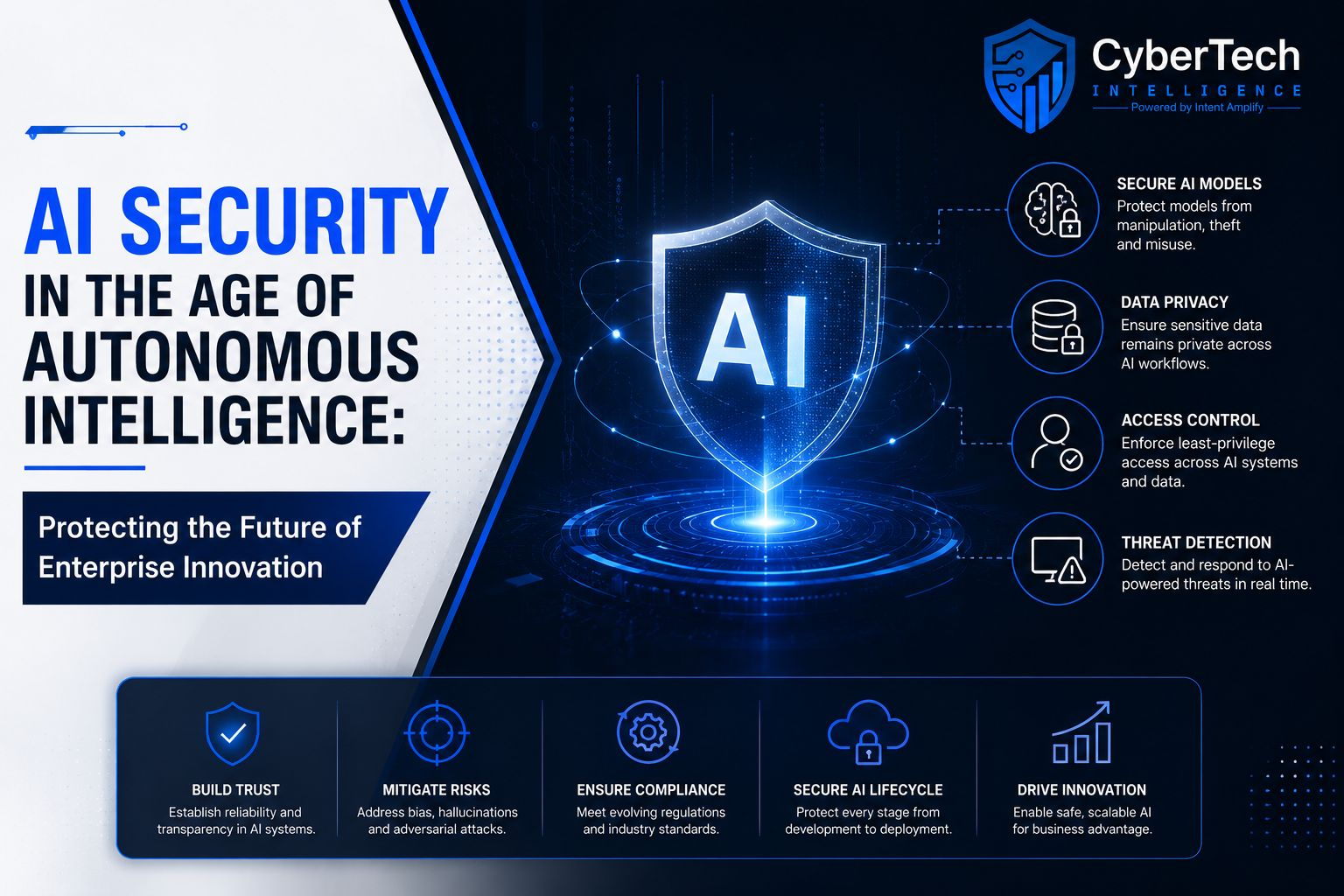
Artificial Intelligence is rapidly becoming the backbone of modern business operations. From predictive analytics and customer experience personalization to cybersecurity automation and autonomous decision-making, AI is transforming how organizations operate at scale. However, as AI adoption accelerates, so do the security risks associated with these intelligent systems.
Organizations are no longer just protecting networks, endpoints, and applications - they must now secure AI models, training data, algorithms, and decision-making processes. This growing challenge has given rise to a new discipline: AI Security.
As enterprises increasingly rely on machine learning and generative AI technologies, understanding AI security best practices has become critical for maintaining trust, compliance, and operational resilience.
Why AI Security Has Become a Business Priority
AI systems process massive volumes of sensitive information and often make recommendations or decisions that directly impact business outcomes. If these systems are compromised, manipulated, or exploited, the consequences can be severe.
Common AI-related risks include:
- Data poisoning attacks
- Model manipulation
- Prompt injection attacks
- Adversarial machine learning
- Unauthorized model access
- Intellectual property theft
- AI-driven cyberattacks
Unlike traditional software systems, AI continuously evolves based on training data and user interactions. This dynamic nature creates unique security challenges that conventional cybersecurity controls may not adequately address.
Understanding the Modern AI Threat Landscape
As organizations deploy AI-powered solutions, cybercriminals are developing increasingly sophisticated methods to exploit them.
Data Poisoning
Attackers may intentionally introduce malicious or misleading data into training datasets. This can cause AI models to produce inaccurate predictions, biased outputs, or manipulated recommendations.
Adversarial Attacks
Cybercriminals can subtly alter inputs to deceive AI systems into making incorrect decisions without obvious signs of compromise.
Examples include:
- Manipulated images
- Fraudulent transactions
- Altered customer behavior data
These attacks challenge the reliability and trustworthiness of AI systems.
Model Theft and Exposure
AI models often represent significant intellectual property investments.
Without proper controls, threat actors may:
- Reverse engineer models
- Steal proprietary algorithms
- Extract sensitive business logic.
Protecting AI assets is becoming as important as protecting customer data.
Key Components of an Effective AI Security Strategy
Organizations seeking to secure AI deployments should adopt a comprehensive approach.
Secure the Data Lifecycle
AI systems depend heavily on data quality and integrity.
Security teams should implement:
- Data validation controls
- Encryption mechanisms
- Access restrictions
- Data governance frameworks
Maintaining trustworthy datasets significantly reduces the risk of compromised model performance.
Implement AI Governance
Strong governance establishes accountability across the AI lifecycle.
Organizations should define:
- Acceptable AI use policies
- Model approval processes
- Risk assessment frameworks
- Regulatory compliance standards
Governance helps ensure AI systems operate ethically, securely, and transparently.
Continuous Monitoring and Threat Detection
AI environments require ongoing visibility.
Security teams should monitor:
- Model behavior anomalies
- Unusual data access patterns
- Unexpected output variations
- Unauthorized system interactions
Continuous monitoring enables early threat detection and rapid incident response.
The Role of AI Security in Cyber Resilience
AI security is no longer a niche concern - it is becoming a core component of enterprise cyber resilience.
Organizations that proactively secure AI systems gain advantages such as:
- Improved regulatory compliance
- Reduced operational risk
- Enhanced customer trust
- Stronger intellectual property protection
- Greater confidence in AI-driven decisions
As AI becomes more deeply integrated into critical business functions, security must evolve alongside innovation.
For organizations evaluating comprehensive AI Security strategies, understanding the evolving threat landscape and implementing proactive safeguards can significantly strengthen long-term cyber resilience.
Future Trends in AI Security
The next generation of AI security will focus on:
- AI model integrity verification
- Explainable AI security controls
- Autonomous threat detection
- Secure AI development frameworks
- Regulatory oversight and governance
Organizations that invest in AI security today will be better prepared for tomorrow's increasingly intelligent threat environment.
Final Thoughts
Artificial intelligence presents extraordinary opportunities for innovation, efficiency, and competitive advantage. However, without proper security controls, AI can also introduce significant business risks.
By implementing strong governance, securing data pipelines, monitoring model behavior, and adopting a proactive security mindset, organizations can safely harness the power of AI while protecting critical assets and maintaining stakeholder trust.