As the global demand for lithium-ion batteries continues to grow across electric vehicles (EVs), energy storage systems (ESS), consumer electronics, and industrial power applications, battery safety has become one of the most critical aspects of product development and quality assurance.
Among the various battery safety evaluation methods, short circuit testing remains one of the most important procedures for assessing a battery's behavior under fault conditions. Because short circuits can trigger rapid current discharge, excessive heat generation, and even thermal runaway, manufacturers must conduct rigorous testing before products enter the market.
To meet increasingly strict safety requirements and improve testing efficiency, many laboratories and battery manufacturers are replacing traditional manual test setups with advanced Automatic Short Circuit Test Machines.
As a provider of intelligent battery testing solutions, Nexa Battery Technology focuses on developing automated systems that help improve testing consistency, laboratory safety, and overall operational efficiency.
Understanding the Role of Automatic Short Circuit Testing
A short circuit test is designed to simulate abnormal electrical conditions that may occur during a battery's service life. These tests help engineers evaluate how cells, modules, or battery packs respond when an unintended low-resistance path allows excessive current flow.
The purpose is not simply to observe failure but to understand critical safety characteristics such as:
- Thermal stability
- Current discharge behavior
- Internal resistance response
- Structural integrity under fault conditions
- Potential thermal runaway risks
Traditional testing methods often rely heavily on manual operation, which can introduce inconsistencies and increase safety risks. Automated systems address these challenges by providing standardized and repeatable testing environments.
What Is an Automatic Short Circuit Test Machine?
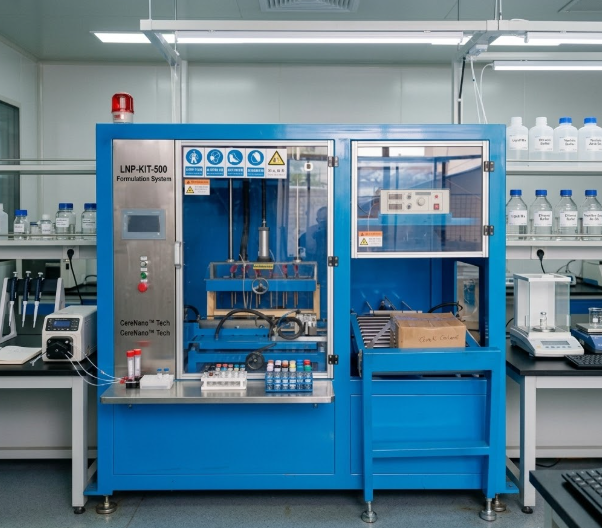
An Automatic Short Circuit Test Machine is a computer-controlled testing platform designed to perform battery short circuit evaluations with minimal human intervention.
Unlike conventional manual setups, the system manages the entire testing process automatically, ensuring precise control over test parameters while reducing operator exposure to potentially hazardous conditions.
Typical system functions include:
- Automated sample loading
- Precision positioning and fixture alignment
- Controlled short circuit execution
- Real-time monitoring
- Automated sample separation and unloading
- Data acquisition and reporting
By integrating mechanical automation with intelligent control software, these systems significantly improve both safety and testing accuracy.
The Benefits of Fully Automated Testing Workflows
One of the key advantages of modern short circuit testing equipment is complete process automation.
A typical testing cycle may include:
Automatic Battery Loading
The system transfers test samples into the testing chamber without manual handling.
Precision Positioning
Integrated positioning mechanisms ensure that every battery is placed accurately and consistently before testing begins.
Controlled Short Circuit Execution
Computer-controlled circuits initiate and maintain predefined testing conditions according to laboratory requirements.
Post-Test Processing
After testing, the system automatically separates and removes tested samples, preparing the station for the next cycle.
This automated workflow helps laboratories increase throughput while reducing human error.
Why Automation Matters in Battery Safety Testing
Battery short circuit testing inherently involves high-risk conditions.
During a fault simulation, batteries may experience:
- Rapid temperature increases
- Extremely high current discharge
- Internal pressure buildup
- Gas generation
- Mechanical deformation
- Thermal runaway events
In manual environments, operators may be exposed to potential hazards during setup and testing.
Automation provides several important advantages:
Enhanced Operator Safety
By reducing direct human interaction during testing, laboratories can minimize workplace risks.
Improved Test Consistency
Automated systems maintain identical testing conditions from one cycle to the next, improving result reliability.
Reduced Human Error
Computer-controlled workflows eliminate many common operational inconsistencies associated with manual procedures.
Better Compliance
Automated testing platforms help organizations meet increasingly strict industry safety and certification requirements.
Key Applications Across the Battery Industry
Electric Vehicle Battery Development
EV manufacturers rely heavily on short circuit testing to evaluate battery performance under extreme fault conditions.
Testing helps determine:
- Thermal stability limits
- Safety margins
- Failure mechanisms
- Pack-level protection effectiveness
Energy Storage Systems (ESS)
Large-scale energy storage installations require rigorous safety validation due to the high energy density involved.
Automatic short circuit testing supports:
- Module reliability assessment
- Fault tolerance evaluation
- Safety certification preparation
Consumer Electronics
Smartphones, laptops, tablets, and wearable devices all depend on safe battery operation.
Manufacturers use automated testing systems to verify compliance with international safety standards before product release.
Research and Development Laboratories
Battery researchers utilize automatic short circuit test equipment to investigate:
- New battery chemistries
- Advanced electrolyte systems
- Failure behavior mechanisms
- Thermal management strategies
Technical Advantages of Modern Automatic Short Circuit Test Machines
High-Precision Control Systems
Advanced control software ensures accurate and repeatable testing conditions throughout every cycle.
Integrated Mechanical Automation
The system coordinates:
- Loading mechanisms
- Fixture positioning
- Sample handling
- Automated unloading
creating a streamlined testing environment.
Real-Time Data Collection
Modern equipment continuously records critical parameters such as:
- Voltage behavior
- Current response
- Temperature changes
- Failure timing
This data provides valuable insights into battery safety performance.
Multi-Layer Safety Protection
Built-in protection systems typically include:
- Overcurrent protection
- Thermal monitoring
- Emergency shutdown functions
- Safety interlocks
These features help protect both personnel and equipment during testing.
The Growing Importance of Standardized Battery Testing
As battery technologies continue to evolve, regulatory agencies and OEM manufacturers are demanding higher levels of testing consistency and traceability.
Manual testing procedures can introduce variability through:
- Inconsistent timing
- Operator-dependent processes
- Fixture positioning differences
- Procedural deviations
Automated testing systems eliminate many of these variables, helping manufacturers achieve more reliable and reproducible results.
This is increasingly important for organizations seeking compliance with international testing standards and certification requirements.
How Nexa Battery Technology Supports Battery Safety Evaluation
Within the battery testing sector, Nexa Battery Technology develops advanced automated testing systems designed to meet the needs of modern battery manufacturers and research institutions.
The company's engineering approach focuses on:
- Fully automated testing workflows
- High-precision control systems
- Reliable mechanical automation
- Comprehensive safety protection architectures
- Scalable testing solutions for laboratory and production environments
By combining intelligent software with robust hardware design, Nexa Battery Technology helps customers improve testing efficiency while maintaining high standards of safety and data integrity.
Future Trends in Automated Battery Testing
The battery industry is moving rapidly toward digitalization and intelligent manufacturing.
Emerging trends include:
- AI-assisted test analysis
- Predictive failure modeling
- Remote monitoring platforms
- Smart laboratory integration
- Multi-sample simultaneous testing systems
As these technologies mature, automated short circuit testing equipment will play an increasingly important role in battery development and quality assurance programs.
Conclusion
Battery safety testing is no longer just a regulatory requirement—it has become a fundamental component of product reliability and market competitiveness.
Automatic Short Circuit Test Machines provide manufacturers and research institutions with a safer, more efficient, and more consistent approach to evaluating battery performance under fault conditions.
Through automated workflows, precise control systems, and advanced safety features, these platforms help accelerate product development while improving data quality and operational safety.
As the industry continues to evolve, solutions developed by Nexa Battery Technology are helping manufacturers build safer batteries and support the future growth of electric mobility, energy storage, and advanced energy technologies worldwide.
https://www.nexa-battery.com/advancing-battery-safety-with-short-circuit-test-systems.html