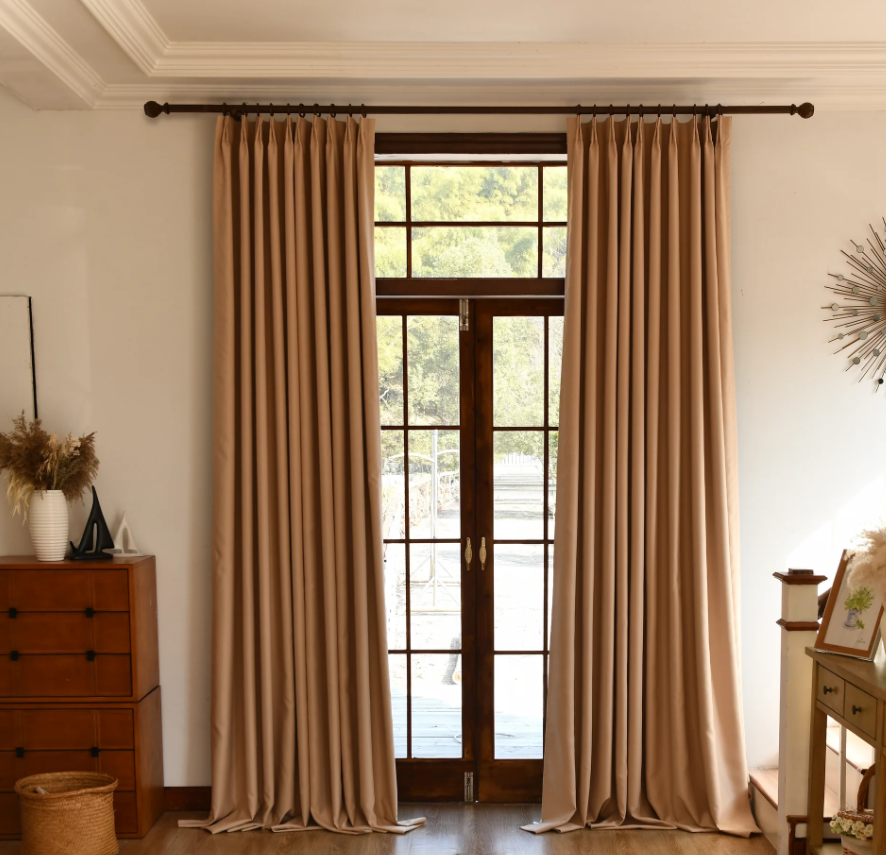
Custom Size Curtains Installation Tips: Avoid Common Mistakes
Installing custom size curtains is not complicated, but it does require attention to detail. Even small mistakes can affect how the curtains look and how well they work in daily use. A careful setup usually makes a bigger difference than most people expect.
Start with proper preparation
Before anything is installed, it’s worth checking the basics. Measure the window again to confirm accuracy, even if the curtains are custom-made. Small differences between measurement and installation can change the final result.
It also helps to look at the wall type. Drywall, concrete, and wood all need different anchors and tools. Skipping this step often leads to loose fittings or unstable brackets later on.
Choose the right support system
Curtains are only as good as the hardware holding them. Lightweight rods may work for simple setups, but custom curtains are often heavier and need stronger support.
Ceiling-mounted tracks are common in more modern spaces, while wall-mounted rods are still widely used. The main point is to match the system with the weight and style of the curtains so everything moves smoothly without strain.
Pay attention to mounting height
One of the most common issues is installing the rod too low. This can make the room feel shorter and less open. On the other hand, placing it too high without planning the curtain length can create awkward gaps or dragging fabric.
A balanced height usually helps the curtains fall naturally and improves the overall proportion of the room. In many homes, ceiling-mounted systems are used to create a cleaner vertical line.
Get the width right
Curtains should not only cover the window but extend slightly beyond it. If the rod is too short, light will leak in from the sides, even when the curtains are closed.
This small detail affects both privacy and light control. A bit of extra width on each side usually makes the setup more effective and visually balanced.
Check curtain length after installation
Even with custom sizing, final adjustments sometimes happen during installation. Floors are not always perfectly level, and small differences can affect how the curtain hangs.
Some people prefer curtains that lightly touch the floor, while others like a slight break. What matters most is consistency across all panels so the look stays clean and intentional.
Leave space for movement
Curtains need room to open and close freely. If they are installed without considering stack space, they may block part of the window or door even when fully open.
This is especially important for wide openings or sliding glass doors. Planning where the fabric gathers makes daily use much easier.
Don’t overlook hardware alignment
Uneven brackets are a small mistake that becomes very noticeable later. If one side is higher than the other, the curtain will not hang evenly.
Using a level during installation helps avoid this problem. It’s a simple step, but it has a clear impact on the final appearance.
Final adjustments matter
After everything is installed, it’s worth testing how the curtains move. They should glide smoothly without sticking or pulling. Folds should fall evenly, and there should be no visible tension on the rod or track.
Small corrections at this stage often make the whole setup feel more finished and stable.
Good installation is less about complexity and more about getting the basics right. When measurements are accurate, the hardware is suitable for the curtain weight, and everything is placed with care, the result is a setup that works smoothly in daily life without constant adjustment.
You can also find more details and options at https://dwcnhome.com/ . Summer Blackout Sale - Code: BLACKOUT6 Free Shipping Over $100 Custom Curtains 20% OFF: SUMMER20.