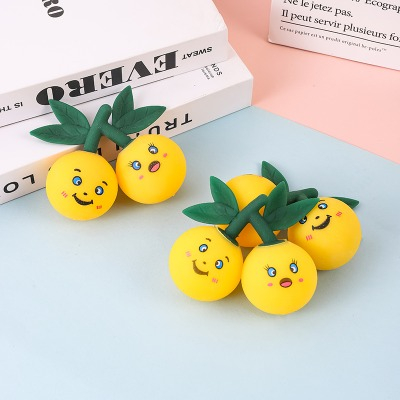
A Maltose Stress Ball is produced through a controlled manufacturing system that combines elastomer molding technology with viscous gel formulation. The final product depends heavily on precision in material ratio, sealing structure, and curing time.
The production process typically begins with outer shell preparation. Thermoplastic polyurethane (TPU) or thermoplastic rubber (TPR) is selected for its elasticity and tensile strength. These materials usually have a Shore hardness range between 20A and 45A, allowing the shell to remain soft while resisting tearing during repeated compression cycles.
The molding stage involves liquid injection or dip-coating methods. In dip molding, a pre-shaped core mold is submerged into heated elastomer liquid. After withdrawal, a thin film forms and gradually solidifies. This layer thickness is controlled between 1.0 mm and 2.2 mm depending on target softness and durability requirements.
Once the outer shell is formed, the maltose gel filling is prepared. The internal gel is created by blending maltose syrup with viscosity modifiers such as polyvinyl alcohol or cross-linked polymer stabilizers. This mixture is heated to ensure uniform consistency and then cooled to achieve a stable semi-solid state.
The gel viscosity typically ranges between 8,000 and 20,000 mPa·s, depending on the intended squeeze resistance level. Higher viscosity results in slower movement and stronger tactile feedback.
Filling and Sealing Process
After shell formation, the Maltose Stress Ball is filled through a controlled injection nozzle. The gel is injected under low pressure to avoid air bubble formation. Air pockets are a major defect in production because they disrupt uniform squeeze response.
Once filled, the opening is sealed using heat compression or ultrasonic welding. This step ensures that the internal gel remains fully enclosed under repeated mechanical stress.
Sealing strength is tested under pressure loads equivalent to 5–8 kg of external force. Any leakage or micro-cracking at the seam is considered a failure in quality inspection.
Curing and Stabilization
After sealing, the product undergoes a stabilization period where it is stored at controlled temperature conditions, usually between 18°C and 25°C. This allows the gel and outer shell to settle into a balanced internal pressure state.
During this phase, material stress redistribution occurs. The elastomer shell slightly relaxes, while the gel maintains consistent viscosity structure.
Quality Testing Standards
A completed Maltose Stress Ball must pass several mechanical and environmental tests:
Compression cycle test: 10,000–20,000 squeezes
Temperature range stability: 0°C to 45°C
Drop resistance: 1.5-meter height impact
Tensile elongation: 250%–400% shell stretch capacity
These tests ensure the product can handle repeated daily use without deformation or rupture.
Industrial Consistency Factors
Production consistency depends on three critical variables:
Gel viscosity uniformity
Shell thickness precision
Seal integrity strength
Even a 0.2 mm variation in shell thickness can change squeeze resistance noticeably. Likewise, slight differences in maltose gel formulation can affect rebound speed and tactile softness.
Functional Manufacturing Goal
The manufacturing goal of a Maltose Stress Ball is not just shape creation but controlled sensory engineering. Each unit is designed to produce predictable resistance and recovery behavior across thousands of use cycles.
This combination of polymer engineering and gel chemistry is what defines its industrial value in sensory product manufacturing.