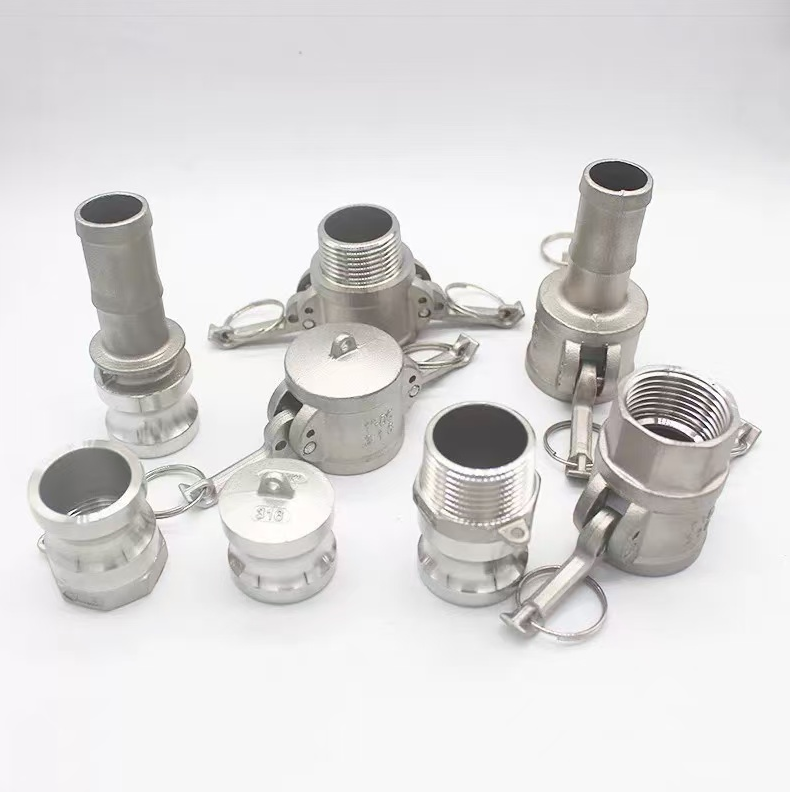
A firefighting system depends on reliable water delivery from the source to the discharge point. Hoses, pumps, hydrants, branch pipes, and valves all contribute to the overall performance, yet the connection between these components deserves equal attention. An Instantaneous Fire Coupling provides a rapid and secure method for joining firefighting equipment while supporting efficient water transfer. Designed around BS336 principles, this coupling style uses a male and female connection with spring-loaded locking components that engage automatically during assembly. Typical configurations are available in aluminum alloy and gunmetal for different operating environments.
Connection Security
Water pressure can fluctuate during firefighting operations. Sudden pump starts, valve closures, and elevation changes may create temporary pressure surges.
An Instantaneous Fire Coupling addresses these conditions through its locking arrangement. The female section contains spring-loaded plungers that engage with a raised lip on the male adaptor. Both release mechanisms must be operated before separation.
This arrangement offers several practical benefits:
Rapid connection
Stable mechanical locking
Easy disassembly
Consistent alignment
Reduced assembly errors
The universal head design found in BS336 systems also allows compatibility across various equipment combinations.
Seal Performance
Preventing leakage is an important requirement during water delivery.
The female coupling contains a sealing ring with a tapered profile. During operation, water pressure helps energize the seal against the matching taper of the male component.
Typical seal materials include:
EPDM
Nitrile rubber
Water-resistant synthetic compounds
Seal performance depends on:
Correct installation direction
Seal condition
Surface cleanliness
Pressure stability
Routine inspection helps identify wear before leakage develops.
Technical Parameters
An Instantaneous Fire Coupling may vary according to application requirements.
Common specifications include:
Nominal coupling size:
2.5 inches
Working pressure:
10–16 bar
Hydrostatic test pressure:
Approximately 22–24 bar
Materials:
Aluminum alloy, brass, gunmetal, stainless steel
Available hose tails:
1.5", 2", 2.5", and 3"
Operating medium:
Fresh water and firefighting water supply
Actual values depend on design and installation requirements.
Applications
An Instantaneous Fire Coupling serves many industries.
Common installations include:
Municipal fire services
Chemical processing
Warehouses
Marine terminals
Airports
Mining operations
Commercial buildings
Water transfer stations
Portable pumping systems also benefit from rapid connection capabilities.
Inspection Procedures
Regular inspection supports reliable operation.
Maintenance personnel should examine:
Locking plungers.
Release handles.
Sealing rings.
Coupling grooves.
Hose tail attachment.
Corrosion.
Mechanical damage.
Foreign material should be removed before equipment returns to service.
Hose Assembly
The hose connection deserves careful attention.
Double rib hose tails improve mechanical retention.
Common fastening methods include:
Wire binding.
Mechanical clamps.
Expansion rings.
Hydraulic crimping.
Proper assembly reduces the possibility of hose movement during operation.
Storage Conditions
Equipment storage affects service life.
Good practices include:
Keeping couplings dry.
Protecting seals.
Cleaning after use.
Avoiding heavy impacts.
Covering exposed openings.
Rotating spare inventory.
These simple measures can reduce maintenance requirements.
Safety During Operation
Operators should confirm:
Correct coupling orientation.
Full locking engagement.
Secure hose attachment.
Clean sealing surfaces.
Adequate pressure rating.
A quick visual inspection before operation helps reduce unexpected interruptions.
Future Trends
Manufacturing improvements continue to support fire protection equipment.
Areas receiving attention include:
Precision casting
Surface treatment
Corrosion-resistant alloys
Improved elastomers
Lightweight construction
These developments maintain compatibility while supporting long-term reliability.
Conclusion
A dependable hose connection contributes to safe and efficient firefighting operations. An Instantaneous Fire Coupling combines rapid assembly, practical sealing technology, and mechanical stability for a variety of water delivery applications. Routine inspection, suitable material selection, and proper installation practices help maintain reliable performance throughout its service life.