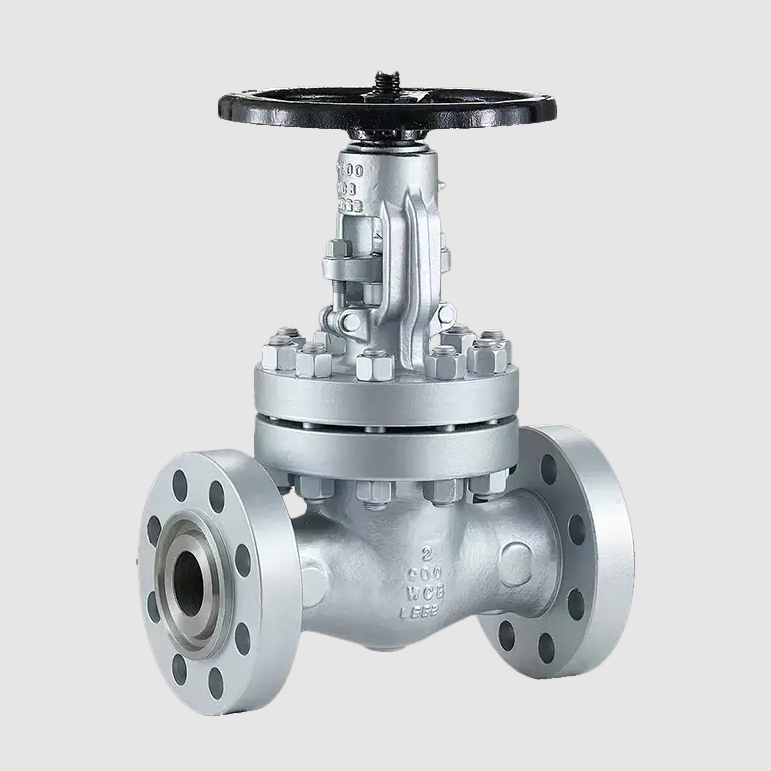
The ANSI Gate Valve is widely used in industrial piping networks where linear flow control and reliable shutoff are required. It follows standardized ANSI pressure classes, which makes it suitable for water, oil, gas, and steam applications across different pipeline configurations. The structure of the valve is based on a rising or non-rising stem connected to a wedge-shaped disc that moves vertically to open or close the flow path.
In many installations, the ANSI Gate Valve is selected for its straightforward operation and low resistance when fully open. The internal flow channel allows fluid to pass with minimal turbulence, which supports stable system performance in long-distance pipelines. The valve body is commonly constructed from cast iron, carbon steel, or stainless steel depending on operating conditions and media characteristics.
Sealing performance is achieved through metal-to-metal or resilient seat arrangements. The gate disc presses firmly against the seat surface when closed, reducing leakage risks. The bonnet assembly provides access for maintenance, allowing inspection of the stem, packing, and internal components without removing the entire valve from the pipeline.