Introduction
Cholesterol and lipid blood tests are essential diagnostic tools used to evaluate the levels of fats in your bloodstream. These fats include cholesterol and triglycerides, which play a key role in your heart health. When levels become imbalanced, they can increase the risk of heart disease, stroke, and other cardiovascular conditions.
Many people do not experience symptoms of high cholesterol, which makes regular screening even more important. A lipid profile test helps doctors detect early warning signs and guide lifestyle or medical interventions before serious complications develop.
In this article, you will learn what lipid tests are, why they are important, how they are performed, and how to interpret your results in a simple and practical way.
What is a Lipid Profile Test?
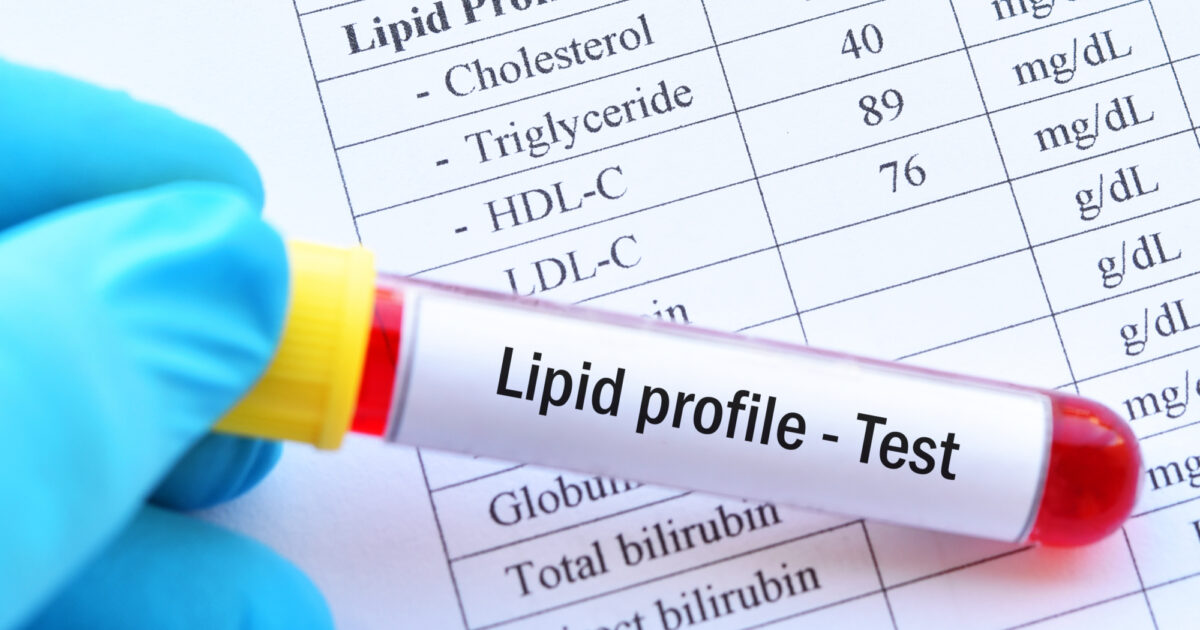
A lipid profile test is a blood test that measures different types of fats in your body, mainly cholesterol and triglycerides. It is commonly used to assess heart health and detect risks of cardiovascular disease early. The test is quick, simple, and usually done after fasting for accurate results.
Lipid testing helps doctors evaluate how well your body is managing fat metabolism. It is especially important for people with diabetes, obesity, high blood pressure, or a family history of heart disease. Regular testing can help prevent long-term complications.
Types of Cholesterol and Lipids in the Blood
Cholesterol is not entirely harmful; your body needs it for hormone production and cell structure. However, imbalance is the main concern. The lipid profile measures LDL (low-density lipoprotein), HDL (high-density lipoprotein), total cholesterol, and triglycerides.
LDL is often called “bad cholesterol” because high levels can lead to plaque buildup in arteries. HDL is “good cholesterol” as it helps remove excess cholesterol from the bloodstream. Triglycerides are fats stored for energy but can increase heart risk when elevated.
Why Lipid Testing is Important for Heart Health
Lipid testing plays a crucial role in preventing heart disease. High cholesterol levels often show no symptoms until a serious event occurs, such as a heart attack or stroke. Early detection through blood testing allows timely lifestyle changes or medication.
Doctors use lipid results to assess overall cardiovascular risk and recommend diet changes, exercise routines, or medication. People with sedentary lifestyles, unhealthy diets, or genetic predispositions should test regularly to maintain optimal heart health and avoid long-term complications.
How to Prepare for a Lipid Blood Test
Preparing for a lipid profile test is simple but important for accurate results. In most cases, doctors recommend fasting for 9 to 12 hours before the test. During this time, only water is allowed, and food or sugary drinks should be avoided.
Certain medications may also affect results, so inform your doctor beforehand. Avoid alcohol and fatty meals the day before testing. The blood sample is usually taken from a vein in your arm and takes only a few minutes.
Understanding Your Lipid Test Results
Interpreting lipid results helps you understand your heart health status. Total cholesterol below 200 mg/dL is generally considered healthy. LDL levels should ideally be low, while HDL levels should be higher for better protection against heart disease.
Triglycerides below 150 mg/dL are considered normal. If results are outside the healthy range, doctors may recommend dietary changes, exercise, or medications. Regular monitoring ensures you stay on track and reduce the risk of cardiovascular problems over time.
Book Your Lipid Blood Test at Top Labs in Pakistan
You can easily monitor your heart health by booking a lipid profile test through trusted healthcare platforms. Instacare offers access to top laboratories across Pakistan with convenient home sampling services and affordable pricing. You can also get up to 35% discount on selected tests.
Booking your test through reliable labs ensures accuracy, fast reporting, and professional handling of your sample. Early screening is the best way to prevent heart disease and maintain long-term wellness with confidence and ease.
Conclusion
Cholesterol and lipid blood tests are simple but powerful tools for assessing your heart health. They help detect imbalances early, allowing timely intervention before serious health issues develop. Since high cholesterol often has no symptoms, regular testing becomes essential for everyone, especially those at higher risk.
Maintaining healthy cholesterol levels involves a combination of balanced diet, regular exercise, and periodic medical checkups. Understanding your lipid profile empowers you to make informed lifestyle choices and protect your cardiovascular system for the long term.
By staying proactive and monitoring your health regularly, you can significantly reduce the risk of heart disease and lead a healthier, more active life.
Frequently Asked Questions (FAQs)
- How often should I get a lipid profile test?
Most adults should get tested every 4–6 years, but people with risk factors may need more frequent testing as advised by their doctor.
- Do I need to fast before a lipid blood test?
Yes, fasting for 9–12 hours is usually recommended to ensure accurate measurement of triglycerides and cholesterol levels.
- Can high cholesterol be treated without medication?
In many cases, lifestyle changes like diet, exercise, and weight management can improve cholesterol levels, but some patients may require medication depending on severity.