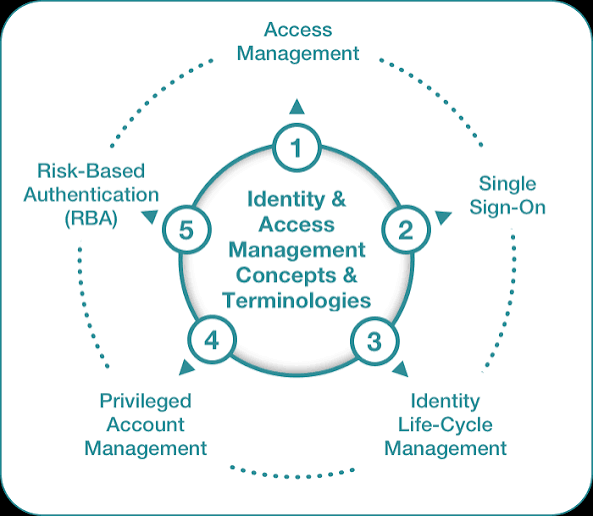
Digital transformation has increased the number of users, devices, cloud platforms, and business applications that organizations manage every day. As access requirements become more complex, businesses need stronger identity controls to protect sensitive information and maintain compliance with industry regulations. Managing digital identities effectively reduces unauthorized access while ensuring employees can securely perform their daily responsibilities. A comprehensive identity security strategy built around governance, privileged account protection, and strong authentication helps organizations improve operational efficiency while strengthening cybersecurity across their entire technology environment.
What is Identity Governance and Administration?
Identity Governance and Administration provides organizations with centralized control over user identities and access permissions across enterprise systems. It automates user provisioning, access approvals, role management, periodic certification, and account removal to ensure permissions remain aligned with business responsibilities. Automated governance reduces administrative effort while improving consistency across cloud and on-premises environments. Access reviews also help identify excessive permissions and inactive accounts that could expose the organization to unnecessary cybersecurity risks. This structured approach supports regulatory compliance while improving overall visibility into enterprise identity management.
What is Privileged Access Management and why is it important?
Privileged Access Management secures administrator accounts that have elevated permissions to manage business-critical infrastructure and applications. These accounts require additional protection because they can modify sensitive systems and access confidential information. Security controls such as encrypted password vaults, credential rotation, approval-based access, session monitoring, and activity recording reduce opportunities for unauthorized use. Continuous oversight of privileged activities improves accountability while helping organizations detect suspicious behavior before security incidents occur. Proper management of privileged accounts significantly reduces the attack surface for cybercriminals.
How do Multi-Factor Authentication Solutions improve cybersecurity?
Multi-Factor Authentication Solutions strengthen authentication by requiring multiple verification methods before granting access to enterprise systems. Organizations can combine passwords with biometric authentication, mobile verification applications, hardware security keys, or one-time passwords to improve identity verification. Even if passwords are compromised, additional authentication steps make unauthorized access significantly more difficult.
Advantages include:
- Reduced password-related security risks.
- Improved protection against phishing attacks.
- Stronger cloud application security.
- Better security for remote employees.
- Enhanced compliance with cybersecurity standards.
- Additional protection for administrative accounts.
This layered authentication strategy creates stronger protection without interrupting normal business operations.
What is the difference between Identity Governance and Privileged Access Management?
Identity governance manages user identities across the organization by controlling access permissions, enforcing policies, and supporting compliance. Privileged access management focuses specifically on securing accounts with elevated administrative privileges capable of affecting business-critical infrastructure.
Important differences include:
- Identity governance manages workforce identities.
- Privileged access management protects administrator accounts.
- Identity governance automates user lifecycle processes.
- Privileged access management secures privileged credentials.
- Identity governance improves access visibility.
- Privileged access management limits privileged misuse.
Using both technologies together provides stronger protection across every level of enterprise access management.
How do Identity and Access Management solutions help businesses?
Identity and Access Management solutions enable centralized authentication and user administration across enterprise applications, cloud platforms, and hybrid environments. Automated identity management improves efficiency while maintaining consistent access policies and reducing manual administrative tasks. Security teams gain greater visibility into user permissions, enabling faster response to access requests and changing business requirements.
Organizations benefit through:
- Automated identity lifecycle management.
- Centralized authentication.
- Faster employee onboarding.
- Simplified compliance reporting.
- Improved operational efficiency.
- Reduced administrative costs.
- Better protection against unauthorized access.
Centralized identity management helps businesses maintain secure and reliable access across increasingly complex digital environments.
Best Practices for Identity Management
Organizations should implement least-privilege access, automate account lifecycle management, conduct regular access reviews, secure privileged credentials, enforce strong authentication, monitor user activities continuously, and educate employees about cybersecurity risks. These practices improve resilience against identity-based attacks while supporting long-term compliance and operational efficiency.
Conclusion
Identity security plays a vital role in protecting enterprise systems, confidential information, and business operations. Organizations that strengthen governance, secure privileged accounts, enforce strong authentication, and maintain centralized identity management reduce cybersecurity risks while improving compliance and administrative efficiency. A comprehensive identity security strategy provides the protection required to support digital transformation, business continuity, and future organizational growth.