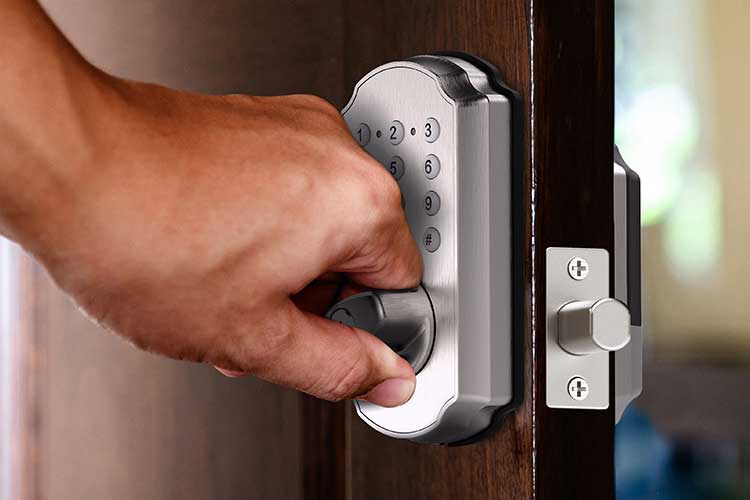
Outdoor smart locks offer convenient access through fingerprints, PIN codes, cards, mobile applications, Bluetooth, and Wi-Fi. They are commonly considered for villa entrances, townhouse doors, garden gates, holiday homes, staff accommodation, and other external access points. However, Dubai’s outdoor conditions can affect a smart lock differently from a lock installed inside an apartment corridor.
High temperatures, direct sunlight, dust, humidity, cleaning water, and coastal air can influence the lock body, fingerprint sensor, keypad, batteries, internal electronics, and mechanical components. This does not mean outdoor smart locks are unsuitable for Dubai. It means the lock must be selected and installed according to the door’s exact location and level of exposure.
Before arranging smart lock installation in Dubai, property owners should confirm that the selected model is suitable for outdoor use and compatible with the entrance door.
Direct Sunlight Can Overheat the Lock
A villa entrance exposed to direct sunlight can become considerably hotter than the surrounding air. Dark-coloured metal doors and lock bodies may absorb additional heat, especially when facing the afternoon sun.
Prolonged heat exposure may affect:
- Fingerprint sensors
- Touchscreen keypads
- Plastic exterior components
- Display visibility
- Adhesive seals
- Battery performance
- Internal electronic boards
- Mobile connectivity modules
A smart lock designed for an indoor apartment entrance may work correctly at first but become unreliable after repeated outdoor exposure.
Before purchasing a model, check the manufacturer’s operating-temperature range and installation instructions. A lock described as weather-resistant should still be assessed according to the actual entrance position.
A covered villa door may experience less exposure than an open garden gate, even though both are technically outdoors.
Dust and Sand Can Affect Moving Components
Dust is another important consideration for outdoor smart lock installation in Dubai. Fine particles can collect around keypads, fingerprint readers, emergency keyholes, handles, latches, bolts, and battery covers.
Over time, this buildup may cause:
- Stiff handle movement
- Difficulty reading fingerprints
- Jammed emergency keyways
- Slow latch or bolt movement
- Poor contact around removable components
- Increased wear inside mechanical parts
Property owners should avoid using unsuitable oils or thick grease because these substances can attract more dust. Maintenance should follow the lock manufacturer’s recommendations.
A professional installer should also check that the external lock body sits correctly against the door surface. Large gaps, loose covers, and poorly fitted seals can allow dust to enter more easily.
Planning an outdoor digital access upgrade?
Contact DEX Key Maker for professional smart lock installation in Dubai, door compatibility assessment, fitting, setup, and functionality testing.
Humidity Can Affect Electronics and Metal Parts
Dubai’s humidity can influence both mechanical and electronic lock components. Properties near the coast may experience additional exposure to moisture and salty air.
Humidity may contribute to:
- Corrosion on metal components
- Oxidation around battery contacts
- Moisture inside poorly sealed units
- Reduced keypad responsiveness
- Fogging around sensors or displays
- Deterioration of external finishes
- Electrical contact problems
Outdoor locks installed near Dubai Marina, JBR, Palm Jumeirah, Bluewaters, and other waterfront areas may require particularly careful product selection.
The lock’s exterior finish should be suitable for the environment, but appearance alone is not enough. Internal sealing, battery-compartment protection, and manufacturer-approved outdoor use are also important.
Regular inspection can help identify early corrosion before it affects the locking mechanism.
Water Resistance Must Match the Entrance
An outdoor smart lock may be exposed to rain, garden irrigation, pressure cleaning, condensation, or water used during entrance cleaning.
Property owners should check the lock’s published ingress-protection rating where available. An IP rating generally describes resistance to dust and water under specified test conditions. However, one rating should not be interpreted as permission to install the product in every outdoor location.
The installation should consider:
- Whether the door is covered
- Direction of rain exposure
- Cleaning methods
- Nearby sprinklers
- Pool or garden location
- Gaps between the lock and door
- Protection of the interior unit
A weather-resistant exterior keypad does not necessarily mean the internal lock body can be exposed to water. Many smart locks have an outdoor-facing unit and an interior unit intended to remain protected.
Heat Can Reduce Battery Performance
Smart locks depend on batteries to operate motors, sensors, keypads, connectivity features, and warning systems. Extreme heat can reduce battery efficiency and may shorten the period between replacements.
Battery performance can also decline when the lock motor must work against a misaligned door.
Warning signs include:
- Frequent low-battery alerts
- Slow bolt movement
- Delayed fingerprint response
- Intermittent keypad operation
- Loss of Wi-Fi connectivity
- Incomplete locking cycles
Always use the battery type recommended by the manufacturer. Avoid mixing old and new batteries or combining different brands.
Property owners should also understand the emergency-access options before installation. Depending on the model, these may include:
- Mechanical backup key
- External emergency-power terminal
- USB power connection
- Mobile notification before battery failure
- Interior manual release
Battery access should remain convenient after the smart lock is fitted.
Door Expansion and Alignment Problems
Dubai weather conditions can also affect the door itself. Wooden doors may expand or contract, while metal doors and frames can shift because of heat, frequent use, hinge wear, or structural movement.
Even slight misalignment can affect smart-lock performance.
Common signs include:
- The door must be pushed before locking
- The handle needs to be lifted
- The latch rubs against the strike plate
- The motor makes repeated locking attempts
- The bolt does not fully extend
- The application reports a locking error
- Batteries drain unusually quickly
A smart-lock motor is designed to move the bolt under normal resistance. When the strike plate is misaligned, the motor has to work harder.
Professional smart lock installation in Dubai should therefore include inspection of the hinges, frame, latch, bolt, strike plate, and door movement. Installing a new smart lock without correcting alignment may lead to recurring problems.
Fingerprint Sensors Need Suitable Placement
Fingerprint access is convenient, but outdoor conditions can affect sensor performance.
Dust, moisture, direct sunlight, skin dryness, and dirty fingertips may reduce recognition accuracy. The sensor should be positioned where it can be used comfortably and protected from unnecessary exposure.
During setup, register each authorised fingerprint carefully. Some models allow more than one scan of the same finger, which can improve recognition from slightly different angles.
It is also sensible to configure backup access methods, such as:
- PIN code
- Access card
- Mobile application
- Mechanical key
- Administrator access
A household should not depend on only one method of entry.
Outdoor Gates Require Different Smart Locks
A garden or villa gate is often more exposed than the main entrance door. It may face direct sun, sand, rain, irrigation water, and greater temperature variation.
Gate installations can also involve:
- Narrow metal profiles
- Limited mortise space
- Different latch systems
- Long distances from the Wi-Fi router
- Outdoor wiring
- Door closers
- Uneven alignment
- Higher exposure to impact
A standard apartment smart lock should not automatically be adapted to an outdoor gate. The lock must be designed for the gate material, locking arrangement, and environmental conditions.
In some cases, a weather-resistant access-control device connected to a suitable electric lock may be more appropriate than a conventional residential smart lock.
Wi-Fi Coverage May Be Weaker Outdoors
Some smart locks require built-in Wi-Fi, a bridge, hub, gateway, or smart-home controller for remote access. Outdoor entrances may be far from the property’s router.
Weak connectivity can affect:
- Remote locking and unlocking
- Access notifications
- Temporary PIN management
- Activity records
- Application updates
- Integration with smart-home systems
Before installation, test network coverage at the entrance. A lock may still work through fingerprints, PINs, cards, or Bluetooth even when remote features are unavailable.
Property owners should understand which functions depend on internet access and whether additional equipment is required.
Choosing a Suitable Outdoor Smart Lock
Before buying an outdoor smart lock, check:
- Manufacturer-approved installation environment
- Operating-temperature range
- Weather or IP rating
- Door material and thickness
- Existing mortise dimensions
- Opening direction
- Direct sunlight exposure
- Rain and cleaning-water exposure
- Coastal humidity
- Battery type
- Backup access
- Wi-Fi or hub requirements
- Warranty limitations
Do not select a lock based only on appearance, price, or advertised features. Two smart locks with similar access methods may have very different installation and environmental requirements.
Why Professional Installation Matters
Outdoor smart-lock fitting may require more than basic drilling. The lock body, mortise, spindle, cable, handle, strike plate, and door frame must align correctly.
A professional installation can include:
- Door and lock compatibility assessment
- Existing mortise inspection
- Accurate drilling and fitting
- Strike-plate adjustment
- Weather-seal inspection
- Fingerprint and PIN setup
- Mobile app pairing
- Wi-Fi or Bluetooth testing
- Battery and backup-access explanation
- Final locking and unlocking tests
The lock should be tested repeatedly with the door open and closed. The technician should also explain routine cleaning, battery replacement, and warning signs that require attention.
Final Thoughts
Dubai’s weather can affect outdoor smart locks through heat, direct sunlight, dust, humidity, water exposure, and door movement. These conditions do not prevent the use of digital access systems, but they make correct product selection and installation essential.
An indoor smart lock should not be installed on an exposed villa door simply because its dimensions appear compatible. Property owners should confirm the operating conditions, weather resistance, battery requirements, door structure, alignment, and connectivity before purchasing.
Professional smart lock installation in Dubai helps ensure the selected model fits the door, operates smoothly, and is configured correctly. Regular inspection and suitable maintenance can then reduce corrosion, battery problems, sensor issues, and mechanical failure.
Frequently Asked Questions
Are all smart locks suitable for outdoor use?
No. Some models are designed mainly for indoor or covered entrances. Check the manufacturer’s operating-temperature range, weather rating, and installation instructions.
Can direct sunlight damage a smart lock?
Long-term exposure can affect displays, sensors, batteries, finishes, and electronic components, particularly when the lock is not designed for outdoor conditions.
Does Dubai heat drain smart-lock batteries faster?
High temperatures may reduce battery performance. Misalignment can also increase battery use because the motor must work harder to move the bolt.
Are smart locks suitable for waterfront properties?
Yes, provided the model is suitable for humid or coastal conditions. Corrosion resistance and proper sealing are particularly important near the sea.
Can dust affect fingerprint recognition?
Yes. Dust, moisture, and dirty fingertips can reduce sensor accuracy. The fingerprint reader should be cleaned according to the manufacturer’s instructions.
Why does my outdoor smart lock fail to close completely?
The bolt may be meeting resistance because the door, hinges, frame, or strike plate is misaligned.
Does an outdoor smart lock need Wi-Fi?
Not always. Fingerprint, PIN, card, and Bluetooth access may work without Wi-Fi. Remote control and notifications may require internet access or a separate hub.
What should I send before booking installation?
Share photographs of both sides of the door, the door edge, existing lock, smart-lock model, property location, and details about direct sun, rain, or outdoor exposure.