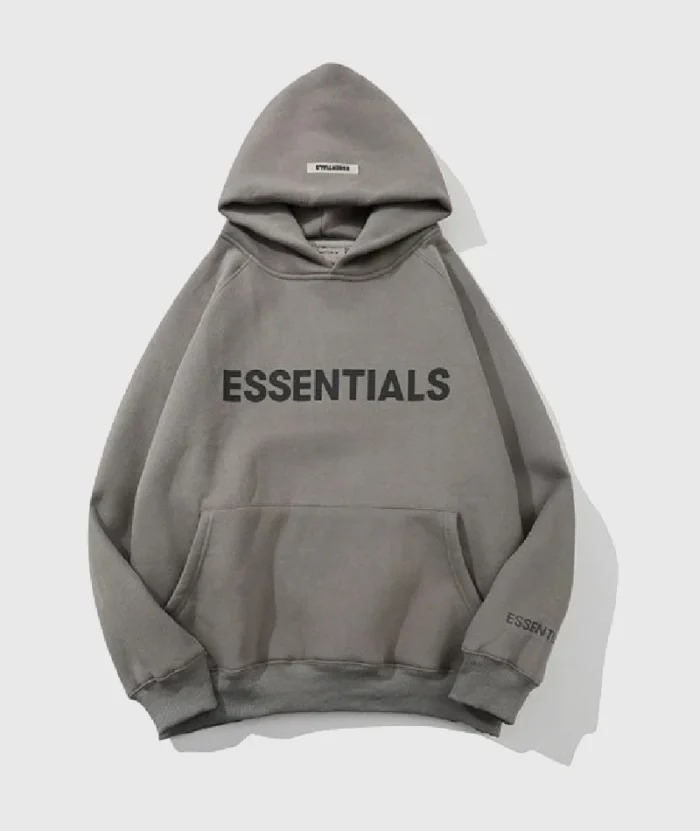
The Essentials Hoodie has become one of the most sought-after pieces in modern streetwear. Designed with a minimalist aesthetic, premium materials, and a relaxed oversized fit, it has earned a loyal following among fashion enthusiasts worldwide. However, its popularity has also led to a surge in counterfeit products. Today, fake Essentials Hoodies are widely available through unofficial websites, social media marketplaces, and unauthorized sellers, making it difficult for buyers to distinguish between authentic and replica versions.
Purchasing a counterfeit hoodie can mean paying premium prices for inferior quality. Fake products often use cheaper materials, poor construction, and inaccurate branding, resulting in a garment that lacks the comfort, durability, and appearance of the genuine item.
This guide explains how to identify a real Essentials Hoodie and avoid falling for common replica scams.
Why Counterfeit Essentials Hoodies Are So Common
Popular fashion brands are frequent targets for counterfeit manufacturers because of their strong demand and recognizable designs. Essentials Hoodies are especially attractive to counterfeit sellers because they feature simple branding, making it easier to imitate the overall appearance.
Many replicas look convincing in online photos, but closer inspection often reveals noticeable differences in quality, stitching, labels, and materials.
Knowing what to check before making a purchase can save both money and disappointment.
Check the Overall Quality
One of the easiest ways to recognize an authentic Essentials Hoodie is by evaluating its overall quality.
A genuine hoodie feels substantial without being overly heavy. The fabric is smooth, soft, and well-constructed, while the stitching is clean and consistent throughout.
Common signs of a fake hoodie include:
- Thin fabric
- Rough interior lining
- Loose threads
- Uneven seams
- Poor finishing
- Crooked stitching
Authentic Essentials Hoodies are carefully manufactured and rarely show obvious construction flaws.
Examine the Fabric
Fabric quality is one of the biggest differences between authentic and replica hoodies.
A genuine Essentials Hoodie usually features a premium cotton blend with a soft fleece interior. The material feels dense, comfortable, and durable while maintaining breathability.
Counterfeit versions often use:
- Thin cotton
- Rough polyester blends
- Stiff fabric
- Scratchy fleece
- Lightweight materials
If the hoodie feels unusually light or cheaply made, it is likely not authentic.
Inspect the Logo Carefully
The Essentials logo is simple, but counterfeit manufacturers frequently make mistakes with its placement, size, or finish.
Check for:
- Even lettering
- Proper spacing
- Straight alignment
- Consistent font
- Clean printing or rubberized application
Replica hoodies may have:
- Crooked logos
- Incorrect font thickness
- Uneven spacing
- Smudged printing
- Peeling material
Even small differences can indicate that a hoodie is counterfeit.
Look at the Neck Label
The neck label provides valuable information about authenticity.
A genuine Essentials Hoodie typically has:
- Neatly stitched label
- High-quality printing
- Correct branding
- Clear lettering
- Proper alignment
Fake labels often display:
- Blurry text
- Misspelled words
- Crooked stitching
- Poor print quality
- Incorrect fonts
Always compare the label with images from trusted retailers if possible.
Check the Rubberized Branding
Many Essentials Hoodies feature rubberized branding on the chest or upper back.
On authentic products, this branding is:
- Smooth
- Evenly applied
- Flexible
- Securely attached
Replica versions often have rubber logos that:
- Peel easily
- Feel stiff
- Crack quickly
- Appear glossy instead of matte
- Lift around the edges
Poor-quality rubber branding is one of the easiest ways to identify a fake.
Examine the Care Label
The inside care label often reveals important clues.
An authentic care label usually contains:
- Clear washing instructions
- Consistent font
- Proper spacing
- High-quality printing
- Accurate manufacturing information
Counterfeit labels may feature:
- Typographical errors
- Uneven printing
- Incorrect washing symbols
- Low-quality fabric tags
- Faded text
Take a few moments to inspect these details carefully.
Evaluate the Stitching
Premium craftsmanship is one of the defining characteristics of genuine Essentials Hoodies.
Look for:
- Straight stitching
- Uniform seam width
- Reinforced stress points
- Clean finishing
Replica hoodies commonly have:
- Loose threads
- Uneven stitching
- Skipped stitches
- Poor seam alignment
High-quality stitching contributes significantly to the hoodie's durability.
Feel the Weight
Authentic Essentials Hoodies https://essentialsushoodies.com/ generally feel more substantial than replicas.
The thicker fabric provides:
- Better warmth
- Improved structure
- Greater durability
- Higher comfort
Fake hoodies often feel noticeably lighter because manufacturers use less expensive materials.
Although weight alone cannot confirm authenticity, it is an important factor when combined with other indicators.
Inspect the Hood Construction
The hood itself offers another useful authenticity check.
A genuine Essentials Hoodie usually has:
- Structured shape
- Thick material
- Symmetrical construction
- Clean stitching
Counterfeit versions may have:
- Flimsy hood
- Uneven panels
- Twisted seams
- Thin fabric
The hood should maintain its shape without collapsing easily.
Compare the Fit
Essentials Hoodies are known for their oversized silhouette.
Authentic hoodies generally feature:
- Relaxed body
- Dropped shoulders
- Wide sleeves
- Comfortable proportions
Some fake versions attempt to imitate the oversized look but end up appearing awkwardly large or unusually narrow.
If the fit feels inconsistent with the brand's signature style, it may be counterfeit.
Check the Price
If a deal appears too good to be true, it often is.
Authentic Essentials Hoodies are premium products and usually sell within a relatively consistent price range through authorized retailers.
Warning signs include:
- Extremely low prices
- Large discounts from unknown sellers
- Flash sales with unrealistic markdowns
- Bulk offers on new releases
While occasional sales happen, unusually cheap listings should raise concerns.
Buy From Trusted Retailers
One of the best ways to avoid counterfeit products is purchasing through reputable sources.
Safer buying options include:
- Official brand retailers
- Authorized fashion boutiques
- Well-known department stores
- Trusted online marketplaces with authentication services
Avoid sellers who cannot provide detailed product photos or proof of purchase.
Request Detailed Photos
When buying second-hand or from online marketplaces, ask for clear photos of:
- Front
- Back
- Neck label
- Care label
- Logo
- Hood
- Sleeves
- Stitching
- Packaging
Authentic sellers are usually willing to provide additional images.
Blurry or limited photos may indicate that a seller is hiding flaws.
Examine the Packaging
Packaging alone cannot confirm authenticity, but poor packaging often accompanies counterfeit products.
Authentic products generally arrive with:
- Neatly folded garment
- High-quality protective packaging
- Correct tags
- Clean presentation
Fake products sometimes arrive in generic plastic bags with missing or incorrect labels.
Packaging should be considered alongside other authenticity checks rather than as proof on its own.
Read Seller Reviews
Before purchasing from an unfamiliar retailer, review customer feedback.
Pay attention to comments about:
- Product quality
- Authenticity
- Delivery experience
- Customer service
- Return policies
Multiple complaints regarding fake products should be treated as a serious warning.
Beware of Social Media Scams
Counterfeit sellers often advertise heavily on social media using attractive product photos and unrealistic discounts.
Common warning signs include:
- Limited contact information
- No return policy
- Newly created accounts
- Poor customer reviews
- Pressure to buy quickly
- Prices far below market value
Always research unfamiliar stores before making a purchase.
Common Myths About Fake Essentials Hoodies
Many buyers rely on myths that can lead to incorrect conclusions.
Some believe that every replica has obvious flaws, but high-quality counterfeits can closely resemble genuine products. Others assume expensive listings guarantee authenticity, yet counterfeit sellers sometimes charge premium prices to appear legitimate.
Another misconception is that packaging alone proves authenticity. While authentic packaging is a positive sign, it can also be copied. The best approach is to evaluate multiple factors, including fabric quality, labels, stitching, logo placement, fit, and the seller's reputation.
Final Checklist Before Buying
Before purchasing an Essentials Hoodie, ask yourself:
- Does the fabric feel premium?
- Is the logo clean and correctly aligned?
- Are the labels professionally printed?
- Is the stitching neat and consistent?
- Does the hoodie have the expected oversized fit?
- Is the price realistic?
- Is the seller reputable?
- Can the seller provide detailed photos or proof of purchase?
If several answers raise concerns, it is wise to walk away and look for another seller.
Conclusion
The popularity of the Essentials Sweatshirt has unfortunately made it a prime target for counterfeit manufacturers. While many replicas may look convincing at first glance, careful attention to details such as fabric quality, stitching, logos, labels, fit, and overall craftsmanship can help you separate authentic products from imitations.
Buying from trusted retailers, researching sellers, and avoiding deals that seem unrealistically cheap are some of the most effective ways to protect yourself from counterfeit purchases. A genuine Essentials Hoodie is valued not only for its appearance but also for its comfort, durability, and quality construction. By taking the time to inspect these features before buying, you can invest with greater confidence and enjoy a hoodie that truly reflects the standards of the original.