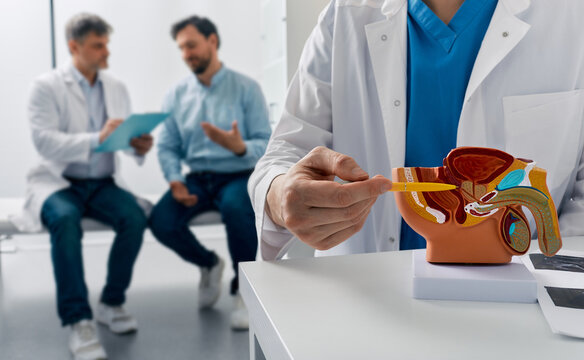
Urological conditions affect the urinary tract and male reproductive system, impacting people of all ages. These disorders range from common urinary tract infections to more complex conditions such as kidney stones, prostate enlargement, and bladder cancer. In Pakistan, changing lifestyles, inadequate hydration, diabetes, obesity, and delayed medical consultations contribute to the growing prevalence of urological diseases.
Many urological conditions are highly treatable when diagnosed early. Recognizing the symptoms and seeking timely medical attention can prevent complications, improve quality of life, and protect long-term kidney and urinary health. This article explores the ten most common urological conditions in Pakistan, their causes, symptoms, diagnosis, and treatment options.
What Is Urology?
Urology is a medical specialty focused on diagnosing and treating diseases affecting the urinary tract in both men and women, as well as the male reproductive system. Urologists manage conditions involving the kidneys, ureters, bladder, urethra, prostate gland, testes, and penis.
They use medical therapies, minimally invasive procedures, and surgery to treat a wide range of disorders that affect urinary and reproductive health.
1. Urinary Tract Infections (UTIs)
Urinary tract infections are among the most common urological conditions in Pakistan, particularly in women. A UTI occurs when bacteria enter the urinary tract, leading to infection in the bladder, urethra, or kidneys.
Common Symptoms
- Burning sensation during urination
- Frequent urge to urinate
- Cloudy or foul-smelling urine
- Lower abdominal discomfort
- Fever in severe infections
Treatment
Most uncomplicated UTIs are treated with antibiotics, increased fluid intake, and good personal hygiene. Recurrent infections may require additional evaluation to identify underlying causes.
2. Kidney Stones
Kidney stones are highly prevalent in Pakistan due to hot weather, dehydration, dietary factors, and genetic predisposition. Stones form when minerals crystallize inside the kidneys.
Symptoms
- Severe pain in the back or side
- Blood in urine
- Nausea and vomiting
- Pain during urination
- Frequent urination
Treatment
Small stones may pass naturally with increased hydration and medication, while larger stones may require shock wave lithotripsy, ureteroscopy, or surgical removal.
3. Benign Prostatic Hyperplasia (BPH)
Benign prostatic hyperplasia is the non-cancerous enlargement of the prostate gland that commonly affects men over the age of 50.
Symptoms
- Weak urine stream
- Frequent nighttime urination
- Difficulty starting urination
- Incomplete bladder emptying
- Sudden urge to urinate
Treatment
Treatment depends on symptom severity and may include medications, minimally invasive procedures, or surgery.
4. Erectile Dysfunction (ED)
Erectile dysfunction is the inability to achieve or maintain an erection sufficient for sexual activity. It is increasingly common due to diabetes, hypertension, obesity, smoking, stress, and cardiovascular disease.
Symptoms
- Difficulty achieving erections
- Difficulty maintaining erections
- Reduced sexual desire
Treatment
Lifestyle changes, medications, counseling, hormone therapy, and surgical options are available depending on the underlying cause.
5. Urinary Incontinence
Urinary incontinence refers to the involuntary leakage of urine. Although more common among older adults, it can affect people of all ages.
Types
- Stress incontinence
- Urge incontinence
- Overflow incontinence
- Functional incontinence
Treatment
Management includes pelvic floor exercises, bladder training, medications, lifestyle changes, and surgery when necessary.
6. Overactive Bladder (OAB)
Overactive bladder causes a sudden and frequent urge to urinate, sometimes leading to accidental urine leakage.
Symptoms
- Frequent urination
- Urgent need to urinate
- Nighttime urination
- Urge incontinence
Treatment
Behavioral therapy, pelvic floor exercises, medications, and nerve stimulation therapies are commonly used.
7. Prostatitis
Prostatitis is inflammation of the prostate gland and can occur in men of all ages. It may result from bacterial infection or chronic pelvic pain syndrome.
Symptoms
- Pelvic pain
- Painful urination
- Pain during ejaculation
- Fever in acute infections
- Difficulty urinating
Treatment
Depending on the cause, treatment may include antibiotics, anti-inflammatory medications, alpha-blockers, and supportive care.
8. Bladder Cancer
Bladder cancer is one of the more serious urological conditions seen in Pakistan. Smoking remains the leading risk factor, although occupational chemical exposure and chronic bladder irritation may also contribute.
Symptoms
- Blood in urine
- Frequent urination
- Pain during urination
- Pelvic pain
- Lower back pain
Treatment
Treatment depends on the stage of cancer and may involve surgery, chemotherapy, immunotherapy, or radiation therapy.
9. Chronic Kidney Disease (CKD)
Chronic kidney disease develops when the kidneys gradually lose their ability to filter waste from the blood. Diabetes and hypertension are the leading causes.
Symptoms
- Swelling of legs and feet
- Fatigue
- High blood pressure
- Nausea
- Changes in urination
Treatment
Managing blood pressure, blood sugar, diet, and medications helps slow disease progression. Advanced cases may require dialysis or kidney transplantation.
10. Male Infertility
Male infertility contributes to nearly half of infertility cases among couples. Urological disorders can affect sperm production, transport, or function.
Causes
- Varicocele
- Hormonal disorders
- Genetic conditions
- Infections
- Lifestyle factors
- Smoking
- Obesity
Treatment
Treatment depends on the underlying cause and may include medications, surgery, lifestyle changes, or assisted reproductive techniques.
Risk Factors for Urological Diseases
Several factors increase the likelihood of developing urological disorders:
- Diabetes
- High blood pressure
- Obesity
- Smoking
- Poor hydration
- High salt intake
- Family history
- Increasing age
- Sedentary lifestyle
- Recurrent urinary infections
Addressing these risk factors can reduce the chances of developing serious urinary tract diseases.
How Are Urological Conditions Diagnosed?
Accurate diagnosis begins with a detailed medical history and physical examination. Depending on the symptoms, a urologist may recommend:
- Urine analysis
- Blood tests
- Ultrasound
- CT scan
- MRI
- Cystoscopy
- Urodynamic studies
- Prostate-specific antigen (PSA) testing
- Semen analysis for fertility concerns
Early diagnosis improves treatment outcomes and helps prevent long-term complications.
Preventing Urological Disorders
Many urological conditions can be prevented or their risk reduced by adopting healthy habits.
Preventive measures include:
- Drinking plenty of water daily
- Maintaining a healthy weight
- Exercising regularly
- Eating a balanced diet
- Limiting salt intake
- Avoiding smoking
- Managing diabetes and blood pressure
- Practicing good personal hygiene
- Avoiding prolonged urine retention
- Scheduling routine medical checkups
Healthy lifestyle choices support both urinary and overall health.
When Should You See a Urologist?
Consult a urologist if you experience:
- Blood in urine
- Painful urination
- Difficulty urinating
- Frequent urinary infections
- Persistent pelvic pain
- Kidney stone symptoms
- Erectile dysfunction
- Urinary leakage
- Male infertility
- Changes in urinary habits lasting several weeks
Prompt medical evaluation allows early treatment and reduces the risk of complications.
Conclusion
Urological conditions are common in Pakistan and affect people across all age groups. Disorders such as urinary tract infections, kidney stones, enlarged prostate, erectile dysfunction, urinary incontinence, bladder disorders, chronic kidney disease, and male infertility can significantly impact daily life if left untreated. Fortunately, most urological conditions can be effectively managed through early diagnosis, healthy lifestyle changes, medications, minimally invasive procedures, or surgery when required.
If you are experiencing urinary symptoms, kidney-related problems, prostate concerns, erectile dysfunction, or other urological issues, Instacare.pk makes it easy to connect with experienced urologists across Pakistan for expert evaluation and personalized treatment. Patients looking for specialized urological care in Lahore can consult Assist. Prof. Dr. Athar Mahmood, an experienced urologist available on Instacare.pk, who provides comprehensive diagnosis and treatment for conditions such as kidney stones, prostate disorders, urinary tract infections, male infertility, and erectile dysfunction. With verified specialist profiles, convenient online appointment booking, and access to qualified healthcare professionals, Instacare.pk helps you take proactive steps toward maintaining your urinary and reproductive health.