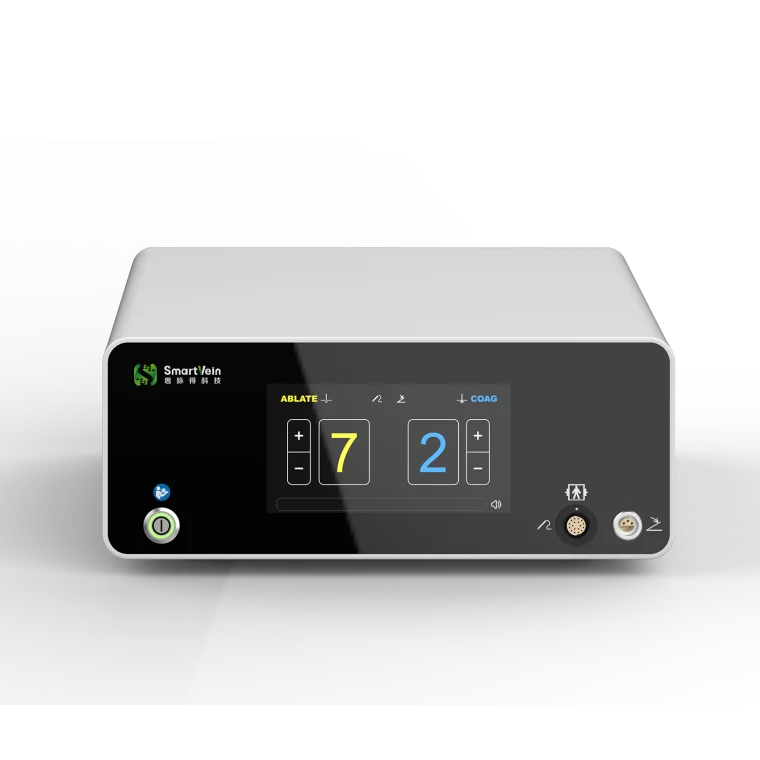
Medical devices used in coastal regions, tropical climates, or high-humidity environments are constantly challenged by salt-laden air. For Plasma Surgery Systems, corrosion is not merely a cosmetic issue—it can compromise electrical performance, structural integrity, sterilization reliability, and ultimately patient safety.
Unlike conventional industrial equipment, plasma surgical systems operate under high-frequency electromagnetic fields, involve direct interaction with biological tissues, and require strict compliance with medical standards. Consequently, corrosion protection must go beyond simple rust prevention and address biocompatibility, electromagnetic compatibility (EMC), sterilization resistance, and long-term operational stability.
This article explores the corrosion mechanisms affecting metal components in salt spray environments and presents practical engineering strategies to improve the durability and reliability of plasma surgery systems.
Why Salt Spray Is So Destructive to Medical Equipment
Salt spray corrosion is fundamentally an electrochemical process accelerated by chloride ions (Cl⁻).
When airborne salt particles settle on metallic surfaces, they absorb moisture and form an electrolyte layer. This enables electrochemical reactions that gradually destroy the protective oxide film naturally present on many metals.
The typical corrosion process includes:
- Salt particles dissolve into a conductive electrolyte.
- Metal atoms lose electrons and become metal ions.
- Oxygen and moisture complete the electrochemical circuit.
- Chloride ions penetrate passive oxide films, destabilizing corrosion-resistant layers.
- Localized attack develops into pitting corrosion, crevice corrosion, and eventually structural degradation.
For plasma surgery systems, vulnerable components include:
- Equipment housings
- Electrodes
- Electrical connectors
- Internal support structures
- Fasteners
- Heat dissipation assemblies
If left uncontrolled, corrosion can reduce electrical conductivity, weaken structural strength, increase contact resistance, and shorten equipment lifespan.
Material Selection: The First Line of Defense
Selecting corrosion-resistant materials is one of the most effective ways to improve long-term durability.
Rather than relying solely on protective coatings, engineers should begin by choosing metals with superior inherent resistance to chloride attack.
Austenitic Stainless Steel
Grades such as 316L and 317L contain molybdenum, which significantly improves resistance to pitting and crevice corrosion compared with conventional 304 stainless steel.
These materials are commonly used for:
- Equipment enclosures
- Electrode supports
- Connector housings
- Structural frames
Under neutral salt spray testing, properly treated 316L components can exceed 1,000 hours without red rust.
Titanium and Titanium Alloys
Titanium naturally forms an extremely stable titanium oxide (TiO₂) film that provides outstanding corrosion resistance.
Advantages include:
- Exceptional salt spray resistance (>2,000 hours)
- Excellent biocompatibility
- High sterilization tolerance
- Long service life
Typical applications include implant-grade electrodes, precision medical components, and high-value structural parts.
Anodized Aluminum Alloys
Aluminum alloys such as 6061-T6 become highly corrosion resistant after hard anodizing.
The resulting aluminum oxide layer offers:
- High hardness
- Lightweight construction
- Good wear resistance
- Salt spray resistance exceeding 500–1,000 hours
These materials are ideal for equipment housings and heat sinks where weight reduction is important.
Nickel-Based Alloys
For components exposed to elevated temperatures and aggressive environments, nickel-based alloys such as Inconel 625 provide excellent resistance to intergranular corrosion and stress corrosion cracking.
They are particularly suitable for high-frequency power modules and thermal management systems.
Engineering Plastics as Metal Alternatives
In some applications, replacing metal altogether offers the best solution.
Materials including:
- PEEK
- PEI
provide complete corrosion immunity while also offering electrical insulation, chemical resistance, and excellent thermal stability.
They are commonly used for insulating brackets, cable retainers, and non-load-bearing internal structures.
Surface Engineering: Building an Effective Protective Barrier
Even corrosion-resistant alloys benefit from advanced surface treatments that prevent chloride ions from reaching the underlying substrate.
Electroplating and Electroless Coatings
Several coating technologies are widely used in medical equipment manufacturing.
Hard Chromium Plating
Provides:
- Extremely high hardness
- Excellent wear resistance
- Salt spray resistance exceeding 500 hours
Suitable for moving mechanical assemblies and guide rails.
Electroless Nickel-Phosphorus (Ni-P)
Its amorphous structure delivers:
- Uniform coating thickness
- Excellent corrosion resistance
- Coverage of complex geometries
Widely applied to precision switches and small mechanical components.
Zinc-Nickel Alloy Coatings
Compared with conventional zinc plating, zinc-nickel coatings offer significantly improved corrosion resistance while remaining cost-effective for fasteners and external hardware.
Thermal Spray Technologies
For harsh operating environments, thermal spray coatings provide exceptional protection.
Common solutions include:
- Plasma-sprayed aluminum oxide (Al₂O₃)
- Zirconia (ZrO₂)
- HVOF tungsten carbide-cobalt (WC-Co)
These coatings combine corrosion resistance with outstanding wear resistance, making them suitable for insulating supports and cooling system components.
Advanced Anodizing Technologies
Hard anodizing creates a dense aluminum oxide layer that dramatically improves durability.
For even greater protection, Micro-Arc Oxidation (MAO) generates ceramic-like coatings capable of exceeding 2,000 hours in salt spray testing while offering outstanding hardness and abrasion resistance.
Passivation and Conversion Coatings
Chemical passivation enhances the natural chromium oxide layer on stainless steel, increasing resistance to chloride attack.
Additional treatments such as phosphating improve paint adhesion and provide an excellent foundation for multilayer protective coating systems.
Protective Coating Systems
High-performance coatings create an additional barrier between corrosive environments and metal substrates.
Depending on application requirements, engineers may select:
Epoxy Powder Coatings
Ideal for equipment housings due to their:
- Strong adhesion
- Excellent chemical resistance
- Salt spray resistance exceeding 1,000 hours
Polyurethane Topcoats
Provide excellent UV stability while resisting repeated exposure to hospital disinfectants.
Inorganic Zinc-Rich Primers
Offer sacrificial cathodic protection for large steel structures and support frames.
Parylene Coatings
Parylene C and Parylene P are widely recognized for:
- Pinhole-free coverage
- Outstanding biocompatibility
- FDA acceptance
- Salt spray resistance beyond 2,000 hours
These coatings are especially valuable for PCB interfaces, miniature connectors, and precision electronic assemblies.
Structural Design Can Prevent Corrosion Before It Starts
Corrosion resistance is not determined solely by material selection.
Well-designed structures minimize moisture retention and reduce corrosion initiation sites.
Effective design practices include:
- Eliminating unnecessary crevices
- Using continuous welds instead of overlapping joints
- Incorporating drainage channels
- Improving ventilation to reduce humidity
- Electrically isolating dissimilar metals
- Simplifying housing geometry to prevent salt accumulation
These measures significantly reduce localized corrosion and extend equipment service life.
Maintenance Remains an Essential Part of Corrosion Control
Even the most advanced materials require routine maintenance.
Recommended practices include:
- Regular removal of salt deposits using clean water or neutral detergents
- Immediate repair of damaged coatings
- Periodic inspection of electrodes and connectors
- Thickness measurement of protective coatings
- Humidity control between 40% and 60% during storage
Preventive maintenance can dramatically extend equipment lifespan while reducing unexpected failures.
Corrosion Protection for Critical Components
Plasma Electrodes
Electrodes experience some of the harshest service conditions.
Preferred solutions include:
- Titanium alloy or passivated 316L stainless steel
- TiN (Titanium Nitride) coatings
- DLC (Diamond-Like Carbon) coatings
These advanced coatings improve both wear resistance and corrosion resistance while maintaining compatibility with repeated sterilization cycles.
Electrical Connectors
Reliable electrical performance depends heavily on connector integrity.
Recommended protection methods include:
- Gold-plated contacts
- Silver plating with protective resin
- IP67 sealing
- Fluororubber sealing rings
- Scheduled cleaning using anhydrous ethanol
These measures help prevent oxidation, maintain low contact resistance, and ensure stable signal transmission.
Verifying Corrosion Resistance Through Standardized Testing
Effective corrosion protection must be validated through internationally recognized testing procedures.
Common standards include:
- ISO 9227 — Neutral Salt Spray (NSS) Test
- ASTM B117 — Salt Spray Testing Standard
- GB/T 10125 — Artificial Atmosphere Corrosion Test
For plasma surgery systems, critical components such as housings and electrodes should generally withstand more than 500 hours of neutral salt spray exposure without red rust or significant performance degradation.
Final Thoughts
Ensuring long-term corrosion resistance in plasma surgery systems requires a comprehensive engineering approach rather than a single protective measure.
By integrating corrosion-resistant materials, advanced surface treatments, high-performance coatings, optimized structural design, and preventive maintenance, manufacturers can dramatically reduce the impact of chloride-induced degradation.
The ultimate objective is not only to prevent rust but also to maintain electrical stability, sterilization compatibility, mechanical reliability, and patient safety throughout the equipment's service life. As plasma surgical technologies continue to evolve, adopting a holistic corrosion protection strategy will remain essential for improving product reliability, reducing maintenance costs, and extending operational lifespan in even the most demanding salt spray environments.