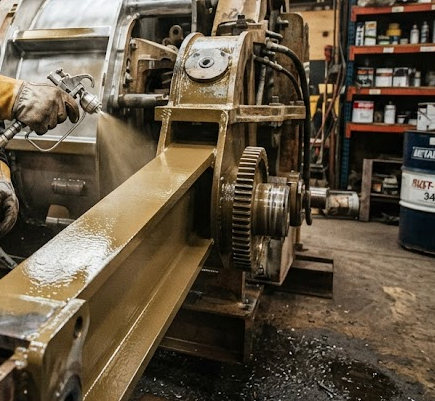
In industries such as heavy manufacturing, marine engineering, oil and gas, and infrastructure construction, metal corrosion remains one of the biggest challenges affecting equipment reliability and operational safety. Steel structures, pipelines, machinery, and industrial components are constantly exposed to moisture, chemicals, salt spray, temperature changes, and mechanical stress.
For industrial asset managers and maintenance professionals, traditional paint coatings are often insufficient for long-term protection. High-value equipment requires advanced industrial metal protectives that can withstand harsh environments and provide reliable corrosion resistance throughout extended service periods.
By combining material science, advanced coating technology, and practical application experience, companies like Northen are developing high-performance corrosion protection solutions designed for demanding industrial conditions.
Understanding Why Metal Corrosion Happens
To select the right corrosion protection solution, it is important to understand how metal degradation occurs.
Corrosion is essentially an electrochemical reaction. When metal surfaces are exposed to water, oxygen, salts, or chemical contaminants, microscopic areas on the surface become anodic and cathodic regions. This creates electron movement that gradually causes metal oxidation and material loss.
In marine environments, chloride ions accelerate corrosion. In chemical plants, acidic or alkaline substances can damage unprotected surfaces. In industrial facilities, temperature fluctuations and mechanical stress can further weaken conventional protective layers.
Many standard coatings only provide a temporary physical barrier. Over time, factors such as:
- UV exposure
- Thermal expansion
- Mechanical vibration
- Surface cracking
- Moisture penetration
can cause coating failure and allow corrosion to continue beneath the surface.
A professional industrial metal protective coating must do more than cover the metal—it must actively prevent corrosion processes.
What Makes Advanced Industrial Metal Protectives Different?
High-performance protective coatings rely on advanced chemistry and engineered protection mechanisms.
Active Corrosion Inhibition
Unlike ordinary paints that only block external elements, advanced protective systems may contain corrosion-inhibiting components that actively slow electrochemical reactions.
For example, zinc-rich systems can provide sacrificial protection, helping protect steel even when minor surface damage occurs.
Strong Adhesion and Dense Molecular Structure
The durability of a coating depends greatly on its bonding strength and internal structure.
High-quality formulations create a strong polymer network that helps resist:
- Water penetration
- Chemical attack
- Under-film corrosion
- Coating blistering
This allows protective layers to maintain performance under severe operating conditions.
Key Factors When Selecting Industrial Metal Protectives
Choosing the correct corrosion protection system requires a detailed understanding of the working environment and equipment requirements.
Environmental Conditions
Different environments create different corrosion challenges.
Industrial facilities, coastal structures, and offshore equipment may require protection systems designed for high-corrosion categories such as:
- Heavy industrial environments
- Marine environments
- Offshore applications
Coating performance should be evaluated through industry-standard corrosion testing, including salt spray and humidity resistance assessments.
Surface Preparation Requirements
Proper surface preparation is essential for coating performance. However, in real industrial maintenance situations, complete abrasive blasting may not always be practical due to time constraints.
Advanced coatings designed for challenging surfaces can provide better adhesion under conditions where traditional preparation methods are difficult to achieve.
Temperature and Mechanical Resistance
Industrial equipment often operates under extreme conditions, including:
- High temperatures
- Mechanical impact
- Continuous vibration
- Heavy-duty operation
Protective materials must maintain flexibility, strength, and adhesion without cracking or losing performance.
How Northen Develops Advanced Corrosion Protection Solutions
When equipment reliability and reduced maintenance costs are critical, industries require more than basic coatings. They need specialized protection systems engineered for real-world challenges.
Northen focuses on developing industrial surface protection solutions that combine advanced materials technology with practical application requirements.
Advanced Bonding Technology
Northen industrial metal protectives are designed with high-performance resin systems that improve bonding between the coating and metal substrate.
This strong adhesion helps provide:
- Better peel resistance
- Improved edge protection
- Longer coating service life
Multi-Layer Corrosion Defense
Effective corrosion protection requires multiple defense mechanisms.
Northen solutions combine barrier protection with corrosion inhibition technology to:
- Reduce moisture penetration
- Block corrosive elements
- Slow oxidation processes
- Protect critical metal structures
This multi-layer approach improves reliability in demanding industrial environments.
Efficient Application Methods
Industrial downtime can be costly. Therefore, coating solutions must support efficient application.
Northen protective products are designed for practical application methods, including:
- Spray application
- Roller coating
- Industrial dipping processes
Fast curing characteristics help companies reduce maintenance interruptions and return equipment to service more quickly.
Best Practices for Maximum Coating Performance
Even the most advanced protective coating requires proper application procedures to achieve maximum service life.
Thorough Surface Cleaning
Contaminants such as:
- Oil residues
- Dust
- Salt deposits
- Surface oxidation
can reduce coating adhesion.
Proper cleaning and surface inspection are essential before application.
Monitor Application Conditions
Environmental factors directly influence coating quality.
During application, professionals should monitor:
- Temperature
- Humidity
- Surface temperature
- Dew point conditions
Applying coatings under unsuitable conditions may trap moisture and cause premature coating failure.
Verify Coating Thickness
Dry film thickness (DFT) measurement is an important quality control step.
Proper thickness verification ensures:
- Sufficient corrosion protection
- Uniform coating coverage
- Reduced risk of coating defects
Professional inspection helps confirm that the coating system meets performance requirements.
Conclusion
Corrosion is an unavoidable challenge across heavy industries, but effective protection strategies can significantly extend equipment lifespan and reduce maintenance costs.
By understanding corrosion mechanisms, selecting suitable industrial metal protectives, and applying professional coating practices, companies can protect valuable assets against harsh environmental conditions.
With advanced material technology and engineered corrosion defense solutions, Northen helps industrial customers improve equipment reliability, reduce downtime, and achieve long-term protection for critical metal structures.
In modern industrial environments, corrosion prevention is not just maintenance—it is a strategic investment in safety, efficiency, and operational success.