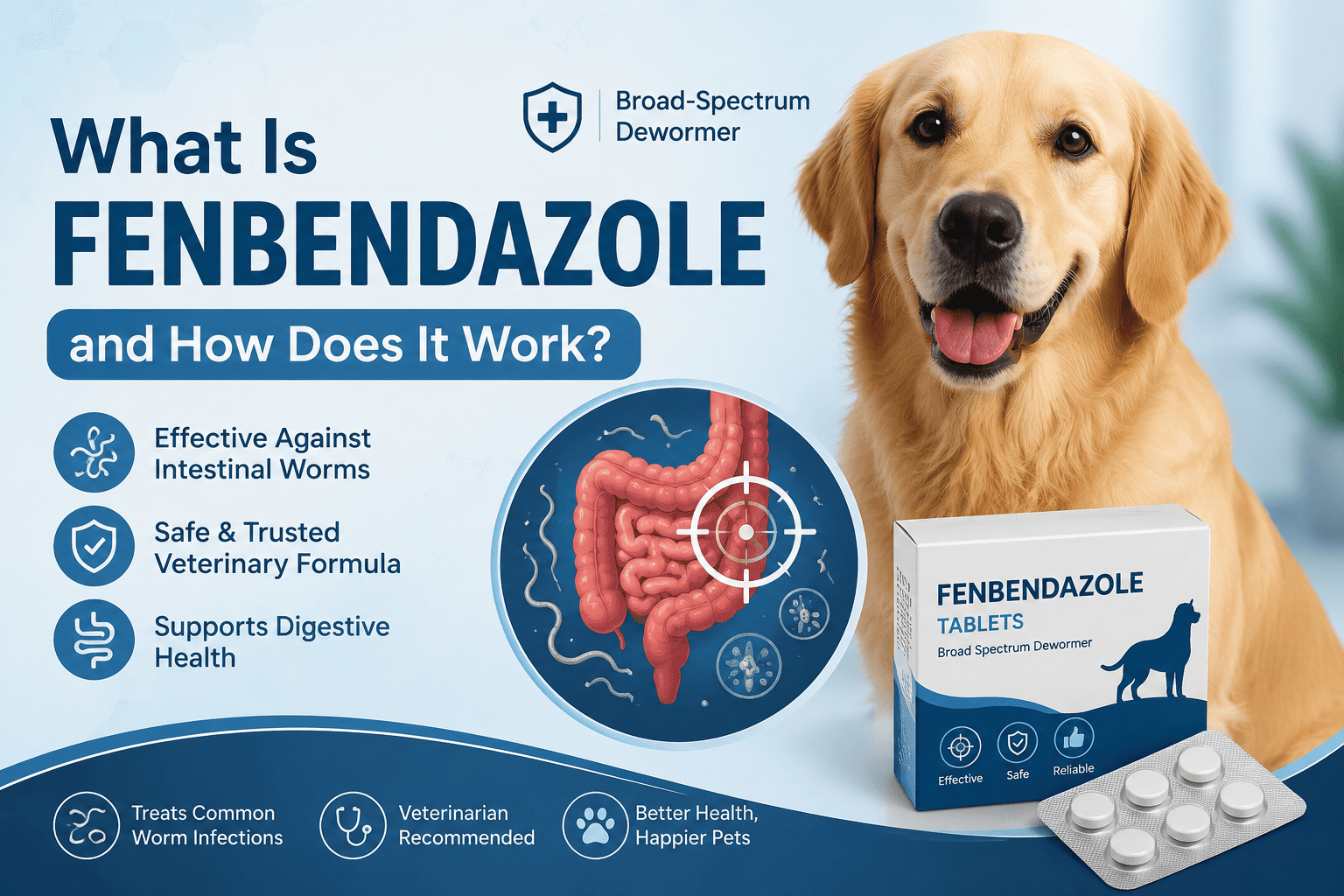
Fenbendazole is a broad-spectrum anthelmintic medication that has been widely used in veterinary medicine for decades. It is primarily designed to treat intestinal parasites in animals, particularly dogs, cats, horses, cattle, and other livestock. The medication belongs to the benzimidazole class of dewormers, which are known for their ability to eliminate a wide variety of parasitic worms while maintaining a favorable safety profile when used according to veterinary recommendations.
Parasitic infections are one of the most common health concerns affecting dogs. These infections can lead to digestive problems, poor nutrient absorption, weight loss, diarrhea, vomiting, anemia, and a weakened immune system. Puppies are especially vulnerable because their immune systems are still developing, making routine parasite control an essential part of preventive veterinary care.
Fenbendazole works by targeting the internal structure of parasites rather than affecting the host animal directly. Once administered, the active ingredient interferes with the formation of microtubules, which are tiny structural components inside parasite cells. These microtubules play a crucial role in transporting nutrients and maintaining normal cellular functions. Without properly functioning microtubules, the parasites lose their ability to absorb glucose, their primary source of energy.
As glucose stores become depleted, the parasites gradually lose their energy, become immobilized, and eventually die. The dead worms are then naturally expelled from the animal's digestive system through normal bowel movements. This process occurs over several days, which is why treatment is often continued for multiple consecutive days depending on the type of parasite being treated.
One of the major advantages of fenbendazole is its broad spectrum of activity. It is effective against several common intestinal worms, including roundworms, hookworms, whipworms, and certain species of tapeworms. In addition, veterinarians may recommend it as part of the treatment plan for some protozoal infections, including Giardia, although treatment protocols may vary depending on the severity of the infection and the individual animal's condition.
The medication is available in several formulations to suit different animals and treatment preferences. These include oral suspensions, granules, powders, pastes, and Fenbendazole Tablets, allowing veterinarians and pet owners to select the most convenient option based on the size, age, and temperament of the animal. Regardless of the formulation used, accurate dosing based on body weight is essential for achieving effective parasite control.
Another reason this medication remains popular is its established safety record. When administered at the recommended dosage, most dogs tolerate the treatment well with minimal side effects. Mild digestive upset, such as temporary vomiting or loose stools, may occasionally occur, particularly if the dog already has a heavy parasite burden. Serious adverse reactions are uncommon but should always be reported to a veterinarian if they occur.
Although fenbendazole is generally considered safe, it should never be used without professional guidance. A veterinarian can determine the appropriate dosage, treatment duration, and frequency based on the dog's weight, age, health status, and the specific parasite involved. Laboratory testing, such as fecal examinations, may also be recommended to confirm the presence of parasites before treatment begins and to evaluate whether additional therapy is needed after treatment.
Routine deworming plays a significant role in maintaining long-term canine health. Even dogs that spend most of their time indoors can become infected through contaminated soil, infected prey animals, shared environments, or accidental ingestion of parasite eggs. Regular parasite prevention helps protect not only pets but also the people who live with them, as certain intestinal parasites have the potential to spread to humans.
Preventing reinfection is equally important after treatment. Pet owners should maintain good hygiene by promptly disposing of feces, cleaning living areas regularly, washing food and water bowls, and reducing exposure to contaminated environments whenever possible. Following a veterinarian's recommended deworming schedule is one of the most effective ways to minimize recurring infections.
It is also important to remember that no single deworming medication treats every type of parasite. Different parasites respond differently to various medications, which is why proper diagnosis remains essential. Using the wrong treatment may fail to eliminate the infection completely and could delay appropriate care.
Overall, fenbendazole has earned its reputation as one of the most trusted antiparasitic medications in veterinary medicine. Its ability to target multiple intestinal parasites, combined with its well-established safety profile and effectiveness, makes it a valuable tool for maintaining digestive health and overall well-being in dogs. When used responsibly under veterinary supervision and combined with good preventive care, it helps ensure pets remain healthy, active, and free from harmful intestinal parasites.