What Are the Quick Temporary Fixes After Rain?
Heavy rain can create several problems around a home, including standing water, muddy yards, driveway puddles, roof leaks, clogged gutters, and water collecting near the foundation. Knowing the right Quick Temporary Fixes After Rain can help homeowners reduce immediate damage while waiting for professional repairs. The goal of a temporary fix is not to permanently solve the problem but to protect the property until the weather improves and a proper inspection can be completed. Homeowners should first identify where water is collecting and whether it is coming from the roof, gutters, driveway, yard, or another part of the property. Taking action quickly can prevent moisture from causing additional damage to pavement, masonry, landscaping, foundations, and interior areas of the home.
How Should You Inspect Your Property After Heavy Rain?
After heavy rainfall has stopped and conditions are safe, walk around your property and look for areas where water is collecting or flowing unexpectedly. Check the driveway, walkways, lawn, patio, gutters, downspouts, exterior walls, and visible foundation areas. Look for new cracks, potholes, soil erosion, loose pavers, overflowing gutters, roof leaks, or water stains. Homeowners should also pay attention to areas where water repeatedly collects because these locations may indicate an underlying drainage problem. Taking photographs of visible damage can be useful when discussing repairs with a professional. A quick inspection can help you determine which issues need immediate temporary protection and which ones require a more detailed assessment after the property has dried.
How Can You Temporarily Deal With Standing Water?
Standing water is one of the most common problems following heavy rain, particularly in yards with low areas or poor drainage. One of the first steps homeowners can take is to clear leaves, branches, dirt, and other debris from nearby drainage paths so water has a better opportunity to move away naturally. Where appropriate, temporary channels can help redirect small amounts of water toward a safe drainage area, but water should never be directed toward a home's foundation or a neighboring property. If standing water remains for a long time after every storm, the issue may involve poor grading or an inadequate drainage system. In that situation, a temporary solution may provide short-term relief, but a permanent drainage assessment is usually the better long-term approach.
What Can You Do About a Flooded or Muddy Yard?
A lawn can become saturated and muddy after prolonged rainfall, especially when soil drains slowly or water from roofs and paved surfaces flows into one area. The best temporary approach is usually to keep people, pets, and vehicles away from heavily saturated sections until the ground becomes firmer. Excessive foot traffic can compact wet soil and make future drainage problems worse. Homeowners can also remove debris that blocks natural water movement around the property. If you are researching How to Fix Standing Water in Yard After Rain, it is important to understand that recurring puddles are often caused by grading, soil conditions, or drainage problems rather than simply too much rain. A permanent solution should address the source of the water rather than only removing the puddle.
How Can You Protect a Driveway After Heavy Rain?
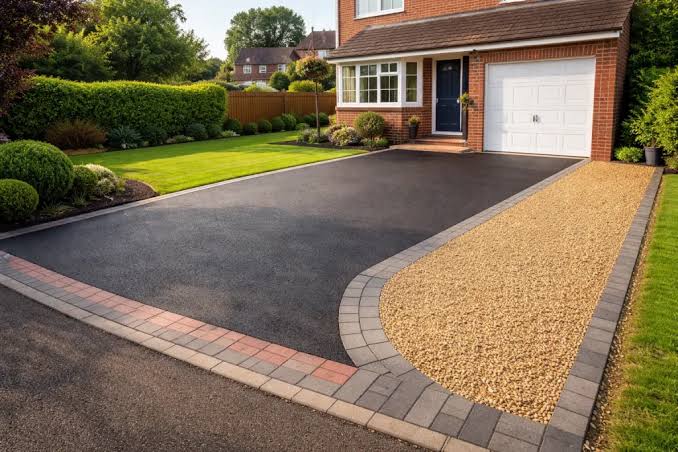
Rain can expose existing driveway problems such as cracks, potholes, low spots, loose edges, and poor drainage. If water is collecting in a damaged section, homeowners should avoid unnecessary vehicle traffic over severely weakened areas whenever possible. Clearing debris from driveway edges and nearby drainage areas can help improve water flow. However, homeowners should avoid treating temporary patching as a permanent repair when the underlying pavement is already deteriorating. Water can enter cracks and damaged areas and reach the base beneath the driveway, potentially causing additional settlement or surface failure. Once the area dries, inspect the driveway carefully and consider professional repairs if the same problem continues after multiple storms.
What Is a Temporary Solution for a Roof Leak?
A leaking roof requires immediate attention because even a small amount of water can damage ceilings, insulation, drywall, flooring, furniture, and electrical components. If water is entering the home, place a suitable container beneath the leak and move belongings away from the affected area. If the ceiling begins to bulge because of trapped water, avoid standing directly underneath it and seek professional assistance. Homeowners should not climb onto a wet roof because rain can make roofing surfaces extremely slippery and dangerous. Instead, document the location of the interior leak and arrange for a professional inspection once conditions are safe. A temporary interior measure can limit immediate damage, but a proper repair is necessary to prevent the leak from returning.
Why Should You Check Gutters and Downspouts After Rain?
Gutters and downspouts are responsible for moving rainwater away from the roof and foundation, but they can become blocked by leaves, dirt, branches, and other debris. When gutters overflow, water can run down exterior walls or collect around the foundation. After heavy rain, homeowners should check whether water is flowing properly through accessible gutter and downspout sections. Clearing visible debris can improve drainage, but homeowners should avoid climbing ladders in wet or unsafe conditions. Downspouts should also discharge water away from the foundation rather than releasing it directly beside the house. If gutters repeatedly overflow despite being clean, the property may need a professional evaluation of its drainage system.
How Can You Protect Your Foundation From Rainwater?
Water collecting around a foundation should be taken seriously because repeated moisture exposure can contribute to dampness, erosion, and other property concerns. As a temporary measure, homeowners can clear leaves and debris from drainage paths and make sure downspouts are not releasing large amounts of water directly beside the foundation. Do not make major changes to the soil around the foundation without understanding how grading will affect water movement. If water consistently collects near the house after rainfall, professional drainage work may be needed. Proper grading, drainage channels, downspout extensions, and other solutions can help direct water away from vulnerable areas and reduce the risk of recurring moisture problems.
What Should You Do If Rain Damages Masonry?
Heavy rain can reveal problems in brick, stone, concrete, and mortar that may have developed gradually over time. After a storm, homeowners may notice loose bricks, cracked mortar, discoloration, water stains, or areas where masonry appears to be deteriorating. A temporary step is to prevent additional water from reaching the damaged section where possible and document the condition for a professional inspection. Loose or unstable masonry should not be handled without proper knowledge because falling materials can create safety risks. If water is entering through damaged joints or cracks, the problem may become worse during future storms or freezing weather. Professional masonry repair can address the damaged area and help identify how water is entering the structure.
Can Heavy Rain Damage Patios and Walkways?
Patios and walkways can experience problems after heavy rainfall when the underlying base has shifted, settled, or become saturated. Pavers may move, concrete surfaces may develop cracks, and water may collect in low areas where the surface no longer drains properly. As a temporary measure, homeowners should avoid placing heavy loads on areas that appear unstable or washed out. Keeping nearby drainage paths clear can also reduce additional water flow across the surface. If the same area repeatedly develops puddles, the problem may involve grading or drainage rather than the surface material itself. Professional evaluation can help determine whether the patio or walkway requires resetting, resurfacing, drainage improvements, or another permanent repair.
Why Is Proper Drainage Important for Long Island Properties?
Proper drainage is essential for protecting homes and exterior surfaces from repeated rainfall. Long Island properties can experience heavy storms, seasonal changes, and periods of intense rainfall that place additional pressure on drainage systems. When water cannot move away efficiently, it can collect around foundations, driveways, patios, walkways, retaining walls, and low sections of the yard. Temporary fixes may help after an individual storm, but recurring water problems usually indicate the need for a permanent drainage solution. Depending on the property, solutions may include grading improvements, surface drains, channel drains, French drains, or other water management systems. The right option depends on the property's layout, soil, slope, and source of the water.
When Should a Temporary Fix Become a Permanent Repair?
Temporary measures are useful when immediate protection is needed, but they should not become a substitute for permanent maintenance. If the same leak, puddle, pothole, drainage issue, or masonry problem appears after every major rainfall, homeowners should investigate the underlying cause. Repeated temporary repairs can become more expensive because the original problem may continue to worsen. Permanent repairs are especially important when water enters the home, reaches the foundation, weakens masonry, damages roofing, or undermines a driveway or walkway. Addressing the source of the problem can provide much better long-term protection than repeatedly treating the visible symptoms after each storm.
How Can You Prevent Rain Damage in the Future?
Preventive maintenance can significantly reduce the effects of future storms. Homeowners should inspect gutters and downspouts regularly, remove debris from drainage paths, monitor driveway cracks, check patios and walkways for settlement, and inspect exterior masonry for damaged joints. Roofing should also be checked for missing or damaged materials and potential areas of water entry. Proper yard grading can help prevent water from collecting against the home, while appropriate drainage systems can move excess water toward safe discharge areas. Regular maintenance is often less expensive than emergency repairs because small problems can be addressed before they develop into larger structural or water-related issues.
Why Is Professional Help Important After Repeated Rain Problems?
Professional assistance can be valuable when a property continues to experience water problems after heavy rain. A trained contractor can evaluate whether the issue is related to grading, drainage, pavement, masonry, roofing, or another part of the property's exterior. This is important because treating the visible symptom without correcting the source may only provide temporary relief. For example, repeatedly filling a driveway crack will not solve a drainage problem that causes water to collect beneath the pavement. A professional assessment can help homeowners understand the cause of the problem and select a repair that provides more dependable long-term results.
Why Choose Promaster Maintenance Corp Paving and Masonry?
Quick Temporary Fixes After Rain can help protect your property from immediate water damage, but recurring problems require proper inspection, maintenance, and permanent repairs. Homeowners throughout Long Island can benefit from working with experienced professionals who understand local weather conditions, drainage requirements, paving, masonry, roofing concerns, patios, and other exterior property needs. Promaster Maintenance Corp Paving and Masonry provides professional paving and masonry services designed to help homeowners maintain durable, safe, and attractive properties. Whether your property is dealing with standing water, driveway damage, drainage concerns, masonry problems, or other rain-related issues, addressing the underlying cause can help protect your home and reduce the chance of repeated damage in the future.