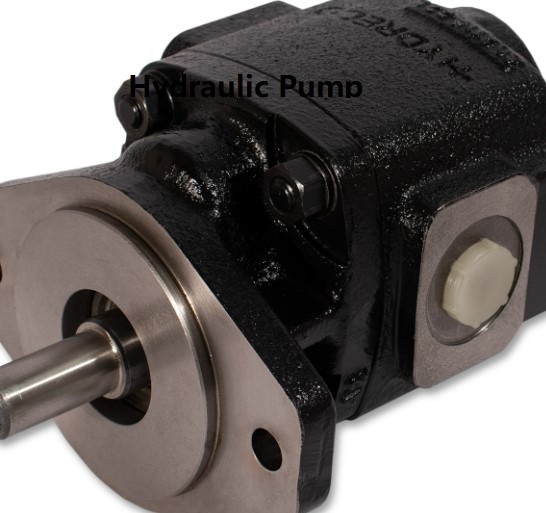
In industrial fluid-handling equipment, KP Gear Pump technology can provide a practical approach to moving liquids at a steady rate, while selecting the right KP Gear Pump requires attention to pressure, viscosity, temperature, speed, materials, and installation conditions. Gear pumps are positive displacement devices built around rotating gears that transfer fluid from an inlet toward an outlet. Their relatively straightforward construction makes them useful where dependable fluid movement and predictable operation are important. However, actual performance depends on how the pump is matched with the working medium and the rest of the hydraulic or processing system. A suitable selection should therefore begin with the application rather than simply the desired pump size.
How Gear Pump Operation Supports Steady Flow
The operating principle of a gear pump is relatively easy to understand. As the gears rotate inside the housing, spaces between the gear teeth and the internal wall carry fluid from the suction side toward the discharge side. When the teeth mesh again, the fluid is pushed toward the outlet.
This positive displacement action allows the pump to deliver a controlled volume of liquid during each rotation. As rotational speed changes, the flow rate can also change within the appropriate operating range. This makes speed, motor selection, and system requirements important factors during equipment planning.
Internal clearances also matter. The space between moving components must be carefully controlled because excessive clearance may affect volumetric efficiency, while insufficient clearance can increase friction or create operating problems. Gear geometry, housing design, manufacturing accuracy, and fluid characteristics therefore work together to determine practical performance.
Selecting the Right Configuration for Different Fluids
Not every liquid behaves in the same way. Viscosity, temperature, chemical properties, and cleanliness can all influence pump operation. A fluid with relatively high viscosity may require different operating conditions from a low-viscosity liquid.
Temperature can be particularly important because viscosity often changes as fluid temperature rises or falls. Engineers should consider both normal operating temperature and possible startup conditions. If a system experiences significant temperature fluctuations, the pump should be selected with these changes in mind.
Material compatibility should also be reviewed. The pump housing, gears, shafts, seals, and other wetted components need to be suitable for the intended fluid. This can help reduce premature deterioration and maintain stable operation.
Cleanliness is another consideration. Solid particles can cause wear on closely fitted internal components. Where appropriate, filtration and proper fluid management can help protect the pumping mechanism and improve service life.
Liming-Machine Approach to Equipment Selection
Pump selection works best when the entire system is considered. Required flow, working pressure, drive speed, piping dimensions, inlet conditions, operating temperature, and available installation space can all affect the final equipment choice.
The drive arrangement deserves particular attention. The motor and pump should operate within suitable speed and load conditions, while proper shaft alignment can help limit unwanted vibration and mechanical stress. Couplings and mounting components should also be installed according to the equipment requirements.
Piping layout can influence system performance as well. Excessive restrictions, sharp changes in direction, or unsuitable inlet arrangements may create unnecessary resistance. A well-planned installation gives the pump more favorable operating conditions and can simplify future maintenance.
Technical information and product guidance from Liming-Machine can help buyers understand the characteristics and potential applications of this type of equipment. Comparing technical specifications with actual operating requirements is an important step before placing an order.
Maintenance for Reliable Long-Term Operation
Even a well-selected pump requires routine attention. Maintenance intervals should reflect the operating environment, working hours, fluid properties, and importance of the equipment within the production process.
Operators can monitor common indicators such as unusual vibration, noise, leakage, temperature changes, and unexpected flow variation. These signs do not always indicate the same problem, but they can provide an early reason for inspection.
Seals and connections should be checked periodically, particularly in systems operating continuously. Mounting hardware and drive components can also be inspected for signs of loosening or abnormal movement.
Fluid quality should remain under control throughout operation. Contaminated fluid can increase wear on gears and internal surfaces, potentially affecting efficiency. Keeping filtration systems in suitable condition can therefore be an important part of preventive maintenance.
Recording inspections, operating hours, repairs, and component replacements can make maintenance planning more organized. Historical records may also help technicians identify recurring issues and determine whether operating conditions need adjustment.
Improving Overall System Efficiency
Efficient fluid transfer depends on more than the pump itself. The selected equipment should provide the required operating range without being unnecessarily oversized for the application. An oversized unit may operate outside its most practical range, while an undersized unit may struggle to meet production requirements.
Engineers should consider normal and changing conditions when planning a system. Fluid viscosity may vary with temperature, production demand may change throughout the day, and pressure requirements can differ between operating stages.
Future expansion is another useful consideration. If production capacity is expected to increase, it may be helpful to review how the existing pumping system could accommodate reasonable changes. This does not necessarily mean choosing the largest available equipment, but it does encourage better long-term planning.
A gear pump can be a useful component in many fluid-handling systems when its characteristics match the application. Careful equipment selection, compatible materials, suitable installation, clean operating conditions, and regular maintenance can all contribute to dependable performance.For manufacturers, engineers, and equipment buyers researching gear pump technology and related machinery solutions, further technical information can be found at https://www.liming-machine.com .