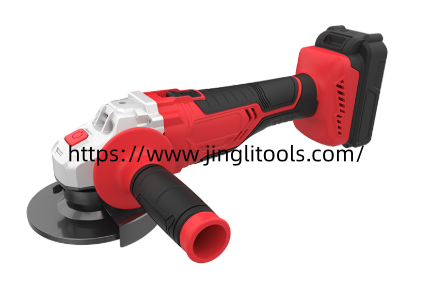
Angle Grinder Machine selection should begin with the actual metalworking application rather than appearance or one specification. Cutting steel, removing welds, smoothing edges, stripping rust, and preparing surfaces can require different discs, speeds, capacities, and handling characteristics. Buyers should consider disc diameter, rated RPM, motor design, power source, workload, accessory compatibility, safety features, and maintenance requirements before choosing a suitable configuration. Current buying guides also emphasize matching disc size and speed with the intended work.
Start With the Type of Work
The first step is to identify the tasks that will be performed regularly. Cutting thin sheet metal is different from removing heavy welds or preparing thick steel components. Rust removal, surface finishing, and edge preparation can also require different accessories and operating methods.
Make a list of common materials, expected cutting depth, work frequency, and typical working positions. This information can help narrow the equipment specifications that are actually relevant.
A workshop handling occasional repairs may prefer a compact configuration that is easier to maneuver. A fabrication facility with repeated cutting and grinding work may need a configuration suited to longer operating periods.
Check Disc Diameter
Disc diameter affects cutting depth, equipment size, weight, and handling. Common compact sizes are useful for general fabrication, while larger diameters can provide greater cutting depth for thicker materials. Recent buying guides compare 115 mm, 125 mm, and 230 mm classes according to application and handling requirements.
The selected diameter should match the material and task. A smaller disc can be convenient for confined areas, while a larger configuration may be considered when deeper cuts are required.
Always confirm that the disc diameter is compatible with the equipment and its protective guard.
Pay Attention to Rated Speed
No-load RPM is an important specification for metalworking. Every abrasive wheel has a maximum operating speed, and the equipment should not exceed the accessory rating. Bosch specifically advises users not to use a wheel with a maximum RPM below the equipment rating.
Before installation, compare the RPM marked on the disc with the equipment specification. This is particularly important when a workshop uses several disc types or changes between cutting and grinding applications.
Speed should also be considered alongside disc diameter, material, and intended use rather than evaluated alone.
Choose Accessories According to the Job
The accessory determines how the equipment should be used. Cutting discs are designed for cutting, while grinding wheels are intended for material removal. Flap discs can support blending and surface finishing, while wire brushes are commonly used for rust and scale removal.
Using the wrong accessory can create unnecessary risks and affect the working result. Bosch guidance states that cutting discs should not be used for rough grinding and recommends suitable guards for cutting applications.
Before purchasing, check disc diameter, bore size, thickness, material compatibility, and maximum operating speed.
Consider the Power Source
For a workshop with fixed workstations and convenient electrical access, a corded configuration may suit extended work periods. It removes the need to monitor battery charge during continuous operation.
Cordless equipment can offer greater mobility where work areas change frequently. However, buyers should consider battery capacity, charging arrangements, total weight, and expected operating time.
For a manufacturer or workshop purchasing several units, the power source should be considered together with the layout of the workplace and the expected daily workload.
Examine Motor and Control Features
Motor design can affect operating behavior, heat management, maintenance, and energy use. Buyers should review the motor specification together with overload protection, restart protection, braking functions, and speed control where available.
Variable speed can be useful when different accessories require different operating conditions. However, it should be selected according to the actual work rather than simply because the feature is available.
A complete specification comparison can provide more useful information than focusing on motor terminology alone.
Check Handling and Protection Features
Metalworking can produce sparks, debris, vibration, and heat. Weight, balance, side-handle position, grip design, guard adjustment, and switch placement can therefore influence daily handling.
The protective guard should be suitable for the intended accessory and application. Users should also inspect discs before use and replace damaged or unsuitable accessories.
Bosch recommends inspecting abrasive wheels for chips and cracks and checking accessories after a drop or other event that could cause damage.
Review Maintenance and Replacement Parts
Before purchasing, check whether replacement guards, handles, discs, brushes, cables, and other components are available for the selected configuration.
Regular cleaning and inspection can help workshops identify worn accessories or damaged components before scheduled work is affected. Storage conditions, ventilation, cable condition, and accessory inspection should also form part of the workshop maintenance routine.
A clear maintenance process can make equipment management easier when several units are used across different work areas.
Match the Equipment With Your Workshop
The purchasing decision should bring together disc size, RPM, motor design, power source, accessories, workload, handling, protection, and maintenance requirements.
For manufacturers, distributors, fabricators, and workshop owners, jinglitools provides equipment options that can be evaluated according to different metalworking applications. Comparing specifications with actual work conditions can help buyers select a configuration that fits their intended tasks.
If you are preparing a new workshop, updating existing equipment, or expanding your metalworking setup, jinglitools provides product information for different application requirements. For product details and available options, visit https://www.jinglitools.com/