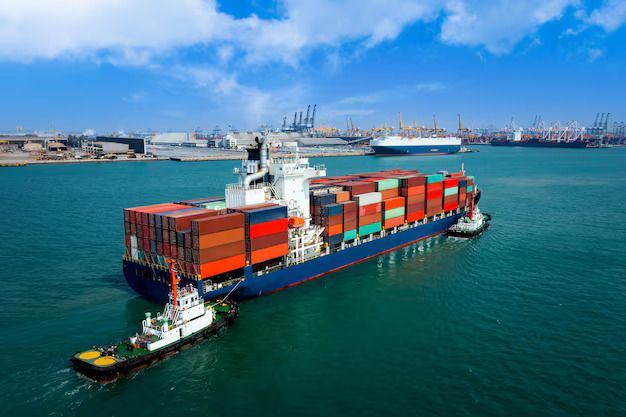
International shipments entering or leaving Australia must pass through customs procedures before they can move through the supply chain. These procedures help authorities assess goods, verify documentation, collect applicable duties and taxes, and ensure that imported or exported products comply with Australian requirements. For businesses involved in international trade, understanding Customs Clearance Australia is important for preparing shipments correctly and avoiding unnecessary processing complications.
Customs clearance applies to a wide range of commercial goods and can involve several stages depending on the shipment, product type, origin, value, and applicable regulations.
Importance of Customs Documentation
Accurate documentation is one of the fundamental parts of the customs clearance process. Customs authorities require information that allows them to identify and assess imported or exported goods.
Commercial Invoices
Commercial invoices generally contain information such as the seller, buyer, description of goods, quantity, value, and transaction details. Incorrect or incomplete information may lead to additional questions or delays.
Packing Lists
Packing lists provide information about how goods are packaged and can help customs and logistics personnel verify shipment contents.
Transport Documents
Depending on the transportation method, documents such as bills of lading or air waybills may be required to establish shipment details.
Tariff Classification
Goods imported into Australia generally require appropriate tariff classification. Classification involves identifying the correct category for products according to their characteristics and relevant customs rules.
Why Classification Matters
Tariff classification can influence the amount of customs duty payable and may also determine whether specific import restrictions, permits, or other requirements apply.
Incorrect classification can result in customs enquiries, reassessment, additional costs, or delays. Businesses should therefore ensure that product information is sufficiently detailed to support accurate classification.
Customs Duties and Taxes
Imported goods may be subject to customs duties, Goods and Services Tax (GST), and other applicable charges. The amount payable can depend on factors such as the type and value of goods, their country of origin, and applicable trade arrangements.
Understanding Customs Value
The customs value of goods is relevant when authorities calculate certain duties and taxes. Businesses should maintain accurate transaction records and supporting documents to establish the value of imported products.
Biosecurity Requirements
Australia has strict biosecurity controls because imported products can potentially introduce pests, diseases, or other risks.
Certain goods, including food, plant materials, animal products, timber, and agricultural items, may be subject to additional requirements.
Inspections and Treatment
Some shipments may be inspected to determine whether they meet Australian biosecurity requirements. Depending on the goods and circumstances, treatment, additional documentation, or other measures may be necessary.
Preparing relevant information before shipment can help businesses understand whether additional biosecurity requirements apply.
Restricted and Controlled Goods
Not every product can be imported into Australia without additional approval. Certain goods may be prohibited or controlled under Australian legislation.
Examples can include particular medicines, weapons, chemicals, wildlife products, and other regulated items.
Permits and Approvals
Where an import permit or approval is required, it may need to be obtained before the goods arrive. Businesses should determine applicable requirements in advance rather than waiting until a shipment reaches the border.
The Role of Customs Brokers
Businesses may use customs brokers to assist with customs-related procedures. A customs broker can help prepare declarations, classify goods, review documentation, and communicate information required for customs processing.
However, importers and exporters remain responsible for ensuring that information supplied about their goods is accurate and complete.
Common Causes of Clearance Delays
Several issues can contribute to customs processing delays.
Incomplete Documentation
Missing invoices, incorrect product descriptions, or inconsistent shipment information can result in additional enquiries.
Incorrect Classification
An unsuitable tariff classification can require reassessment and may delay the release of goods.
Missing Permits
Regulated products may require specific approvals or documentation before they can be cleared.
Biosecurity Concerns
Goods that require inspection or treatment may take longer to process depending on the circumstances.
Preparing for Efficient Customs Clearance
Businesses can take several practical steps before shipping goods internationally.
Prepare complete commercial documentation.
Provide accurate product descriptions.
Confirm tariff classifications.
Check applicable duties and taxes.
Identify biosecurity requirements.
Determine whether permits are required.
Maintain accurate transaction and shipment records.
Review Australian import requirements before dispatch.
These steps can help reduce avoidable documentation problems and provide customs authorities with the information required to assess shipments.
Conclusion
Customs clearance is an important part of Australia's international trade system. It involves documentation, tariff classification, valuation, duties, taxes, biosecurity controls, and compliance with restrictions applicable to particular goods.
A clear understanding of Customs Clearance Australia requirements can help businesses prepare international shipments more effectively. Accurate information, complete documentation, appropriate classification, and advance consideration of permits and biosecurity requirements can reduce potential complications during the customs process.