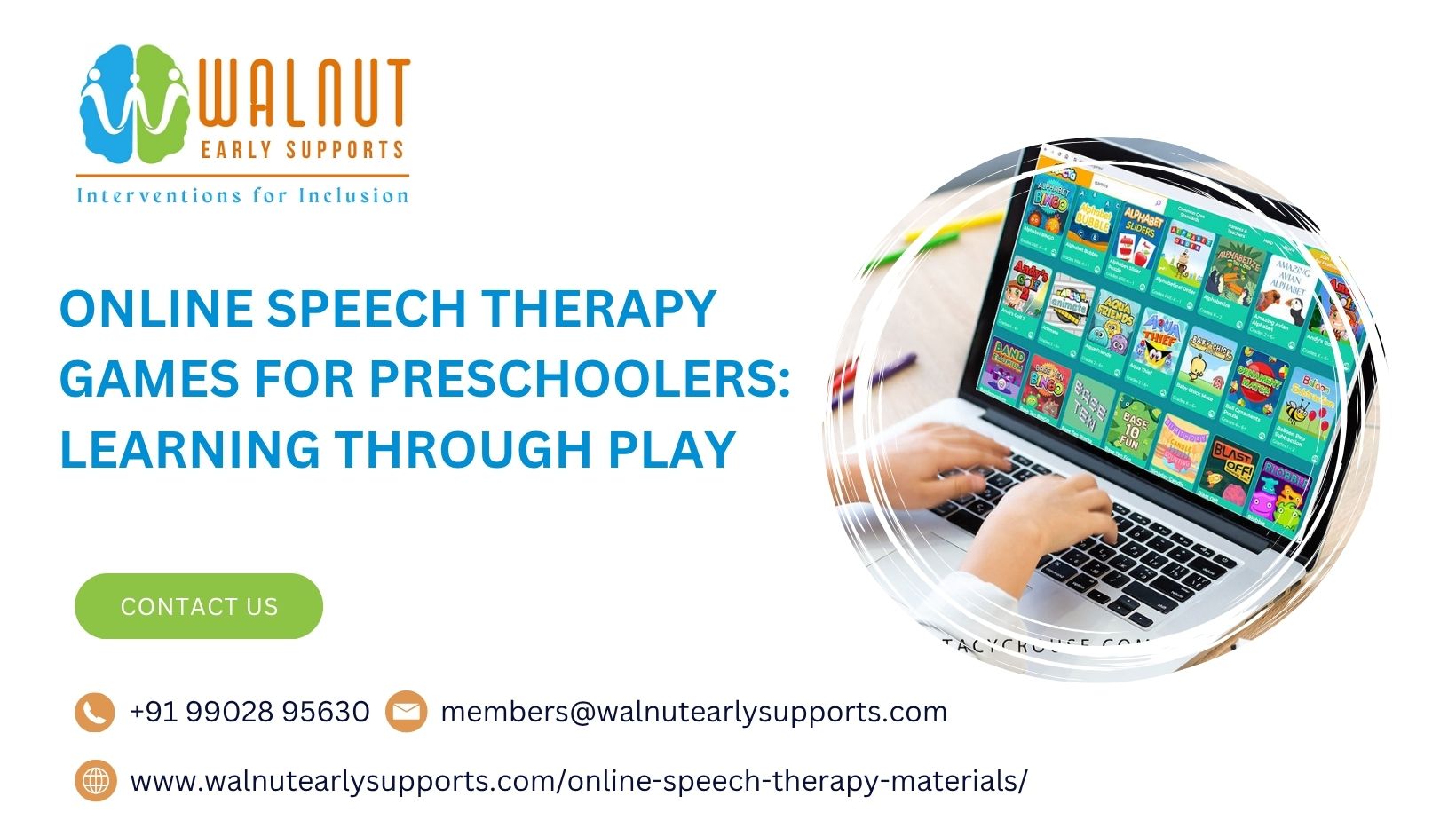
The preschool years are an important time for communication and early learning. Children are learning new words, forming sentences, following directions, answering questions, and participating in conversations. Making these skills part of play can help children practice communication without feeling like they are completing a formal lesson.
Interactive digital activities can add variety to this learning experience. Online Speech Therapy Games can provide opportunities to practice vocabulary, listening, sentence building, and early communication skills through pictures, sounds, stories, and simple challenges. When used alongside real-world interaction, they can be a useful addition to a child's learning routine.
Why Learning Through Play Works
Play gives children a reason to communicate. They ask for objects, describe what they are doing, respond to questions, and interact with others. This natural communication creates meaningful opportunities to practice language.
Games can add another layer by giving children structured tasks while keeping the experience enjoyable. A preschooler may be more willing to practice a new word when it is part of a picture-matching game than when asked to repeat the word several times.
Digital games should complement, rather than replace, face-to-face communication, hands-on play, reading, and professional speech-language support when needed.
1. Build Vocabulary With Picture Games
Preschoolers can learn vocabulary through colorful pictures of familiar objects, animals, foods, clothing, and places.
A game might ask the child to identify a picture or match an object with its name. Parents can extend the activity by asking questions such as, “What does it do?” or “Where can we find it?”
This gives children opportunities to use new words in meaningful conversations.
2. Practice Following Directions
Following directions is an important communication skill for preschoolers. Simple interactive tasks can encourage children to listen carefully and respond.
Online speech therapy activities may ask children to follow one-step directions before gradually introducing more complex instructions.
For example, a game might ask a child to find a red ball or place an animal in a specific location. Parents can use similar directions during everyday play to reinforce the skill.
3. Encourage Sentence Building
Preschoolers are gradually moving from short phrases toward longer and more detailed sentences. Interactive games can provide pictures that encourage children to describe actions or create simple sentences.
For example, a picture showing a boy riding a bicycle can encourage the child to say, “The boy is riding a bicycle.”
Adults can expand the child's response by adding information such as where the boy is riding or what color the bicycle is.
4. Make Learning Interactive
Children learn actively when they make choices, respond to questions, and try different answers. Speech Therapy Games for Preschoolers can use these elements to keep children involved.
Instead of simply watching a video, children can identify pictures, answer questions, complete patterns, or solve simple language challenges.
The adult's role remains important. Talking with the child about the game can turn a short digital activity into a broader communication experience.
5. Develop Early Language Skills Through Games
Language development games can target different skills depending on a child's needs. Some activities focus on naming, while others support describing, categorizing, listening, or answering questions.
A game about animals, for example, can introduce names, sounds, actions, and descriptive words. Afterward, parents can continue the conversation by asking which animal the child likes and why.
This connection between digital play and everyday conversation can make learning more meaningful.
6. Connect Language With Early Reading
Preschoolers are also beginning to develop early literacy skills. Talking about pictures, listening to stories, identifying familiar words, and answering questions can support language and early reading development.
reading intervention resources can be useful for children who need additional support with early literacy skills. Activities should be selected according to the child's age and current abilities.
Parents can make a simple digital story more interactive by asking the child to describe characters, predict what will happen next, or retell the story afterward.
7. Use Digital Resources Alongside Hands-On Activities
Digital speech therapy materials can provide convenient activities for home or therapy settings. However, preschoolers also benefit from physical play and real-world experiences.
If a digital activity teaches food vocabulary, parents can continue the lesson while preparing a snack. If the game focuses on animals, children can use toy animals for pretend play.
This approach helps children understand that words are useful beyond the screen.
8. Choose Age-Appropriate Resources
Parents and educators should choose resources with clear learning goals, simple instructions, and content that matches the child's developmental level.
Language Therapy Resources and speech and language therapy resources can provide structured ideas for supporting communication. When a child has specific speech or language difficulties, guidance from a qualified speech-language professional can help families choose appropriate activities.
Traditional speech therapy activities such as storytelling, pretend play, picture description, and conversation should continue alongside digital learning.
Make Screen Time Meaningful
Online Speech Therapy Games can make preschool language practice more engaging by combining learning with play. They can provide structured opportunities to work on vocabulary, listening, sentence building, and communication.
The goal should not be simply to increase screen time. Instead, use digital activities as a starting point for conversation and hands-on learning.
For families and professionals looking for structured resources, Walnut Early Supports provides materials designed to support children's communication, learning, and developmental needs.
With the right balance of interactive games, real-world play, books, and conversation, preschoolers can practice communication skills in an enjoyable and meaningful way.