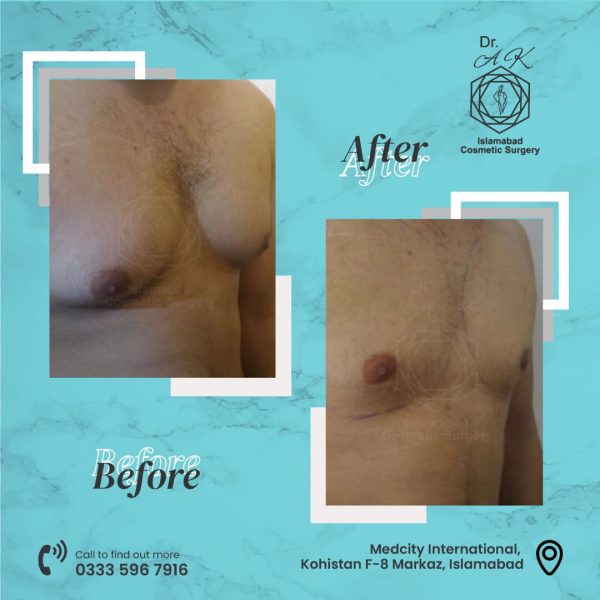
Gynecomastia is a condition that causes enlarged breast tissue in males. It can affect one side of the chest or both sides and may develop because of hormonal changes, weight gain, certain medicines, or other factors.
For some men, gynecomastia may improve naturally. For others, the enlarged chest remains for a long time and can affect confidence, clothing choices, and daily comfort. When the condition continues and becomes a concern, surgery may be considered.
But surgery is not automatically suitable for every person with an enlarged chest. A proper consultation is needed to determine whether a patient is a good candidate.
If you are considering gynecomastia surgery in Islamabad, understanding the qualities of a suitable candidate can help you prepare for your consultation. This article explains the main factors that a qualified medical professional may consider before recommending surgery.
What Is Gynecomastia Surgery?
Gynecomastia surgery is a procedure designed to reduce excess male breast tissue and improve the overall shape of the chest.
The enlarged appearance can result from glandular breast tissue, excess fat, or a combination of both. The treatment method depends on the individual condition.
Liposuction may be considered when excess fat contributes to the chest enlargement. If firm glandular tissue is present, direct removal may be needed. Some patients may require a combination of approaches.
The goal is to create a flatter and more balanced chest while considering the patient's natural body shape.
Who Can Be a Good Candidate?
A good candidate is generally someone whose gynecomastia has remained stable, who is in suitable general health, and who has realistic expectations about the procedure.
The decision is not based on age or chest size alone. A medical professional needs to evaluate the patient's health, medical history, tissue type, skin quality, weight, and personal goals.
If you are unsure whether you are suitable for surgery, an individual consultation is the best way to find out.
Men With Persistent Gynecomastia
One important factor is how long the condition has been present.
Gynecomastia can sometimes occur temporarily, especially during puberty. In some cases, the enlargement decreases naturally as hormone levels change.
However, if the condition remains for a long period and does not improve, surgery may be discussed as a treatment option.
Patients with persistent chest enlargement may benefit from an evaluation to determine whether surgical treatment is appropriate.
Patients Who Are in Good General Health
Good general health is important before any surgical procedure.
During the consultation, the medical professional may ask about your current health, previous surgeries, medical conditions, allergies, and medicines.
Certain health problems may require additional evaluation before surgery. In some cases, the procedure may need to be delayed until a health issue is better controlled.
Being generally healthy can support a safer surgical and recovery process.
Patients With a Stable Weight
Weight can affect the appearance of the chest.
If a person is significantly overweight, excess body fat may contribute to the enlarged appearance. In such cases, improving overall weight and fitness may be recommended before considering surgery.
A stable weight can make treatment planning easier and may help the surgeon understand how much of the chest enlargement is caused by fat and how much is related to glandular tissue.
This does not mean that every patient must reach a specific weight before surgery. The appropriate goal depends on individual health and body structure.
Patients Who Have Realistic Expectations
Having realistic expectations is one of the most important parts of being a good candidate.
Gynecomastia surgery can improve the shape and contour of the chest, but it cannot guarantee a perfectly symmetrical or completely specific appearance.
Every person's body is different. Skin elasticity, chest structure, tissue amount, healing, and natural asymmetry can affect the final result.
A suitable candidate understands that the purpose of treatment is improvement rather than creating an unrealistic body shape.
Patients Who Are Uncomfortable With Their Chest
Gynecomastia can affect confidence in different ways.
Some men may feel uncomfortable wearing fitted shirts. Others may avoid swimming, changing rooms, sports activities, or social situations because they are worried about how their chest looks.
If the condition has a lasting effect on your confidence or daily life, you may want to discuss treatment with a qualified medical professional.
The decision should be based on your own feelings and goals rather than pressure from family, friends, or society.
Patients Who Have Tried Appropriate Non-Surgical Approaches
Some patients may first try lifestyle changes to improve their chest appearance.
Regular exercise and healthy eating can help reduce overall body fat. This may improve the chest appearance when excess fat is a major factor.
However, exercise cannot directly remove firm glandular breast tissue. If a patient reaches a stable weight and still has noticeable glandular tissue, surgery may be considered.
A consultation can help determine whether surgery is the next suitable step.
Patients With Excess Glandular Tissue
Some men have firm tissue beneath the nipple area. This tissue may remain even when the person has a healthy body weight.
If the enlargement is mainly caused by glandular tissue and has remained stable, surgical removal may be discussed.
The surgeon examines the chest to determine the amount and location of the tissue and then explains the possible treatment approach.
Not every patient with glandular tissue needs surgery. The decision depends on symptoms, appearance, personal goals, and medical suitability.
Patients With Excess Chest Fat
Some patients have excess fat around the chest rather than a large amount of glandular tissue.
When this is the main reason for the enlarged appearance, liposuction may be considered.
However, it is important to understand the difference between gynecomastia and excess body fat. A physical examination can help determine what is contributing to the chest appearance.
If the patient has both excess fat and glandular tissue, a combination of treatment methods may be considered.
Patients With Good Skin Quality
Skin elasticity can influence the final chest contour.
When the skin is flexible, it may adjust to the reduced tissue volume after treatment. However, patients with significant loose skin may need a different approach.
During the consultation, the surgeon evaluates the skin and explains what can realistically be achieved.
Factors such as age, previous weight changes, and the amount of tissue being removed can influence skin appearance.
Patients Who Understand the Recovery Process
A good candidate should be prepared for the recovery period.
After surgery, swelling, bruising, tenderness, and temporary changes in sensation can occur. A compression garment may also be recommended during the healing period.
Patients may need to avoid heavy lifting and intense exercise for some time. The exact recovery period depends on the procedure and the individual's healing process.
Understanding these restrictions before surgery can help patients prepare properly.
Patients Who Can Follow Aftercare Instructions
Following aftercare instructions is an important part of achieving a good recovery.
Patients may receive instructions about wound care, medicines, bathing, compression garments, physical activity, sleeping positions, and follow-up visits.
A suitable candidate should be willing to follow these instructions carefully.
Ignoring aftercare guidance or returning to strenuous activities too early can interfere with healing.
Patients Who Have Been Properly Evaluated
A consultation is essential before deciding on surgery.
The medical professional may examine the chest, review your health history, discuss possible causes, and determine whether additional tests are necessary.
This evaluation helps identify whether the enlarged chest is caused by glandular tissue, excess fat, or another condition.
If an underlying medical issue is suspected, it may need to be addressed before surgery.
Patients Who Understand the Possible Risks
Every surgical procedure has possible risks.
Gynecomastia surgery can involve risks such as infection, bleeding, scarring, swelling, changes in sensation, uneven contours, or the possibility of additional treatment.
Understanding these risks does not mean that complications will occur. It means that the patient has received enough information to make an informed decision.
During the consultation, ask questions about the possible risks and how they are managed.
Age and Gynecomastia Surgery
Age can be an important consideration.
Teenagers can develop gynecomastia during puberty because of temporary hormonal changes. In many cases, the condition improves as puberty progresses.
For this reason, surgery may not be immediately recommended for every teenager.
Adults with long-lasting gynecomastia may be more likely to consider surgery if the condition is stable and causes ongoing concerns.
The appropriate timing depends on the individual patient and should be determined by a qualified medical professional.
When Surgery May Need to Be Delayed
Not everyone who wants surgery is ready to have it immediately.
Surgery may need to be delayed if the patient has an uncontrolled medical condition, significant weight changes, or another issue that could affect safety or recovery.
If the chest enlargement may be related to an underlying medical problem, that issue may also need to be investigated first.
A delay does not necessarily mean that surgery will never be possible. It may simply mean that additional preparation is needed.
Why a Personal Consultation Matters
Online information can help you learn about gynecomastia, but it cannot determine whether you personally need surgery.
Each patient has a different body structure and medical history. A physical examination allows the medical professional to assess the chest directly and provide more relevant advice.
During a consultation, you can also discuss your goals and ask questions about the procedure, recovery, risks, and expected results.
This makes the consultation an important part of deciding whether gynecomastia surgery in Islamabad is right for you.
How Treatment Can Be Personalized
There is no single surgical method that is ideal for every patient.
The treatment plan may depend on whether the chest enlargement is caused by fat, glandular tissue, or both. Skin quality and chest symmetry may also affect the approach.
Some patients may need liposuction, while others may need glandular tissue removal. In certain cases, both techniques may be used.
Personalized planning helps the medical professional focus on the patient's actual condition.
What Should You Ask Before Surgery?
Before deciding to have surgery, ask clear questions about your treatment.
You can ask whether you are a suitable candidate, what is causing your chest enlargement, which technique may be recommended, how long recovery may take, and what results you can realistically expect.
You can also ask about possible risks, scars, anesthesia, aftercare, physical activity restrictions, and the total treatment cost.
Understanding these details can help you make a confident and informed decision.
Final Thoughts
A good candidate for gynecomastia surgery is usually someone with persistent chest enlargement who is in suitable general health, has a stable condition and weight, understands the recovery process, and has realistic expectations.