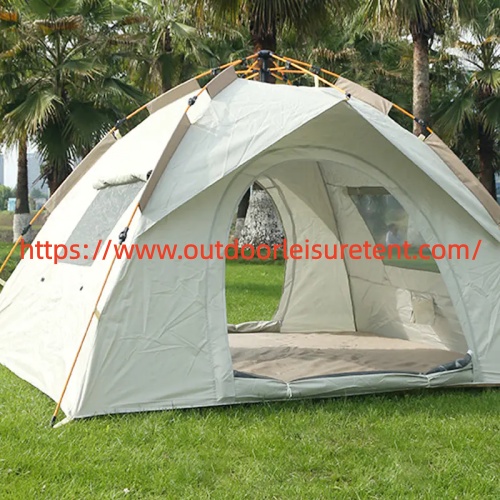
Sunshade Beach Tents need thoughtful structural details when they are used in coastal areas where wind can change throughout the day. Loose sand offers less resistance than firm soil, while open shorelines provide few natural barriers against moving air. Buyers should therefore look beyond fabric appearance and consider anchoring, frame connections, guy lines, ventilation, and setup procedures together. Recent guidance on beach shelter stability also highlights sand specific anchors and properly tensioned guy lines as important considerations for windy conditions.
The ground is one of the first things to consider. Standard narrow stakes may not hold well in loose sand because the surrounding grains can shift when upward or sideways force is applied. Wider sand stakes, screw style anchors, sand pockets, or buried deadman anchors can provide alternative solutions. The appropriate choice depends on the ground condition and product design.
Anchor placement also matters. A shelter can become unstable when only one or two connection points carry the wind load. Using the available anchor points helps distribute tension around the structure. Guy lines should extend outward from the frame and remain evenly adjusted. If one side is noticeably tighter than another, the frame can experience uneven forces when the wind direction changes.
Sand pockets can be particularly practical for beach use because they use material already available at the location. Once filled and positioned correctly, they add weight close to the base. Some designs also allow additional anchors to be connected to the corners or guy line points. This gives retailers different ways to prepare a product for areas where loose sand makes conventional staking difficult.
The shape of the shelter can influence how air moves around it. A large uninterrupted fabric surface can receive considerable pressure when wind reaches it directly. Ventilation openings can help air pass through rather than allowing pressure to build inside enclosed areas. This is useful for comfort as well as stability. However, ventilation panels should be designed with suitable coverage so airflow does not unnecessarily reduce protection from sun and weather.
Frame construction deserves attention too. Connections between poles, joints, hubs, and fabric attachment points experience repeated movement when gusts arrive. Buyers should inspect how these components are connected and whether replacement parts are available. A modular structure can also make maintenance easier when a particular component becomes worn after repeated outdoor use.
Fabric tension is another small detail that can affect the overall experience. Loose fabric may flap repeatedly in moving air, while excessive tension can place unnecessary stress on attachment points. A balanced setup allows the material to remain properly positioned while giving the structure enough flexibility to respond to changing conditions.
Setup instructions should be easy to follow. Beach users may not have technical experience, and many customers want a shelter that can be prepared without complicated procedures. Clear guidance on anchor placement, guy line positioning, frame assembly, and packing can reduce setup mistakes. Retailers can also benefit when staff can explain the process quickly to customers.
Mansen considers these practical factors when developing outdoor shade products for different customer groups. Retailers can evaluate frame configuration, material choices, anchor accessories, dimensions, and packing requirements according to the environments where their customers are likely to use them.
Portability is another consideration for beach products. Customers often carry shelters together with chairs, coolers, towels, toys, and other equipment. A design that packs into a manageable size can make transportation easier. Retailers should compare packed dimensions and product weight alongside the installed size because both affect the purchasing experience.
Wind conditions should also influence how products are marketed and used. No portable shelter should be treated as suitable for every weather situation. If gusts become stronger than the product instructions allow, users should follow the manufacturer's safety guidance and take the shelter down when necessary. Current beach shelter guidance recommends monitoring changing conditions and checking anchors throughout use.
For retailers, a practical product range can include configurations suited to family beach days, resort areas, rental operations, outdoor events, and casual leisure use. These customers may have different expectations regarding size, portability, appearance, accessories, and setup time. Matching specifications with the actual market can make purchasing decisions more straightforward.
A manufacturer can also help retailers consider customization needs such as colors, logos, packaging, accessory combinations, and product dimensions. These details can make a product range more suitable for particular sales channels without changing the basic purpose of the shelter.
Mansen focuses on combining practical construction with flexible product options, giving retailers room to select configurations according to different beach environments and customer requirements. Buyers can review available outdoor products, product details, and related options at https://www.outdoorleisuretent.com/ when planning future beach leisure ranges.