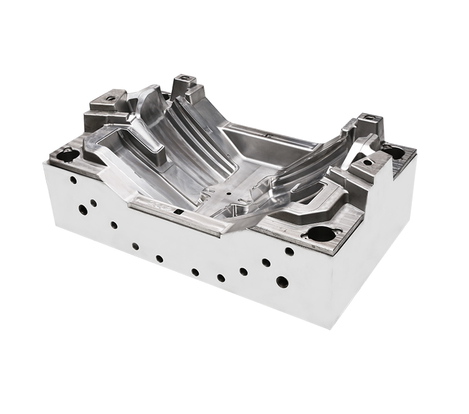
BMC Mold is designed for producing components from Bulk Molding Compound, a thermoset composite material commonly made from resin, glass fibers, mineral fillers, pigments, and additives. Unlike thermoplastics that can be reheated and reshaped, BMC cures through a chemical reaction under heat and pressure. This difference creates specific requirements for the molding process, particularly for mold structure, temperature control, and cavity design.
A typical BMC Mold contains a cavity shaped according to the finished component. During production, a measured amount of BMC material is placed into the mold, and the mold closes under pressure. Heat causes the compound to soften and flow into the cavity before the resin system cures. Once the curing stage is complete, the molded component can be removed from the cavity.
Mold geometry has a direct influence on material flow. BMC contains reinforcing fibers and mineral fillers, so the compound does not behave exactly like a simple liquid resin. Runners, gates, corners, ribs, and thin sections need to be considered during mold design. Poorly planned flow paths can lead to incomplete filling or uneven material distribution.
A BMC Mold can also include several cavities when production requirements call for multiple components in one molding cycle. Multi-cavity designs can increase the number of parts produced per cycle, but they require balanced filling conditions. Each cavity should receive a suitable amount of material within the intended process window.
Temperature control is another important feature. BMC curing depends on heat, so the mold needs a suitable heating arrangement. Heating channels or other temperature-control structures can be integrated into the mold according to its design. Uniform temperature distribution helps create consistent curing conditions across the cavity.
BMC molds are used for components in electrical equipment, automotive systems, appliances, industrial products, and other applications that require molded composite parts. Their designs can include holes, ribs, grooves, mounting points, and other functional features, reducing the need for additional forming operations.
The value of a BMC Mold comes from how effectively its cavity, heating system, flow paths, and ejection structure work together. A well-planned mold can turn a complex thermoset molding process into a controlled and repeatable production operation.