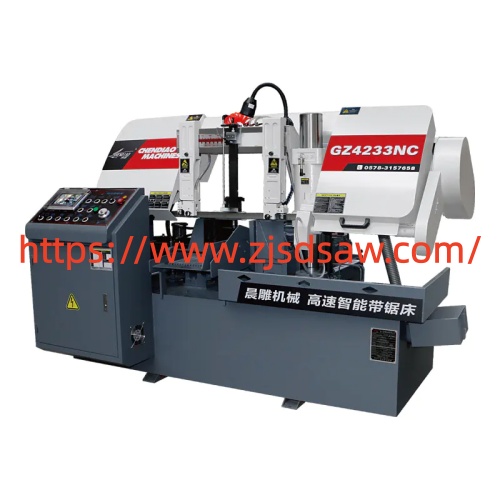
Fully Automatic Metal Cutting Band Saw Machine purchase decisions rest on matching capacity control options and structural details to the actual workload patterns found in fabrication environments. Buyers start by confirming the maximum round square and rectangular sizes the unit can process because these numbers determine whether common stock will fit without repeated repositioning. A working range that covers the largest frequent pieces while still leaving room for future growth avoids the need for early replacement.
Control layout forms the next practical checkpoint. A clear screen that stores multiple job lists with length and quantity data lets operators load material once and walk away for complete sequences. Memory depth that accepts varied programs reduces the time spent re entering data when orders shift during a shift. Simple navigation also lowers the learning curve for new staff.
Indexing accuracy and remnant length directly affect material yield. Systems that position stock within tight tolerances and leave only a short unused end help shops stretch expensive alloy bars further. Automatic kerf compensation removes manual calculation steps and keeps finished lengths consistent across large batches.
Frame construction influences long term stability. Dual column or heavily reinforced designs limit vibration when denser workpieces pass through the cycle. Reduced movement supports straighter paths and extends the service life of guides and related components.
Blade related systems deserve equal attention. Effective tension control keeps tracking true while load sensing that adjusts feed rate protects teeth when resistance changes mid cycle. Chip brushes and directed coolant flow maintain a clean cut zone and slow heat buildup that can shorten blade life.
Clamping arrangements expand the types of stock that can be handled. Full stroke vises that grip both solid bars and bundles securely prevent movement during the process and allow mixed loads without frequent jaw changes. Top clamps add security for hollow or irregular sections.
Safety and access features round out the evaluation. Enclosed guards interlocks and automatic stop functions protect operators while the unit continues through programmed sequences. Easy reach points for fluid checks guide inspection and blade changes keep routine care quick and limit unplanned interruptions.
Power delivery and speed range should match the alloys processed most often. Variable drives that cover the needed surface speed window allow one unit to move between mild grades stainless and harder alloys without constant setup changes. Energy use and noise output also factor into daily operating costs and workplace comfort.
Chendiao approaches these checkpoints with designs focused on practical shop requirements. The company builds units that emphasize clear programming durable frames and features that support both accuracy and continuous throughput.
Compare actual cycle times remnant results and setup duration against your typical mix of orders. Arrange demonstration runs on representative materials and review the control screens with the people who will operate the equipment each day. Confirm spare part availability and service coverage so any future needs can be addressed without long delays.
These points together give buyers a clear checklist for selecting equipment that integrates into existing lines and delivers steady results over repeated shifts.
Review available models and full specifications at https://www.zjsdsaw.com/ to match the features discussed with current production requirements.