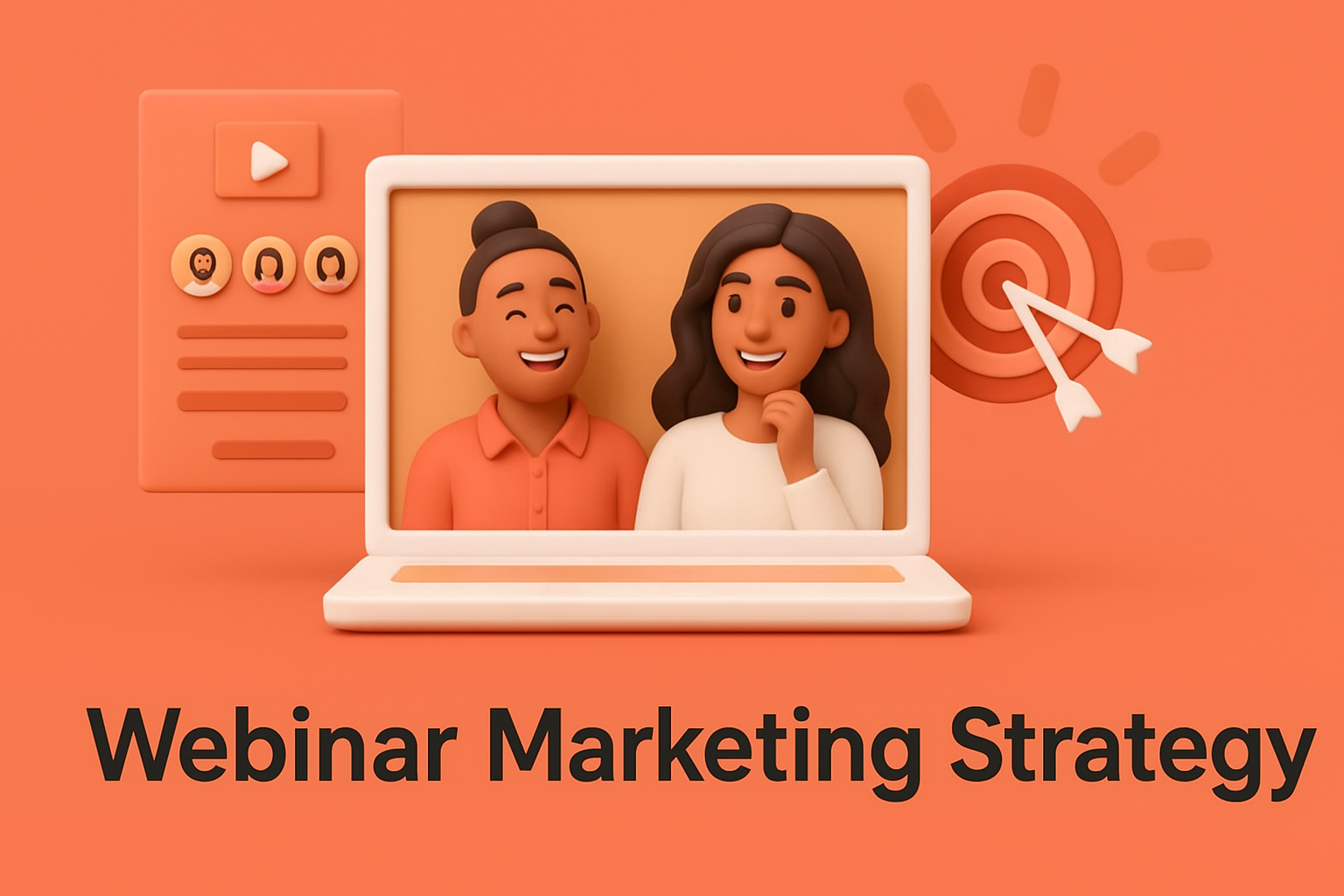
• In the modern B2B landscape, effective demand generation is essential for driving growth, nurturing customer relationships, and filling the sales pipeline with qualified leads. It’s not just about attracting attention—it’s about creating genuine interest and guiding prospects through a well-structured journey toward conversion.

    1. Understand Your Audience
    The foundation of any demand generation strategy is a deep understanding of your target audience. Define buyer personas based on demographics, behaviors, challenges, and goals. This clarity helps tailor your messaging, ensuring it resonates with the right decision-makers at the right time.

    2. Create High-Value Content
    Content is the cornerstone of demand generation. From educational blog posts and eBooks to webinars and case studies, every piece should provide value and establish your brand as a trusted authority. Address pain points, share solutions, and demonstrate thought leadership to build credibility.

    3. Leverage Multi-Channel Marketing
    An effective strategy combines multiple touchpoints—email, social media, paid advertising, SEO, and events. By diversifying your channels, you maximize reach and maintain consistent engagement across the buyer’s journey. Ensure your messaging remains unified to strengthen brand identity.

    4. Implement Marketing Automation and Lead Nurturing
    Use marketing automation tools to streamline lead capture, scoring, and nurturing. Personalized drip campaigns help maintain engagement and move prospects through the funnel based on their behavior and interests.

    5. Measure and Optimize
    Data is your greatest ally. Track metrics such as conversion rates, cost per lead, and pipeline contribution. Use these insights to identify what works—and refine what doesn’t. Continuous optimization ensures long-term success.

    Ready to Elevate Your Demand Generation?
    Empower your marketing and sales teams with a strategy that delivers measurable impact. Contact us today to build a customized demand generation program that drives awareness, engagement, and revenue growth.

    #DemandGeneration #B2BMarketing #LeadGeneration #MarketingStrategy #DigitalMarketing #ContentMarketing #RevenueGrowth #ABM #GrowthStrategy #CustomerEngagement
    In the modern B2B landscape, effective demand generation is essential for driving growth, nurturing customer relationships, and filling the sales pipeline with qualified leads. It’s not just about attracting attention—it’s about creating genuine interest and guiding prospects through a well-structured journey toward conversion. 1. Understand Your Audience The foundation of any demand generation strategy is a deep understanding of your target audience. Define buyer personas based on demographics, behaviors, challenges, and goals. This clarity helps tailor your messaging, ensuring it resonates with the right decision-makers at the right time. 2. Create High-Value Content Content is the cornerstone of demand generation. From educational blog posts and eBooks to webinars and case studies, every piece should provide value and establish your brand as a trusted authority. Address pain points, share solutions, and demonstrate thought leadership to build credibility. 3. Leverage Multi-Channel Marketing An effective strategy combines multiple touchpoints—email, social media, paid advertising, SEO, and events. By diversifying your channels, you maximize reach and maintain consistent engagement across the buyer’s journey. Ensure your messaging remains unified to strengthen brand identity. 4. Implement Marketing Automation and Lead Nurturing Use marketing automation tools to streamline lead capture, scoring, and nurturing. Personalized drip campaigns help maintain engagement and move prospects through the funnel based on their behavior and interests. 5. Measure and Optimize Data is your greatest ally. Track metrics such as conversion rates, cost per lead, and pipeline contribution. Use these insights to identify what works—and refine what doesn’t. Continuous optimization ensures long-term success. Ready to Elevate Your Demand Generation? Empower your marketing and sales teams with a strategy that delivers measurable impact. Contact us today to build a customized demand generation program that drives awareness, engagement, and revenue growth. #DemandGeneration #B2BMarketing #LeadGeneration #MarketingStrategy #DigitalMarketing #ContentMarketing #RevenueGrowth #ABM #GrowthStrategy #CustomerEngagement
    0 Комментарии 0 Поделились
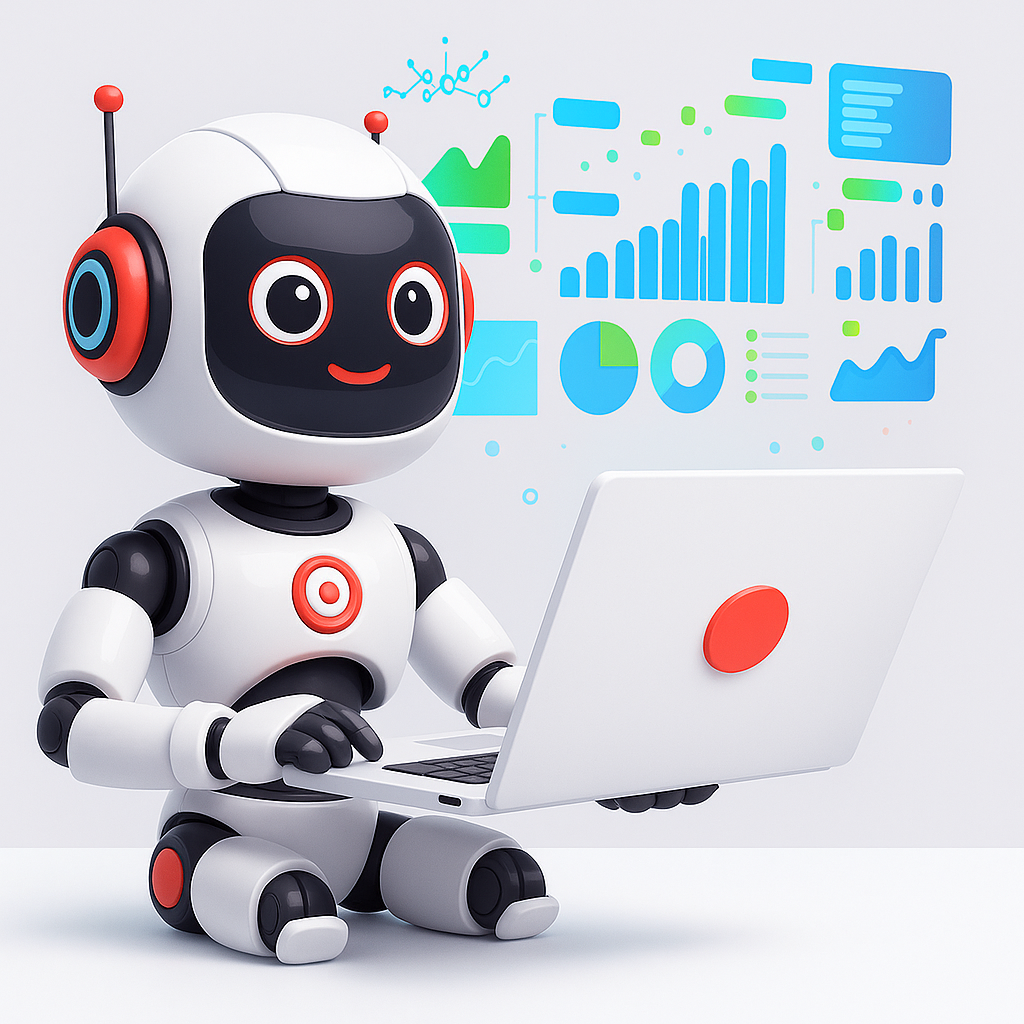
  • When will AI bots start managing entire B2B nurture sequences autonomously?

    The B2B marketing landscape is evolving faster than ever. What once took teams of marketers, data analysts, and SDRs is now being streamlined by AI-powered automation. But a new frontier is emerging — one where AI bots don’t just assist in lead nurturing; they manage the entire process autonomously.
    So the real question isn’t if this will happen — it’s when.
    1. The Evolution Toward Full Autonomy
    Today, most B2B nurture sequences rely on human-defined workflows: marketers set triggers, schedule follow-ups, and manually adjust campaigns. AI already assists with optimization — analyzing performance, personalizing emails, or predicting conversion points.
    But we’re now entering the next phase: autonomous nurture orchestration, where AI bots:
    • Identify leads from multiple data sources
    • Craft tailored, multi-touch messages
    • Choose the best communication channels (email, LinkedIn, chat, ads)
    • Adjust timing and tone based on engagement behavior
    • Hand off high-intent leads to sales — automatically
    This is no longer science fiction — it’s the logical progression of current AI capabilities.
    2. The Building Blocks Are Already Here
    a. Predictive Lead Scoring
    AI models are now sophisticated enough to rank leads dynamically based on real-time behavior and historical data. They understand who’s most likely to convert before a human ever looks at the CRM.
    b. Generative Personalization
    Large Language Models (LLMs) like GPT-5 can generate customized messages for each lead — reflecting tone, industry, and buyer stage — without sounding robotic. This means every prospect can receive content that feels written just for them.
    c. Multi-Channel Automation
    AI tools can already synchronize messages across email, social, and in-app platforms. In 2025, we’re seeing early versions of AI-driven campaign managers that autonomously test variations, adjust messaging frequency, and route prospects between channels based on engagement.
    d. Adaptive Learning Systems
    Machine learning enables AI to analyze campaign outcomes and continuously improve its decisions — fine-tuning subject lines, sequencing order, and even budget allocation without human intervention.
    3. The Timeline: From Assisted to Autonomous
    • 2024–2025: AI copilots (like HubSpot AI and Salesforce Einstein) assist marketers by suggesting nurture flows, writing content, and analyzing engagement data.
    • 2026–2027: Advanced AI agents begin autonomously managing low-risk nurture campaigns — small-scale experiments with limited oversight.
    • 2028 and Beyond: Full-scale autonomous systems emerge, capable of managing complex, multi-channel nurture programs end-to-end — including lead segmentation, A/B testing, and real-time optimization.
    By the end of the decade, human marketers will act more as strategic overseers — defining brand voice, ethics, and high-level goals — while AI bots handle execution, personalization, and performance tuning at scale.
    4. What Still Needs to Happen
    • Trust & Transparency: Marketers must ensure AI-driven communication remains authentic, accurate, and compliant with brand guidelines.
    • Integration Across Stacks: Seamless interoperability between CRMs, automation platforms, and AI systems is crucial.
    • Human Oversight in Key Moments: While AI can nurture, humans still close — emotional intelligence and strategic creativity remain irreplaceable.
    The Bottom Line
    AI bots managing entire B2B nurture sequences autonomously isn’t a distant dream — it’s a 5-year reality. The pieces are already in place: predictive analytics, generative personalization, and self-learning algorithms.
    Soon, “set and forget” won’t mean automated email drips — it’ll mean a fully autonomous AI marketer that can discover, engage, and qualify leads while your team focuses on strategy, creativity, and relationships.
    The future of B2B nurturing isn’t about working harder — it’s about letting AI work smarter.
    Read More: https://intentamplify.com/lead-generation/

    When will AI bots start managing entire B2B nurture sequences autonomously? The B2B marketing landscape is evolving faster than ever. What once took teams of marketers, data analysts, and SDRs is now being streamlined by AI-powered automation. But a new frontier is emerging — one where AI bots don’t just assist in lead nurturing; they manage the entire process autonomously. So the real question isn’t if this will happen — it’s when. 1. The Evolution Toward Full Autonomy Today, most B2B nurture sequences rely on human-defined workflows: marketers set triggers, schedule follow-ups, and manually adjust campaigns. AI already assists with optimization — analyzing performance, personalizing emails, or predicting conversion points. But we’re now entering the next phase: autonomous nurture orchestration, where AI bots: • Identify leads from multiple data sources • Craft tailored, multi-touch messages • Choose the best communication channels (email, LinkedIn, chat, ads) • Adjust timing and tone based on engagement behavior • Hand off high-intent leads to sales — automatically This is no longer science fiction — it’s the logical progression of current AI capabilities. 2. The Building Blocks Are Already Here a. Predictive Lead Scoring AI models are now sophisticated enough to rank leads dynamically based on real-time behavior and historical data. They understand who’s most likely to convert before a human ever looks at the CRM. b. Generative Personalization Large Language Models (LLMs) like GPT-5 can generate customized messages for each lead — reflecting tone, industry, and buyer stage — without sounding robotic. This means every prospect can receive content that feels written just for them. c. Multi-Channel Automation AI tools can already synchronize messages across email, social, and in-app platforms. In 2025, we’re seeing early versions of AI-driven campaign managers that autonomously test variations, adjust messaging frequency, and route prospects between channels based on engagement. d. Adaptive Learning Systems Machine learning enables AI to analyze campaign outcomes and continuously improve its decisions — fine-tuning subject lines, sequencing order, and even budget allocation without human intervention. 3. The Timeline: From Assisted to Autonomous • 2024–2025: AI copilots (like HubSpot AI and Salesforce Einstein) assist marketers by suggesting nurture flows, writing content, and analyzing engagement data. • 2026–2027: Advanced AI agents begin autonomously managing low-risk nurture campaigns — small-scale experiments with limited oversight. • 2028 and Beyond: Full-scale autonomous systems emerge, capable of managing complex, multi-channel nurture programs end-to-end — including lead segmentation, A/B testing, and real-time optimization. By the end of the decade, human marketers will act more as strategic overseers — defining brand voice, ethics, and high-level goals — while AI bots handle execution, personalization, and performance tuning at scale. 4. What Still Needs to Happen • Trust & Transparency: Marketers must ensure AI-driven communication remains authentic, accurate, and compliant with brand guidelines. • Integration Across Stacks: Seamless interoperability between CRMs, automation platforms, and AI systems is crucial. • Human Oversight in Key Moments: While AI can nurture, humans still close — emotional intelligence and strategic creativity remain irreplaceable. The Bottom Line AI bots managing entire B2B nurture sequences autonomously isn’t a distant dream — it’s a 5-year reality. The pieces are already in place: predictive analytics, generative personalization, and self-learning algorithms. Soon, “set and forget” won’t mean automated email drips — it’ll mean a fully autonomous AI marketer that can discover, engage, and qualify leads while your team focuses on strategy, creativity, and relationships. The future of B2B nurturing isn’t about working harder — it’s about letting AI work smarter. Read More: https://intentamplify.com/lead-generation/
    0 Комментарии 0 Поделились
  • Where will AI have the most impact in webinar marketing

    Webinars have become one of the most powerful tools in B2B marketing—bridging education, engagement, and lead generation. Yet, as competition for attention grows, AI is stepping in to make webinars smarter, more personalized, and more predictive. From topic selection to post-event nurturing, AI is transforming every stage of the webinar lifecycle.
    Here’s where AI will have the most impact:
    1. Audience Targeting and Promotion
    AI is redefining how marketers attract the right audience for each webinar.
    • Predictive Targeting: AI analyzes CRM, social, and intent data to identify which contacts are most likely to register and attend.
    • Smart Ad Optimization: AI-driven ad platforms automatically test and refine webinar promotions across LinkedIn, email, and search to boost conversions.
    • Personalized Invitations: Natural Language Generation (NLG) tools can customize outreach emails based on each recipient’s role, industry, and behavior—improving open and click-through rates.
    Impact: Higher registration rates and reduced ad spend through data-driven precision.
    2. Content Creation and Topic Optimization
    AI helps marketers craft sessions that resonate deeply with their target audience.
    • Topic Discovery: AI scans trending topics, competitor events, and search queries to suggest high-demand webinar themes.
    • Speaker Insights: AI tools analyze audience preferences to match speakers and panelists to the right topics or tone.
    • Script & Slide Generation: Generative AI assists with presentation outlines, key talking points, and branded visuals—saving hours in prep time.
    Impact: More relevant, engaging content that attracts the right audience.
    3. Real-Time Engagement During the Webinar
    AI elevates live interactions into personalized experiences.
    • AI Chat Moderation: Intelligent bots can manage Q&A sessions, answer FAQs, and surface the most valuable audience questions for the host.
    • Sentiment Analysis: AI tools track audience engagement and mood in real time—helping hosts adapt delivery or pacing.
    • Dynamic Polling & Recommendations: AI suggests polls or calls-to-action based on live participation trends.
    Impact: Higher engagement and audience satisfaction through adaptive interaction.
    4. Post-Webinar Analysis and Lead Nurturing
    After the event, AI continues to deliver value by turning engagement into actionable insights.
    • Automated Transcripts & Summaries: AI instantly generates event recaps and key takeaways for repurposing into blogs, social posts, or follow-up emails.
    • Lead Scoring: AI ranks attendees based on engagement (questions asked, polls answered, watch time) to identify sales-ready prospects.
    • Predictive Nurturing: AI tailors follow-up sequences to each attendee’s behavior—sending relevant case studies, demos, or event replays.
    Impact: Stronger post-event conversions and better ROI tracking.
    The Bottom Line:
    AI’s biggest impact in webinar marketing comes from personalization and prediction—helping marketers attract the right audience, deliver relevant content, and turn engagement into qualified opportunities. With AI handling optimization and insights, marketers can focus on creativity, storytelling, and relationship-building—the true heart of great webinars.
    Read More: https://intentamplify.com/lead-generation/
    Where will AI have the most impact in webinar marketing Webinars have become one of the most powerful tools in B2B marketing—bridging education, engagement, and lead generation. Yet, as competition for attention grows, AI is stepping in to make webinars smarter, more personalized, and more predictive. From topic selection to post-event nurturing, AI is transforming every stage of the webinar lifecycle. Here’s where AI will have the most impact: 1. Audience Targeting and Promotion AI is redefining how marketers attract the right audience for each webinar. • Predictive Targeting: AI analyzes CRM, social, and intent data to identify which contacts are most likely to register and attend. • Smart Ad Optimization: AI-driven ad platforms automatically test and refine webinar promotions across LinkedIn, email, and search to boost conversions. • Personalized Invitations: Natural Language Generation (NLG) tools can customize outreach emails based on each recipient’s role, industry, and behavior—improving open and click-through rates. Impact: Higher registration rates and reduced ad spend through data-driven precision. 2. Content Creation and Topic Optimization AI helps marketers craft sessions that resonate deeply with their target audience. • Topic Discovery: AI scans trending topics, competitor events, and search queries to suggest high-demand webinar themes. • Speaker Insights: AI tools analyze audience preferences to match speakers and panelists to the right topics or tone. • Script & Slide Generation: Generative AI assists with presentation outlines, key talking points, and branded visuals—saving hours in prep time. Impact: More relevant, engaging content that attracts the right audience. 3. Real-Time Engagement During the Webinar AI elevates live interactions into personalized experiences. • AI Chat Moderation: Intelligent bots can manage Q&A sessions, answer FAQs, and surface the most valuable audience questions for the host. • Sentiment Analysis: AI tools track audience engagement and mood in real time—helping hosts adapt delivery or pacing. • Dynamic Polling & Recommendations: AI suggests polls or calls-to-action based on live participation trends. Impact: Higher engagement and audience satisfaction through adaptive interaction. 4. Post-Webinar Analysis and Lead Nurturing After the event, AI continues to deliver value by turning engagement into actionable insights. • Automated Transcripts & Summaries: AI instantly generates event recaps and key takeaways for repurposing into blogs, social posts, or follow-up emails. • Lead Scoring: AI ranks attendees based on engagement (questions asked, polls answered, watch time) to identify sales-ready prospects. • Predictive Nurturing: AI tailors follow-up sequences to each attendee’s behavior—sending relevant case studies, demos, or event replays. Impact: Stronger post-event conversions and better ROI tracking. The Bottom Line: AI’s biggest impact in webinar marketing comes from personalization and prediction—helping marketers attract the right audience, deliver relevant content, and turn engagement into qualified opportunities. With AI handling optimization and insights, marketers can focus on creativity, storytelling, and relationship-building—the true heart of great webinars. Read More: https://intentamplify.com/lead-generation/
    0 Комментарии 0 Поделились
  • Whom does webinar marketing benefit in the buyer journey: awareness vs consideration vs decision

    Webinars have become one of the most versatile B2B marketing tools, bridging education, engagement, and lead nurturing. But where do they fit in the buyer’s journey—at the top (awareness), middle (consideration), or bottom (decision)? The truth is, webinars can play a role across all three stages, provided the content aligns with buyer intent.
    🔍 𝐇𝐞𝐫𝐞’𝐬 𝐡𝐨𝐰 𝐰𝐞𝐛𝐢𝐧𝐚𝐫𝐬 𝐦𝐚𝐩 𝐭𝐨 𝐞𝐚𝐜𝐡 𝐬𝐭𝐚𝐠𝐞 𝐨𝐟 𝐭𝐡𝐞 𝐟𝐮𝐧𝐧𝐞𝐥:
    ✅ Awareness Stage (Early Exploration)
    • Buyer Behavior: Prospects are just starting to research industry challenges and trends.
    • Webinar Format: Thought leadership sessions, industry trend analyses, educational panels.
    • Value: Establishes brand authority while attracting a wide audience of early-stage prospects.
    • Example: “The Future of AI in Healthcare: Trends to Watch in 2025.”
    ✅ Consideration Stage (Solution Evaluation)
    • Buyer Behavior: Prospects are comparing solutions, researching use cases, and validating approaches.
    • Webinar Format: Case study deep dives, product walkthroughs, expert Q&A sessions.
    • Value: Nurtures leads by demonstrating expertise, highlighting differentiators, and addressing pain points.
    • Example: “How Leading Hospitals Use Predictive Analytics to Reduce Costs.”
    ✅ Decision Stage (Purchase Readiness)
    • Buyer Behavior: Prospects are narrowing vendors and need clear ROI justification.
    • Webinar Format: Product demos, ROI calculators, customer testimonial showcases, panel discussions with clients.
    • Value: Builds confidence in your solution, accelerates sales conversations, and pushes buyers over the finish line.
    • Example: “Live Demo: Cutting Costs by 30% with Our AI-Powered Platform.”
    📌 𝐓𝐡𝐞 𝐁𝐢𝐠 𝐏𝐢𝐜𝐭𝐮𝐫𝐞:
    Webinar marketing isn’t tied to one funnel stage—it’s a multi-stage catalyst. At awareness, it educates. At consideration, it nurtures. At decision, it converts. The key is tailoring content format + message to where the buyer is in their journey.
    Read More: https://intentamplify.com/lead-generation/
    Whom does webinar marketing benefit in the buyer journey: awareness vs consideration vs decision Webinars have become one of the most versatile B2B marketing tools, bridging education, engagement, and lead nurturing. But where do they fit in the buyer’s journey—at the top (awareness), middle (consideration), or bottom (decision)? The truth is, webinars can play a role across all three stages, provided the content aligns with buyer intent. 🔍 𝐇𝐞𝐫𝐞’𝐬 𝐡𝐨𝐰 𝐰𝐞𝐛𝐢𝐧𝐚𝐫𝐬 𝐦𝐚𝐩 𝐭𝐨 𝐞𝐚𝐜𝐡 𝐬𝐭𝐚𝐠𝐞 𝐨𝐟 𝐭𝐡𝐞 𝐟𝐮𝐧𝐧𝐞𝐥: ✅ Awareness Stage (Early Exploration) • Buyer Behavior: Prospects are just starting to research industry challenges and trends. • Webinar Format: Thought leadership sessions, industry trend analyses, educational panels. • Value: Establishes brand authority while attracting a wide audience of early-stage prospects. • Example: “The Future of AI in Healthcare: Trends to Watch in 2025.” ✅ Consideration Stage (Solution Evaluation) • Buyer Behavior: Prospects are comparing solutions, researching use cases, and validating approaches. • Webinar Format: Case study deep dives, product walkthroughs, expert Q&A sessions. • Value: Nurtures leads by demonstrating expertise, highlighting differentiators, and addressing pain points. • Example: “How Leading Hospitals Use Predictive Analytics to Reduce Costs.” ✅ Decision Stage (Purchase Readiness) • Buyer Behavior: Prospects are narrowing vendors and need clear ROI justification. • Webinar Format: Product demos, ROI calculators, customer testimonial showcases, panel discussions with clients. • Value: Builds confidence in your solution, accelerates sales conversations, and pushes buyers over the finish line. • Example: “Live Demo: Cutting Costs by 30% with Our AI-Powered Platform.” 📌 𝐓𝐡𝐞 𝐁𝐢𝐠 𝐏𝐢𝐜𝐭𝐮𝐫𝐞: Webinar marketing isn’t tied to one funnel stage—it’s a multi-stage catalyst. At awareness, it educates. At consideration, it nurtures. At decision, it converts. The key is tailoring content format + message to where the buyer is in their journey. Read More: https://intentamplify.com/lead-generation/
    0 Комментарии 0 Поделились
Нет данных для отображения