The battery is one of the central components of an electric scooter. It stores electrical energy that powers the motor and other electronic systems. Battery capacity, voltage, charging method, and battery management functions all affect how the scooter operates during everyday use.
Lithium battery systems are widely used in electric mobility products because they can provide a practical balance between energy storage and product weight. The specific battery chemistry and configuration should be selected according to the scooter design, operating requirements, and applicable regulations.
Battery capacity is commonly expressed in watt-hours. It can be calculated by multiplying voltage by ampere-hours. A higher energy capacity generally allows more stored energy, but actual riding range also depends on speed, rider load, road conditions, temperature, tire pressure, and riding style.
The battery management system is another important part of an electric scooter. It can monitor conditions such as voltage, temperature, and charging status. Proper battery management can help control the charging and discharging process within the battery system's designed operating range.
The charging system should also match the battery specification. Buyers should review charger voltage, charging current, connector design, charging time, and applicable electrical requirements. Charging equipment should be used according to the manufacturer's instructions.
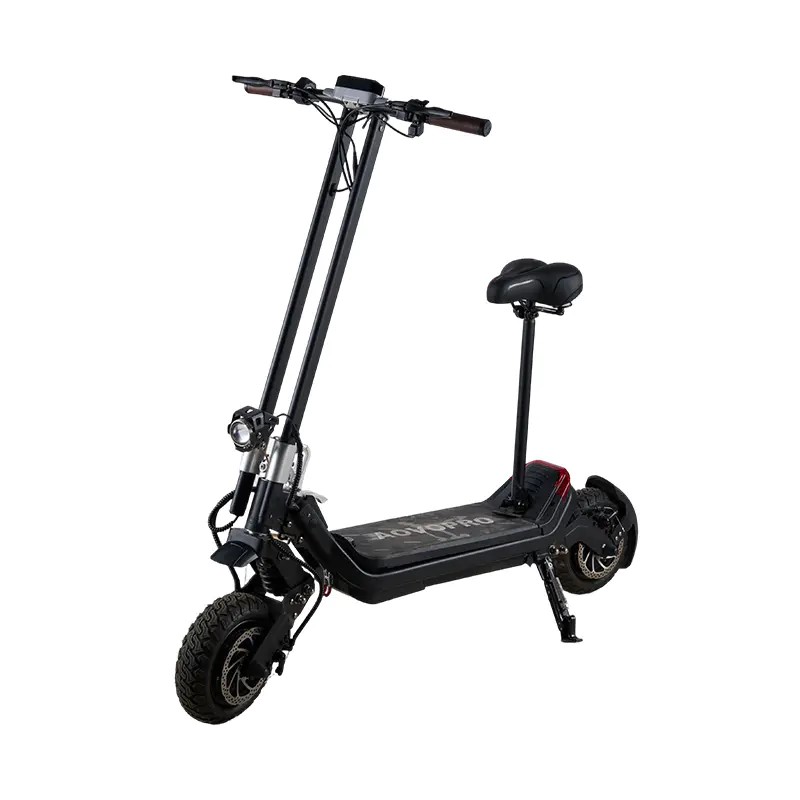
Battery placement can influence scooter structure and weight distribution. Some electric scooters position the battery inside the deck, while other designs use different frame locations. The selected arrangement should provide suitable protection while maintaining a practical riding structure.
Temperature can affect battery behavior. Very hot or cold environments may influence charging and available energy. Storage and charging should follow the product instructions and local safety requirements.
For an electric scooter manufacturer, battery integration involves more than selecting a battery pack. The motor controller, charger, wiring, battery management system, display, and other electrical components need to work together.
Procurement teams should review battery capacity, battery type, certification requirements, charger specifications, charging time, replacement options, and service support when evaluating an electric scooter.
For custom electric scooter projects, buyers may also define battery capacity and charging requirements according to their target market. Sample testing can help verify actual operation before larger production orders.
A properly planned battery system can support practical daily mobility. Buyers who understand battery capacity, charging requirements, electrical integration, and operating conditions can make more informed decisions when sourcing electric scooters.
https://www.zhaoyueguoji.net/product/outdoor-products/electric-outdoor-mobility-devices/