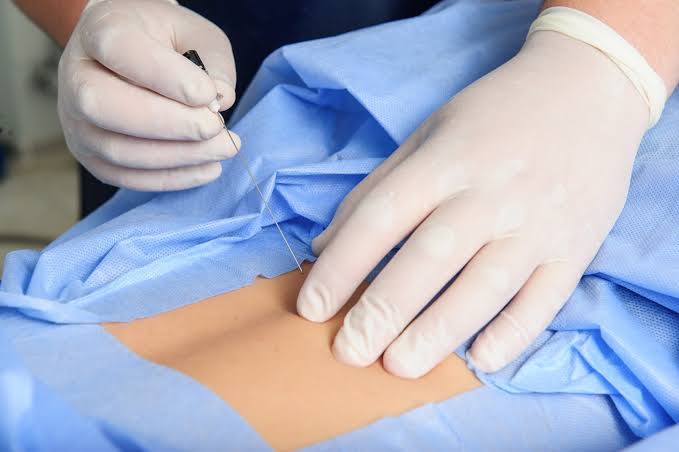
Ongoing knee pain can limit exercise, mobility, work, and quality of life. When standard treatments have not provided sufficient relief, patients may start researching stem cell treatment for knee pain.
Regenerative medicine is an active research field, but it is important to understand what is currently known and what remains uncertain.
What Causes Knee Pain?
Knee pain can have many causes, including:
-
Meniscus injuries
-
Ligament injuries
-
Cartilage damage
-
Tendon problems
-
Inflammatory arthritis
-
Previous trauma
-
Repetitive stress
A diagnosis should come before choosing a treatment.
What Is Stem Cell Treatment?
Stem cell treatment refers to procedures using cells or biological preparations that may influence inflammation, healing, or tissue responses.
The treatment may use different sources and processing methods.
Because these treatments are not all the same, patients should ask specifically what biological product is being offered.
Why Is It Being Studied?
Researchers are interested in whether certain cellular therapies can influence the environment within a damaged knee.
Potential research goals include:
-
Reducing inflammation
-
Improving symptoms
-
Improving function
-
Influencing tissue repair
However, these research goals do not mean that cartilage regeneration is guaranteed.
What Does Current Evidence Show?
Mayo Clinic's review of BMAC and PRP research found that BMAC has not demonstrated a clear advantage over PRP in randomized trials and that definitive evidence of cartilage regrowth is lacking.
This is an important consideration when evaluating claims about regenerative knee treatments.
How Is Knee Pain Evaluated?
An evaluation may include:
-
Medical history
-
Physical examination
-
X-rays
-
MRI when necessary
-
Assessment of mobility
-
Review of previous treatments
The goal is to determine whether the pain is caused by osteoarthritis, injury, inflammation, or another condition.
What Are the Potential Benefits?
Potential benefits may include improvement in:
-
Pain
-
Mobility
-
Daily function
-
Activity tolerance
Results vary, and no regenerative procedure can guarantee a specific outcome.
What Other Treatments Are Available?
Treatment options may include:
Physical Therapy
Strengthening the muscles around the knee can improve stability and function.
Exercise
Appropriate low-impact activity can help maintain mobility.
Medication
Depending on the diagnosis, pain-relieving or anti-inflammatory medications may be considered.
Injections
Depending on the condition, a healthcare professional may discuss corticosteroid, hyaluronic acid, PRP, or other injections.
Surgery
Advanced structural damage may sometimes require surgical treatment.
Questions to Ask Before Stem Cell Treatment
Before proceeding, ask:
-
What is causing my knee pain?
-
What type of cell-based treatment is being proposed?
-
What evidence supports this exact treatment?
-
What are the potential risks?
-
What results are realistic?
-
What other treatments should I consider?
-
What happens if there is no improvement?
Final Thoughts
Stem cell treatment for knee pain continues to be researched as a potential regenerative approach. Some studies are encouraging, while other research has not demonstrated the cartilage-regeneration benefits sometimes claimed in marketing.
Patients should therefore focus on an accurate diagnosis, transparent discussion of evidence, realistic expectations, and a clear understanding of available alternatives.