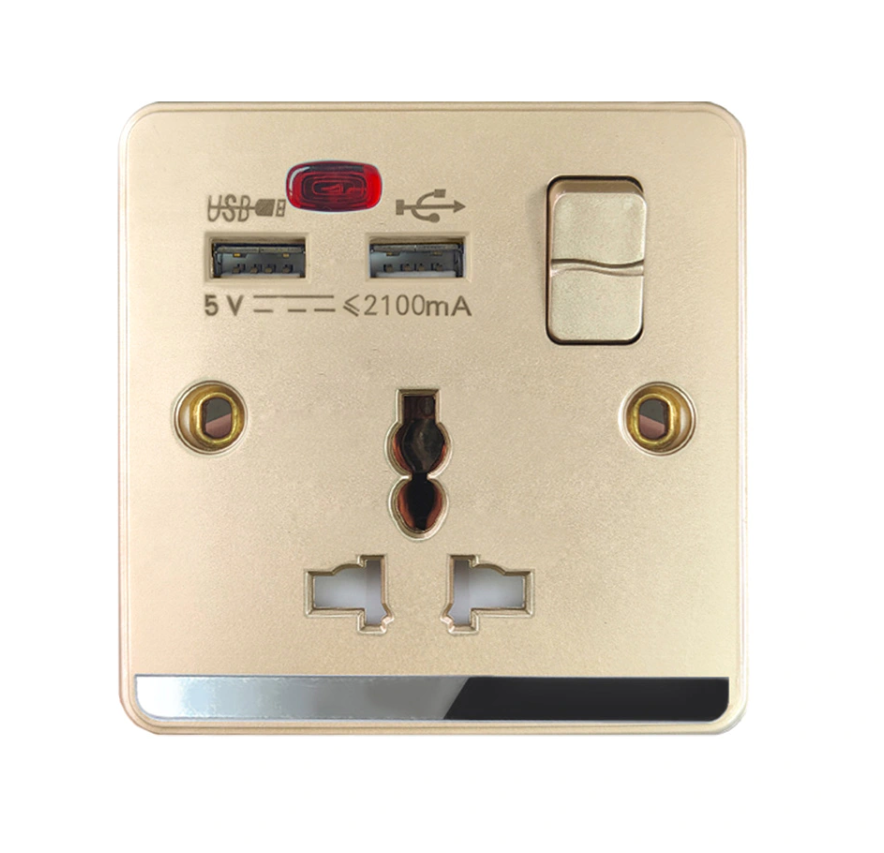
A wall switch may look like a small part of an interior electrical system, but developing one for a private brand can involve many decisions. The appearance needs to match the product identity, the button layout has to fit the intended function, and the final structure needs to correspond with the planned installation format. This is where an OEM switch manufacturer can become part of the product development process.
The project often starts with an idea rather than a finished product. A buyer may have a drawing, sample, reference product, or simply a preferred style. These materials give the manufacturing team a starting point for discussing dimensions, button arrangements, surface details, materials, and other specifications.
Design communication is particularly important at this stage. A small change in the plate shape can affect the appearance of the entire switch. Button spacing, edge treatment, frame thickness, and surface texture can also change how the product looks after installation.
An OEM switch manufacturer can work with buyers to turn these design requirements into production specifications. Depending on the project, this may involve technical drawings, samples, mold development, color selection, logo placement, and packaging design. Each step connects the original concept with a physical product.
Different markets may also require different switch configurations. A residential product collection may include single switches, multi-button models, sockets, and combination units. Commercial projects may require another arrangement. Creating several related models under one visual identity can help a brand build a coherent electrical accessory range.
Material selection is another part of product development, but it should follow the requirements of the design rather than become the entire focus of the project. The housing, plate, buttons, and internal components may involve different material considerations depending on the switch configuration.
An OEM switch manufacturer therefore serves a role beyond producing individual switches. The relationship can connect product ideas, technical details, visual identity, and manufacturing requirements into one development process. For brands building their own electrical accessory range, that connection can make the path from concept to finished product more structured.