Dental surgery requires precision, control, and properly designed instruments to support safe and efficient procedures. From routine extractions to more complex oral surgeries, dentists rely on specialized instruments designed for specific clinical tasks. Understanding the different dental surgery tools can help dental professionals select suitable instruments for their practice and procedure requirements.
What Are Dental Surgery Tools?
Dental surgery tools are specialized instruments used by dentists and oral surgeons during surgical and invasive dental procedures. These instruments are manufactured in different shapes, sizes, and configurations to provide the control and precision required for handling oral tissues, teeth, and surgical materials.
Common Types of Dental Surgery Tools
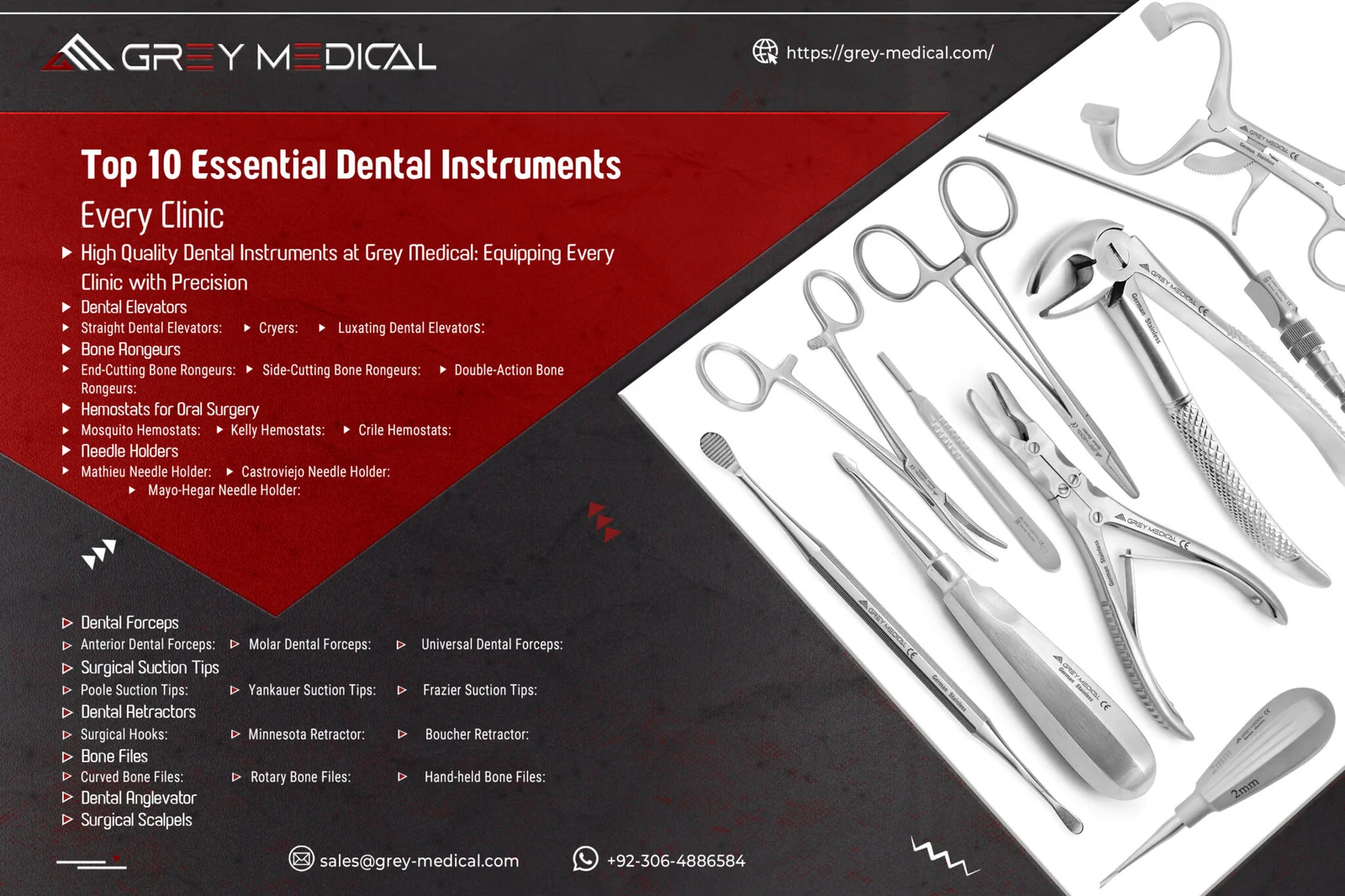
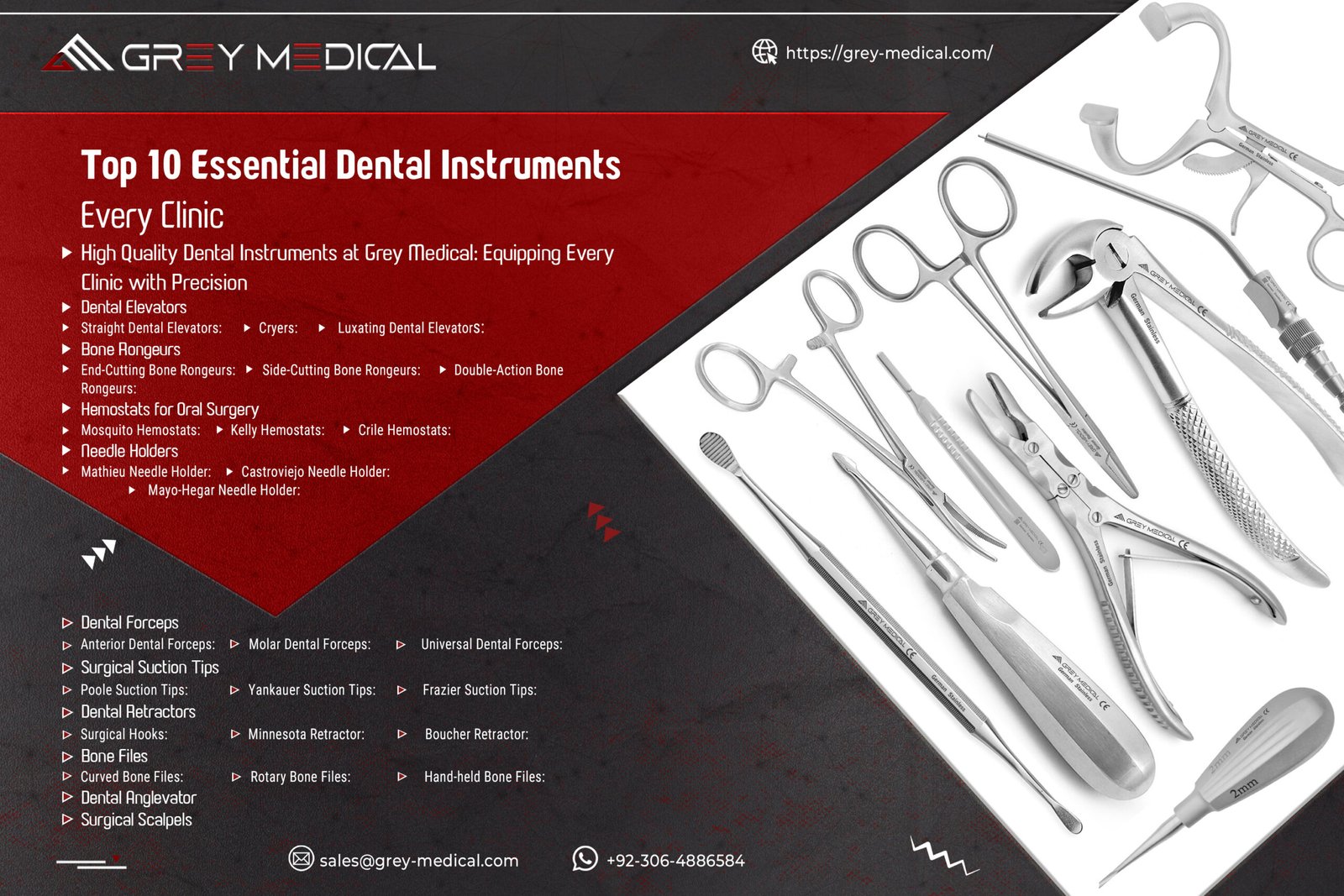
Dental surgical instruments include a broad range of tools, each designed for a particular function. Common examples include extraction forceps, elevators, surgical scissors, tissue forceps, needle holders, curettes, retractors, and surgical scalpels.
Extraction Instruments
Extraction forceps and elevators are commonly used when removing teeth. Their designs allow clinicians to grip, loosen, and remove teeth while maintaining controlled handling during the procedure.
Cutting and Tissue Instruments
Scalpels and surgical scissors are used for making precise incisions and cutting soft tissues. Their sharp, appropriately designed edges help support controlled surgical manipulation.
Holding and Suturing Instruments
Needle holders and tissue forceps assist with tissue handling and suturing. These dental surgery tools provide the grip and control needed when positioning tissues or guiding suture needles during wound closure.
How to Choose Dental Surgical Instruments
Choosing suitable instruments depends on the type of procedure, instrument design, material quality, ergonomics, and required level of precision. Stainless steel is widely used for surgical instruments because it offers durability and can withstand repeated cleaning and sterilization when properly maintained.
Dentists should also consider the instrument's handle design, jaw configuration, working length, and intended clinical application. Selecting instruments that match the procedure can improve handling and support consistent clinical performance.
Importance of Proper Instrument Maintenance
Proper cleaning, sterilization, inspection, and storage are essential for maintaining dental surgery tools. Instruments should be processed according to applicable infection-control procedures and the manufacturer's instructions. Regular inspection can also help identify corrosion, damage, loose components, or loss of functionality before an instrument is used clinically.
Supporting Precision in Dental Surgery
High-quality instruments can contribute to controlled manipulation and efficient workflow during dental procedures. The appropriate instrument should provide a secure grip, suitable access, and sufficient precision for the intended task. For this reason, selecting reliable dental tools is an important part of preparing a professional dental surgical setup.
Conclusion
Dental surgical procedures depend on instruments that provide precision, control, and dependable performance. From extraction forceps and elevators to scissors, forceps, curettes, and needle holders, each instrument has a specific role. Understanding the purpose and characteristics of dental surgery tools helps dental professionals build an appropriate instrument selection for different clinical procedures while supporting proper handling, maintenance, and sterilization.