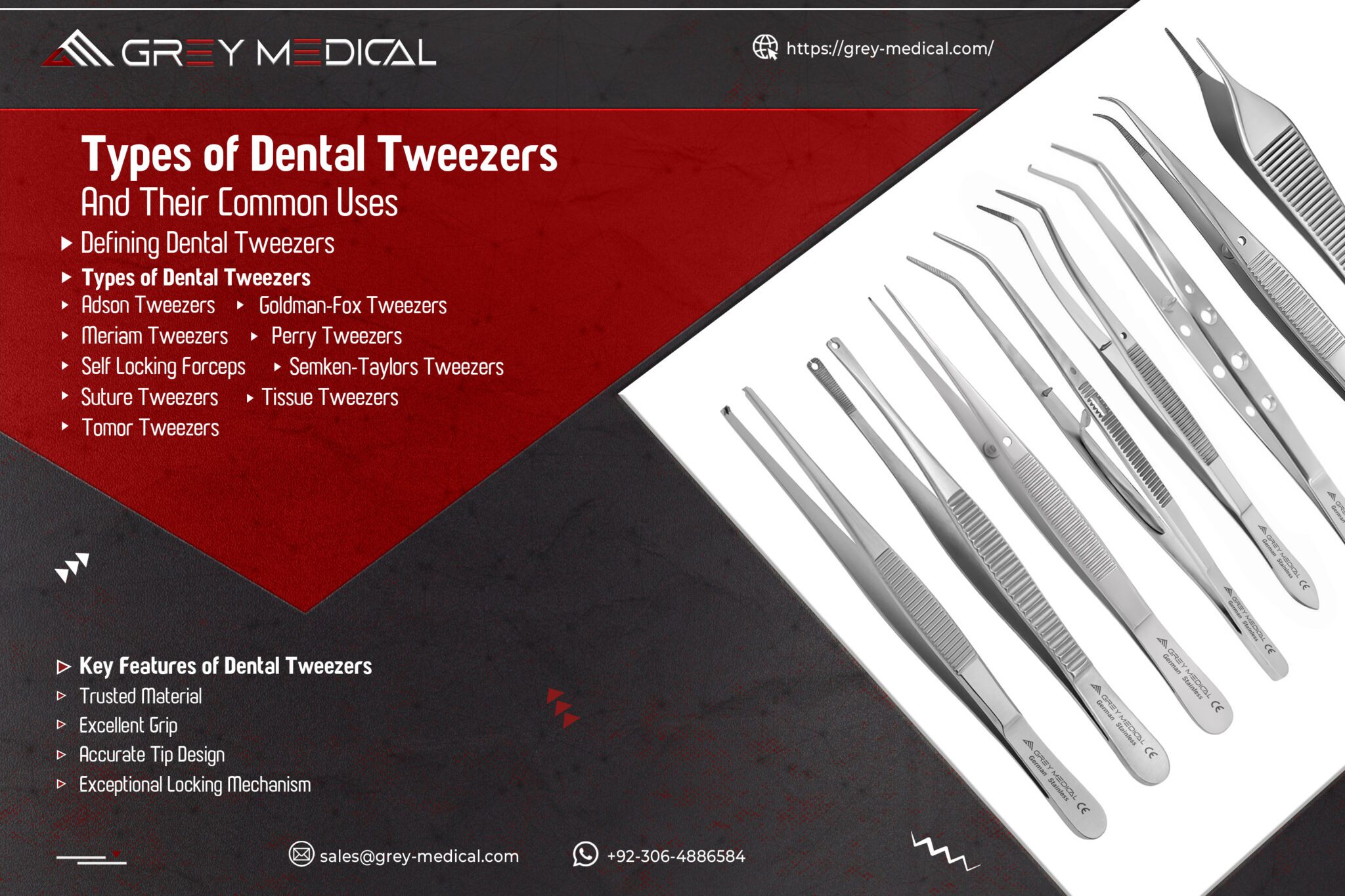
In modern dental procedures, precise handling of minute materials is fundamental to successful clinical outcomes. The tweezer in dentistry serves as an indispensable extension of the clinician's hand, enabling the safe transfer and placement of small items within the oral cavity. Whether handling cotton rolls, articulation paper, or delicate restorative materials, these specialized pincers allow practitioners to maintain high standards of hygiene and control. Designed with slim tips and ergonomic handles, dental tweezers ensure that delicate tissues and small components remain undamaged during examination and treatment.

Common Types and Designs of Dental Tweezers
Dental tweezers come in various configurations tailored to specific tasks within oral healthcare. The standard locking tweezer in dentistry features a small latch mechanism that holds items securely without continuous manual pressure from the operator. Non-locking variants, often called college pliers or dressing pliers, offer quick grab-and-release functionality suitable for rapid movements. Angled tips are particularly common, as they allow optimal visualization and access to hard-to-reach posterior regions without obstructing the clinician's line of sight or compromising ergonomics.
Primary Applications of Cotton Pliers in Daily Practice
The primary function of cotton pliers and dressing forceps is to manage moisture and isolate treatment areas effectively. Practitioners rely heavily on the tweezer in dentistry to place absorbent cotton pellets, rubber dam cervical clamp, and matrices into position accurately. Beyond moisture control, these tools are vital for delivering medicaments, placing small restorative wedges, and removing debris from prepared cavities. Their versatility makes them a staple component of every standard diagnostic and restorative tray setup across all dental specialties.
Hygiene, Sterilization, and Maintenance Standards
Because these instruments come into direct contact with mucosal tissues and bodily fluids, strict infection control protocols are imperative. A high-quality tweezer in dentistry must be manufactured from medical-grade stainless steel to withstand repeated cycles of ultrasonic cleaning and steam autoclaving without corroding or losing tip alignment. Regular inspection of the tips is essential, as bent or misaligned tines can reduce gripping effectiveness and cause unnecessary discomfort or delays during clinical procedures.
How Ergonomic Design Enhances Clinical Precision
Prolonged use of hand instruments can contribute to fatigue and strain among dental professionals over time. Modern manufacturing focuses on lightweight construction, balanced weight distribution, and textured gripping surfaces to optimize comfort. Using a well-designed tweezer in dentistry reduces thumb and finger pinch force, allowing dentists and assistants to maintain steady control during intricate maneuvers. Superior tactile feedback enables clinicians to gauge pressure accurately, ensuring safe handling of delicate soft tissues and brittle restorative components.
Selecting Premium Surgical Instruments with Grey Medical
GREY MEDICAL: Welcome to Grey Medical, your trusted partner in premium-quality surgical instruments. With decades of experience in the medical industry, we pride ourselves on delivering precision-crafted tools designed to meet the rigorous demands of surgeons, doctors, and medical professionals worldwide. Selecting high-caliber instruments ensures consistent durability, smooth spring action, and optimal tip alignment for superior patient care.
Conclusion
The humble dental tweezer remains one of the most frequently used tools in modern oral healthcare, playing a critical role in tissue management, material placement, and diagnostic examinations. Investing in precision-engineered, durable instruments ensures smooth clinical workflows, enhanced infection control, and reduced practitioner fatigue. By prioritizing high-grade stainless steel manufacturing and ergonomic design, dental practices can ensure reliable performance and superior precision in every patient procedure.