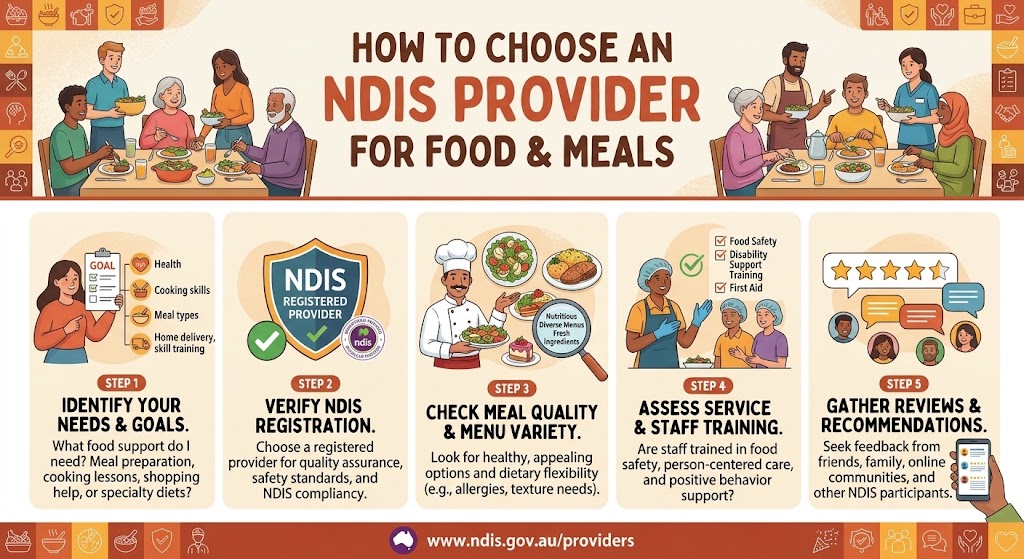
The right provider can change your supports, your independence, and your daily life. To choose well, start with your goals and plan type, decide between registered and unregistered providers, compare options, ask clear questions, and review the service agreement. This guide explains each step in simple words.
What Is an NDIS Provider?
A Plain-Language Definition
A provider is a person, business, or organization that delivers NDIS supports. Examples include support worker agencies, therapists, and program providers.
You Have the Choice
Participants choose the providers they want to work with. You do not need to feel pressured to choose the first provider you meet. You can also change providers later.
Step 1: Start With Your Goals and Plan
List Your Supports and Goals
Write down the supports in your plan and the goals you want to reach. Note what matters most, such as location, communication style, or flexible times.
Check Your Budget
See how much funding remains in each category. This helps you compare costs.
Step 2: Check Your Plan Management Type
Your plan management type affects which providers you can use.
| Plan Type | Which Providers You Can Use |
| NDIA-managed | Registered providers |
| Plan-managed | Registered or unregistered providers, depending on your plan manager |
| Self-managed | Registered or unregistered providers |
Ask your support coordinator or plan manager to confirm the rules for your plan.
Step 3: Understand Registered and Unregistered Providers
Registered Providers
Registered providers are registered with the NDIS Quality and Safeguards Commission. You must use them for the NDIA-managed parts of your plan. Registration is also required for some supports, such as Specialist Disability Accommodation and behavior supports.
Unregistered Providers
Unregistered providers are not registered with the NDIS Commission. You can choose them for self-managed supports. You can also choose them when you use a registered plan manager.
Rules That Apply to Both
The NDIS Code of Conduct applies to both registered and unregistered providers.
Prices
Providers set their own prices. Registered providers cannot charge more than the NDIS price limits.
Step 4: Find Providers
- NDIS Provider Finder: a good starting point for registered providers
- Your support coordinator, plan manager, or My NDIS contact: they can suggest options
- Local directories and community groups: they can show providers in your area
- Other participants and families: their experience can guide you
Read reviews with care, and always check details yourself.
Step 5: Compare Your Options
Compare each provider on the same factors:
| Factor | What to Look For |
| Experience | Skills that match your needs |
| Supports | The services you need, with flexible options |
| Communication | Clear, respectful, and easy to reach |
| Availability | Times and locations that suit you |
| Price | Clear quotes and fair cancellation terms |
| Fit | Culture, language, and personality |
Example: Comparing Two Programs
Suppose you want a baking program. Compare an NDIS Baking Course Gold Coast with other local options by group size, support, safety practices, and cost. Then choose the one that fits your goals best.
Step 6: Ask the Right Questions
About Registration and Safeguards
- Are you registered with the NDIS Commission?
- Do your workers hold NDIS Worker Screening Checks?
About Delivery
- What will a typical session look like?
- Can I choose my worker or instructor?
- What happens if my worker is away?
About Costs
- What are your prices and fees?
- How do cancellations work?
About Changes and Complaints
- How do I give feedback?
- How do I change or end the agreement?
Step 7: Review the Service Agreement and Start With a Trial
A good service agreement names the supports, prices, dates, cancellation terms, privacy details, and complaint steps. Ask for changes if something is unclear. Then start with a short trial so you can see how the provider works with you. Review progress after a few weeks.
Red Flags to Watch For
- Pressure to sign quickly
- Unclear or hidden fees
- No written agreement
- Vague answers about registration or staff
- Poor communication or disrespect for your choices
- Reluctance to allow a trial
How to Choose by Support Type
Support Workers and Personal Care
Focus on screening, reliability, and communication style. Meet the worker before you commit.
Community Participation and Activities
Look for programs that match your interests and goals. Ask about group size and accessibility.
Therapy and Capacity Building
Ask about qualifications and how the provider measures progress.
Life Skills Programs and Shared Homes
Cooking and baking programs can build confidence and independence. Housemates in shared homes can ask about Baking Classes for SIL, where they learn and enjoy baking together. Programs such as an NDIS Baking Course Gold Coast can also suit participants who want structured, step-by-step skill building. Always confirm funding with your plan contact before you book.
Choosing a Provider in Your Local Area
Local providers understand nearby venues, transport, and community groups. Ask about travel costs and whether sessions run close to home. If you live on the Gold Coast, compare local options and ask whether Baking Classes for SIL or other group programs suit your household.
How to Change Providers
You can change providers when your needs change or when a provider is not a good fit. Review the notice terms in your agreement, tell the provider in writing, and keep copies of your records. Your support coordinator can help you move smoothly.
What to Do If Something Goes Wrong
Talk to your provider first, and use the complaint process in your agreement. You can also make a complaint about a provider or worker to the NDIS Commission. A support coordinator or advocate can help.
Frequently Asked Questions
Can I choose my own NDIS provider?
Yes. Participants choose the providers they want to work with, and they can change providers later.
Do I need a registered provider?
It depends on how you manage your plan. NDIA-managed supports need registered providers, while self-managed participants and many plan-managed participants can also use unregistered providers.
Where can I find NDIS providers?
Start with the NDIS Provider Finder for registered providers. You can also ask your support coordinator, plan manager, or My NDIS contact.
How many providers should I compare?
Aim for two or three. This gives you real choice without making the decision feel overwhelming.
Can I change my NDIS provider?
Yes. Check the notice terms in your service agreement, and tell your provider in writing.
Final Thoughts
Choosing a provider works best when you start with your goals, ask clear questions, and take your time. Compare options carefully, review the agreement, and start with a trial. If a skills program interests you, explore an NDIS Baking Course Gold Coast or ask about Baking Classes for SIL, and confirm funding first.