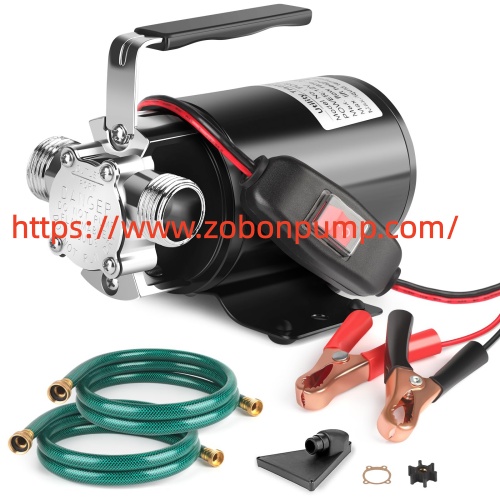
Portable Water Pump selection should begin with the task at hand, the conditions at the site, and the expectations of the people who will operate the equipment. A property manager preparing for seasonal rain, a farmer moving water between storage areas, and a contractor working on a temporary site may all need different configurations. Looking beyond the product label helps buyers identify suitable specifications, avoid unnecessary features, and prepare practical questions before contacting a manufacturer.
Consider a small agricultural property where water needs to be transferred from a collection tank to several irrigation lines. The distance is manageable, but the ground rises slightly, and the operator needs to move the equipment between locations during the week. A purchasing decision based on capacity alone may overlook the effect of elevation, hose length, and frequent relocation. Thinking through a normal working day provides a more useful starting point than comparing prices without context.
Begin by estimating the volume required for each task. If a tank must be emptied within a particular time, calculate the approximate delivery rate needed to meet that schedule. Then consider where the water will enter and where it must go. The difference in elevation, pipe diameter, hose length, bends, and fittings can all affect actual output. Ask the supplier for performance information at the operating conditions you expect, rather than relying only on a maximum rated figure. This makes it easier to compare models on a realistic basis.
Water quality deserves equal attention. Water collected after rainfall may contain leaves, grit, or sediment, while water from a clean storage tank may present fewer challenges. Check the permitted solid particle size and whether an inlet screen or additional filtration is appropriate. If the application involves abrasive material, corrosive liquid, or unusual temperatures, discuss compatibility before purchasing. A configuration intended for clear water may not be suitable for a demanding drainage task, even if its stated capacity appears adequate.
The power source can shape the choice as well. At a permanent facility, an available electrical connection may simplify installation. On a remote farm or temporary worksite, access to electricity may be limited, making another drive arrangement worth considering. Confirm the required supply, starting procedure, expected runtime, and any ventilation needs. If the unit will be moved frequently, examine its weight, carrying points, frame design, and storage footprint. The equipment should fit the way workers actually handle it, not just the space shown on a layout drawing.
It is also worth checking the inlet and outlet connections before an order is confirmed. Measure existing hoses and note any adapters that may be required. For installations that draw water through a suction line, ask about priming requirements and the permitted suction lift. A long or poorly arranged inlet line can complicate startup and reduce operating performance. If several outlets or irrigation branches will be used, explain that arrangement to the supplier so the proposed configuration can be reviewed against the expected demand.
Think about the daily workload, too. A unit used for occasional tank transfers has a different operating pattern from equipment expected to run for several hours at a time. Check the manufacturer’s guidance on continuous operation, inspection intervals, and routine servicing. Ask which parts may need periodic replacement and how accessible they are during maintenance. Clear documentation and readily available service support can make a difference when equipment is used by several employees or when downtime affects a scheduled job.
Price should be considered alongside the costs of installation, energy or fuel, maintenance, and replacement parts. A lower purchase price may not reflect the full cost of operating a machine over several seasons. Likewise, paying for capacity that the application does not require can add expense without a practical benefit. Prepare a short checklist containing the intended use, target delivery rate, required head, water condition, power supply, connection sizes, and expected operating hours. Sharing those details with a supplier gives both sides a clearer basis for discussing suitable options.
At Caifu, we understand that purchasing decisions depend on real working conditions rather than specifications in isolation. Before selecting a model, buyers should review the application, installation layout, water characteristics, and maintenance expectations together. This approach helps make product comparisons more meaningful and supports a smoother setup after delivery. If you are planning an upcoming project or comparing equipment for an existing site, visit https://www.zobonpump.com/product/ to review available Caifu products and identify the specifications relevant to your intended use.