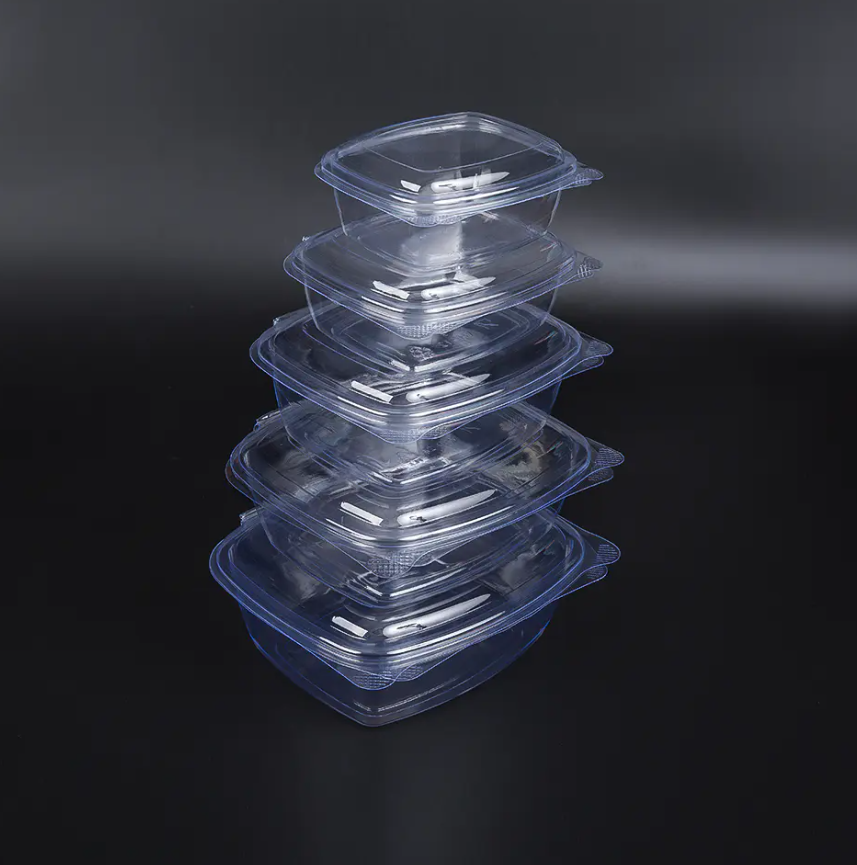
The demand for practical food packaging encourages restaurants, retailers, and catering companies to review the materials used in their daily operations. PLA Compostable Takeaway Containers are one option for businesses seeking packaging made from a plant-derived polymer. PLA, also known as polylactic acid, is commonly produced using renewable feedstocks and can be processed into clear containers for selected food applications.
These containers can be suitable for chilled salads, fresh fruit, cold desserts, snacks, and other products that match their technical specifications. For takeaway counters, a transparent design helps display the food while keeping it covered during handling. For food retailers, containers with compatible lids can support organized display, storage, and collection procedures.
Different food categories create different packaging demands. A container for sliced fruit may need enough space to prevent crushing, while a salad bowl needs a practical opening for filling and serving. Sauces and moist ingredients introduce additional concerns about leakage and lid security. Buyers should therefore evaluate the complete package rather than selecting a container based on capacity alone.
Temperature requirements must also be checked carefully. Conventional PLA packaging is generally intended for applications that do not involve high temperatures. Exposure to hot food or prolonged heat may affect its shape and performance. Where hot meals are part of the menu, buyers should confirm whether a specific heat-resistant design is available or consider another packaging material.
For wholesalers, product range and supply consistency are important when serving customers with different operational needs. PLA Compostable Takeaway Containers may be offered in several shapes, capacities, and lid configurations. Standardized product specifications help distributors compare options, organize inventory, and communicate product details to restaurants. Before ordering, they can request samples to check dimensions, stacking, closure, and compatibility with typical food portions.
Packaging claims should be supported by relevant evidence. The term compostable does not mean every PLA container can be processed through ordinary waste collection or home composting. Some products require controlled industrial composting conditions, and local facilities may not accept them. Distributors should obtain applicable certificates and disposal guidance before preparing product descriptions or promotional materials.
Food contact documentation is equally important. Importers and distributors should confirm that the product meets the requirements of the destination market and the intended type of food contact. Clear technical information helps reduce misunderstandings between suppliers and customers.
By reviewing performance, material properties, certification, and local disposal arrangements, businesses can decide whether PLA Compostable Takeaway Containers fit their product range. A structured evaluation also makes it easier to communicate the benefits and limitations of compostable packaging to end users.
https://www.shenglinpla.com/product/compostable-takeaway-containers/