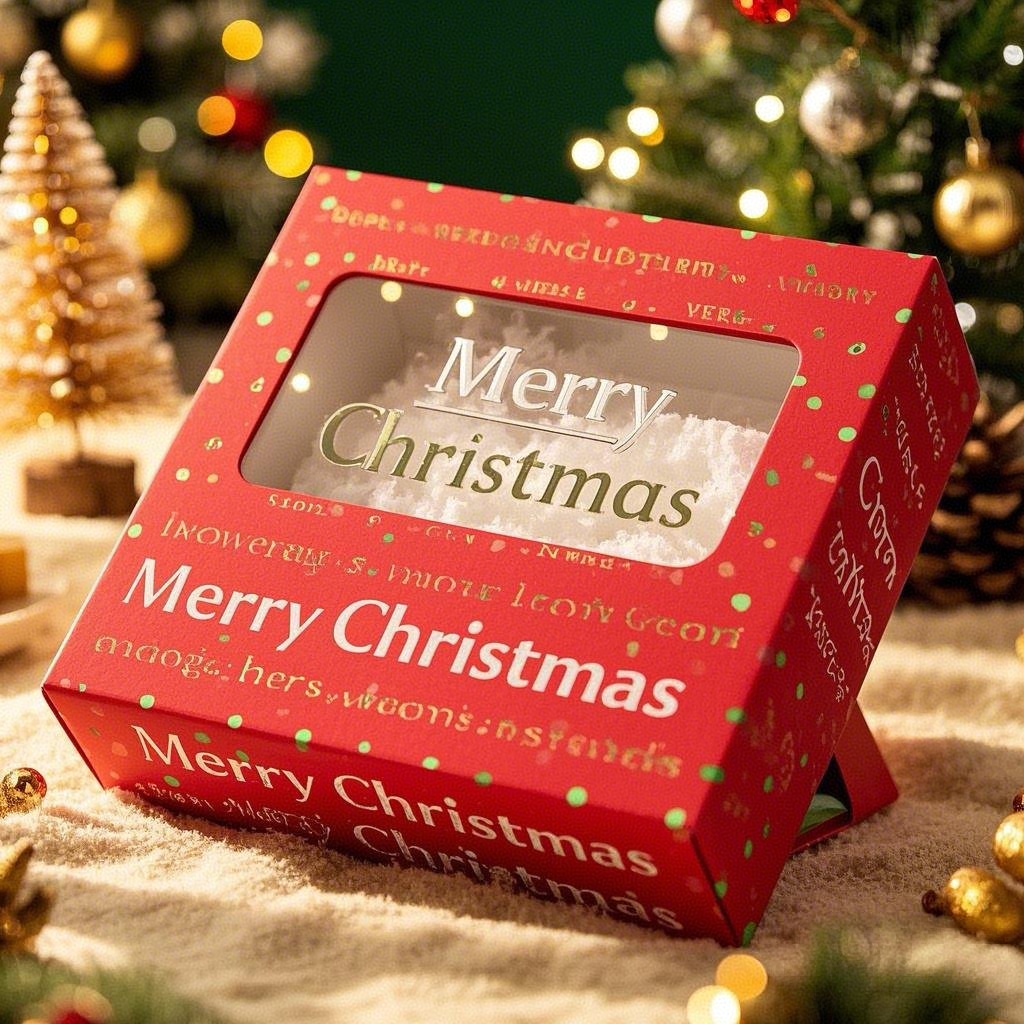
How to Choose the Right Holiday Packaging for Your Bakery in 2026
Custom Christmas Boxes protect delicate treats, make your bakery stand out in a crowded season, and turn every order into a gift. Choose the box based on the product, pick food-safe materials and a sturdy structure, and place your order by early October. That way production and shipping don't collide with the December rush.
Every December, a bakery's packaging works harder than at any other time of year. A cookie that arrives cracked or a cake box that collapses in a warm car can cost you a repeat customer. Well-made Christmas Bakery Boxes do three jobs at once: they protect the food, they show off your brand, and they make the purchase feel like a present.
Why Holiday Packaging Matters More Than You Think
Holiday shoppers spend more, and they spend on gifts. The National Retail Federation forecast that holiday retail sales in 2024 would reach roughly $979 billion to $989 billion in the U.S. Check the NRF's latest forecast for this season before you quote a figure in your own marketing.
For a bakery, that spending shows up as gift orders, corporate platters, and last-minute pickups. Custom Christmas Boxes let you charge for that gifting experience. A plain white box says "baked goods." A printed, ribboned box says "present," and customers will pay more for the second one.
Packaging also works as advertising. Every box that leaves your shop gets carried through offices, set on dinner tables, and photographed. A logo and a festive design cost little compared with a paid ad, and they travel everywhere the box goes.
Match the Box to the Treat
The best-looking box fails if it doesn't suit what's inside. Start with the product, then choose the structure.
Cookies and Bars
Cookies need a flat, rigid base so they don't snap in transit. Window boxes work well because customers can see the decorating. Use a grease-resistant liner or parchment layer so butter doesn't stain the cardboard. For stacked cookies, add dividers so icing doesn't smear.
Cakes, Pies and Pastries
Cakes need height, a firm bottom, and a tight fit. A box that is too big lets the cake slide. When you shop for Christmas Bakery Boxes for cakes, measure your tallest decorated product first, then add about half an inch of clearance. Pastries do better in boxes with ventilation or a window so steam doesn't make the crust soggy.
Macarons and Chocolates
Small, fragile items need inserts. Die-cut paperboard trays hold each piece in place and make a half-dozen look like a premium gift. Magnetic-closure or two-piece rigid boxes suit high-end holiday sets.
Materials and Finishes That Work
Your material choice affects cost, strength, and how food-safe the box is. Here are the common options:
- Kraft paperboard: Natural look, recyclable, and good for rustic holiday branding.
- White SBS paperboard: Clean surface that prints bright reds and greens well.
- Corrugated board: Best for shipping heavier items like loaf cakes or cookie tins.
- Rigid board: Premium feel for gift sets, though it costs more per unit.
For finishes, matte lamination looks upscale and hides fingerprints. Gloss makes colors pop. Foil stamping adds a metallic shine to logos or snowflake patterns. For anything touching food, ask your supplier about food-safe coatings and liners. Many bakeries use a coated interior or a separate food-grade insert instead of printing directly where food sits.
When you compare quotes, ask what's included. Some suppliers charge extra for plates, finishes, or inserts, and Custom Christmas Boxes with several finishes can cost much more than the base price suggests.
Design Tips That Help Your Boxes Sell
Good holiday packaging is simple and readable. Follow these steps:
- Lead with your logo. Keep it large enough to read from across a counter.
- Limit your palette. Two or three colors look polished. Five look cluttered.
- Leave white space. A busy pattern hides the product and your brand.
- Add a gifting touch. A ribbon slot, a tag area, or a sticker seal makes the box feel finished.
- Print useful information. Include allergen notes, storage tips, or a website or social handle.
- Order a sample first. Test the box with real product before you place a full run.
Consistency matters too. If your shop uses a certain color or typeface year-round, carry it into the holiday line so people recognize you. Custom Christmas Boxes should feel like a seasonal version of your brand, not a different bakery.
Plan Your Ordering Timeline
Printing, finishing, and delivery all take time, and the holiday rush slows everyone down. A sensible schedule looks like this:
- Early September: Finalize products, box sizes, and quantities.
- Mid September: Approve artwork and request samples.
- Early October: Place the order.
- Early November: Receive boxes and train staff to assemble them quickly.
Minimum order quantities vary by supplier and box type, so ask before you commit. If you're unsure how many to buy, estimate your best holiday week from last year and add a cushion of 10 to 15 percent.
Frequently Asked Questions
How early should I order holiday boxes?
Aim for early October at the latest. That leaves room for proofs, production, and shipping delays before the busiest baking weeks.
Are printed boxes safe for food?
Yes, if they're made with food-safe materials and the food doesn't touch ink directly. Use a liner, parchment, or coated interior for greasy or wet items.
Can small bakeries afford custom packaging?
Often, yes. Simple one- or two-color prints on stock sizes keep costs down, and Christmas Bakery Boxes in standard dimensions are cheaper than fully custom structures.
Final Thoughts
Holiday packaging isn't an afterthought. It protects your work, reinforces your brand, and gives customers a reason to choose you over a competitor. Start with your product, choose materials that suit it, keep the design clean, and order early. Done well, Custom Christmas Boxes become part of the gift itself, and customers will remember it long after the cookies are gone.