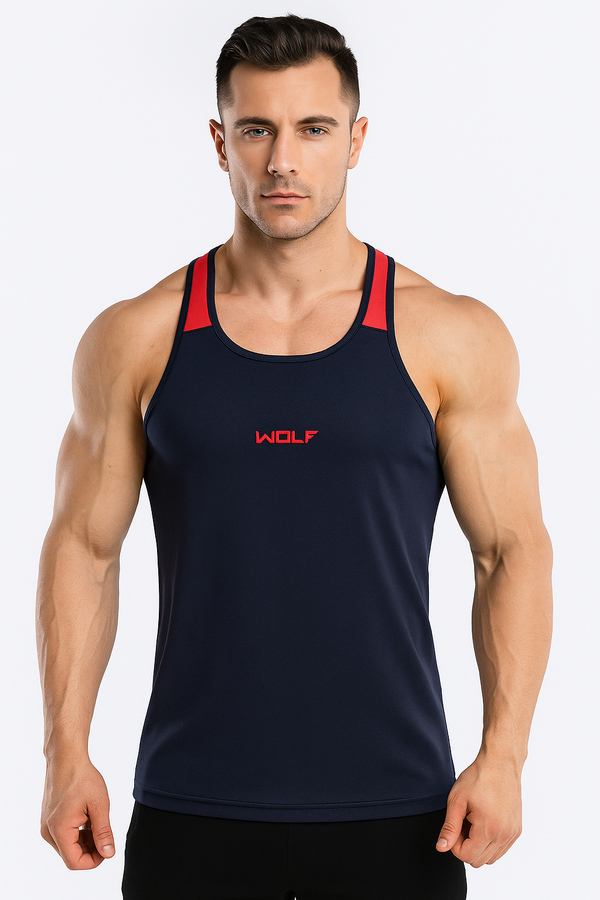
Walk through any gym and you will see a mix of T-shirts, compression tops and tank tops. If you are new to lifting, or you are wondering whether to refresh your gym wardrobe, it is fair to ask: are men’s muscle tank tops for bodybuilding actually worth the money, or are they just a style choice? The honest answer is that they are worth it for most lifters, as long as you choose the right one and understand what they can and cannot do.
This article weighs the real benefits and drawbacks so you can decide for yourself.
1. The Short Answer:
For most people who train regularly, a good muscle tank is worth it. It costs little compared with other gym equipment, it improves comfort and mobility, and it lasts for months when cared for properly. It will not build muscle for you, but it removes small frustrations that can distract you from your training.
The key phrase is “a good muscle tank.” A poorly made tank that shrinks, stretches or traps sweat can be a waste of money. The rest of this article explains how to tell the difference.
2. What You Gain From a Muscle Tank:
The biggest advantage is freedom of movement. With no sleeves to pull on your shoulders, presses, rows and pull-ups feel smoother, and your form is easier to keep consistent. Open armholes also let heat escape, which matters during long, high-volume sessions in a warm gym.
A tank also lets you watch your muscles work in the mirror, so you can check your technique and spot imbalances early. Many lifters add that they simply feel more confident and motivated in a tank, and that mindset can improve both effort and consistency.
3. What You Give Up:
Tank tops are not perfect for everyone. They offer less coverage, so some lifters feel self-conscious wearing one, especially when they are just starting out. Bare skin can also come into contact with benches, bars and shared equipment, which some people find unpleasant, although a quick wipe-down solves most of the concern.
In very cold gyms or outdoor workouts, a tank provides little warmth on its own. You may need a layer over it or a different top altogether in those conditions.
4. Cost and Value:
Quality muscle tanks are generally affordable, and many fall in the same price range as a basic T-shirt. Because they use less fabric, you can often buy a multi-pack for a reasonable price. The real measure of value is cost per wear: a tank that survives a hundred washes and still fits well is a better buy than a bargain option that falls apart in a month.
If you train three or four times a week, owning three to five tanks lets you rotate them so each one lasts longer. Spending a little more on fabric and stitching usually pays for itself in durability.
5. What Separates a Worthwhile Tank From a Waste:
Several features make the difference. Look for breathable, moisture-wicking fabric, ideally a polyester or cotton-polyester blend with a small amount of stretch. Check that the armholes are deep enough to show your shoulders without exposing your ribs, and that the hem stays put during overhead lifts.
Construction matters as much as fabric. Reinforced or flatlock seams resist chafing, a tagless label avoids irritation and clean stitching keeps the neckline from stretching. Reading customer reviews about shrinkage and fit before you buy can save you from an expensive mistake.
6. Who Benefits Most:
Muscle tanks are especially useful for lifters who train upper body often, since the open cut helps with shoulder, back and arm work. They suit people who train in warm environments, those who like to monitor their form in the mirror and anyone preparing for a physique competition. Beginners benefit too, because comfortable gear makes it easier to build a regular habit.
If you mostly do cold-weather training, prefer full coverage or dislike the feel of an open armhole, a regular T-shirt may suit you better. There is no rule that says you must wear a tank to build muscle.
7. Tips for Getting the Most From Your Purchase:
Start by measuring your chest, shoulders and torso length and comparing them with the brand’s size chart. Buy one or two first to test the fit before committing to a larger set. Once you have a style you like, wash in cold water, avoid fabric softener and air dry when you can, so the fabric keeps its stretch and moisture-wicking ability.
8. Final Tips:
So, are men’s muscle tank tops for bodybuilding worth it? For most lifters, yes. They are inexpensive, comfortable, practical and good for both movement and motivation. The best approach is to choose quality over price, match the style to how you train and take care of your tanks so they last. Get those basics right and a good muscle tank will earn its place in your gym bag.