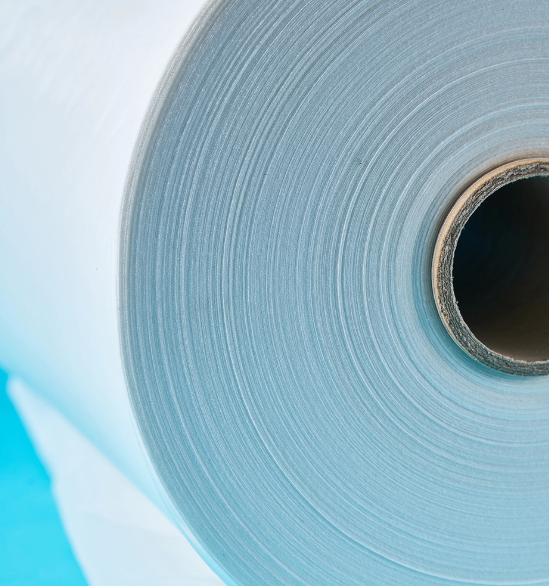
Filtration can look like a simple task: liquid passes through a mesh, and unwanted particles stay behind. In industrial production, however, the details matter. Mesh opening size, yarn structure, chemical compatibility, and liquid flow all affect the separation process. Polyvinylidene Fluoride (PFA) Woven Filter Mesh is a specialized filtration material designed for applications where the properties of the polymer and the precision of the woven structure are important.
One point deserves clarification when selecting this material. PFA stands for perfluoroalkoxy alkane, whereas polyvinylidene fluoride is commonly abbreviated as PVDF. These are different fluoropolymers, each with its own characteristics. Buyers should confirm the exact resin specified in a product's technical documentation before comparing filter mesh options or placing bulk orders.
Woven filter mesh is produced by interlacing strands in a controlled pattern. The resulting openings determine which particles can pass through and which remain on the mesh surface. A consistent weave helps manufacturers achieve predictable filtration behavior across the working area. Depending on the selected specification, the mesh may serve liquid filtration, chemical processing, laboratory equipment, or specialized industrial separation systems.
Polymer selection is particularly important when the mesh contacts aggressive liquids or operates under demanding process conditions. Fluoropolymers are valued for their chemical resistance, although their performance varies according to resin type, temperature, concentration, and exposure conditions. A material suitable for one chemical process should not automatically be assumed suitable for another. Reviewing compatibility data helps buyers match the mesh to the actual working environment.
For equipment manufacturers, distributors, and industrial purchasers, technical specifications provide a practical starting point. Mesh count, aperture size, strand diameter, width, and roll length can all influence product suitability. Finer openings may support the retention of smaller particles, but they can also restrict flow. Larger openings allow liquid to pass more freely, although particle separation requirements may limit their use. The right balance depends on the process rather than a single specification.
For bulk procurement, buyers should also clarify dimensional tolerances, weave consistency, and the intended filtration conditions. Clear specifications make it easier to compare samples and ensure that the selected mesh fits the equipment design. Ultimately, choosing Polyvinylidene Fluoride (PFA) Woven Filter Mesh begins with identifying the correct polymer and matching its woven structure to the required separation task.