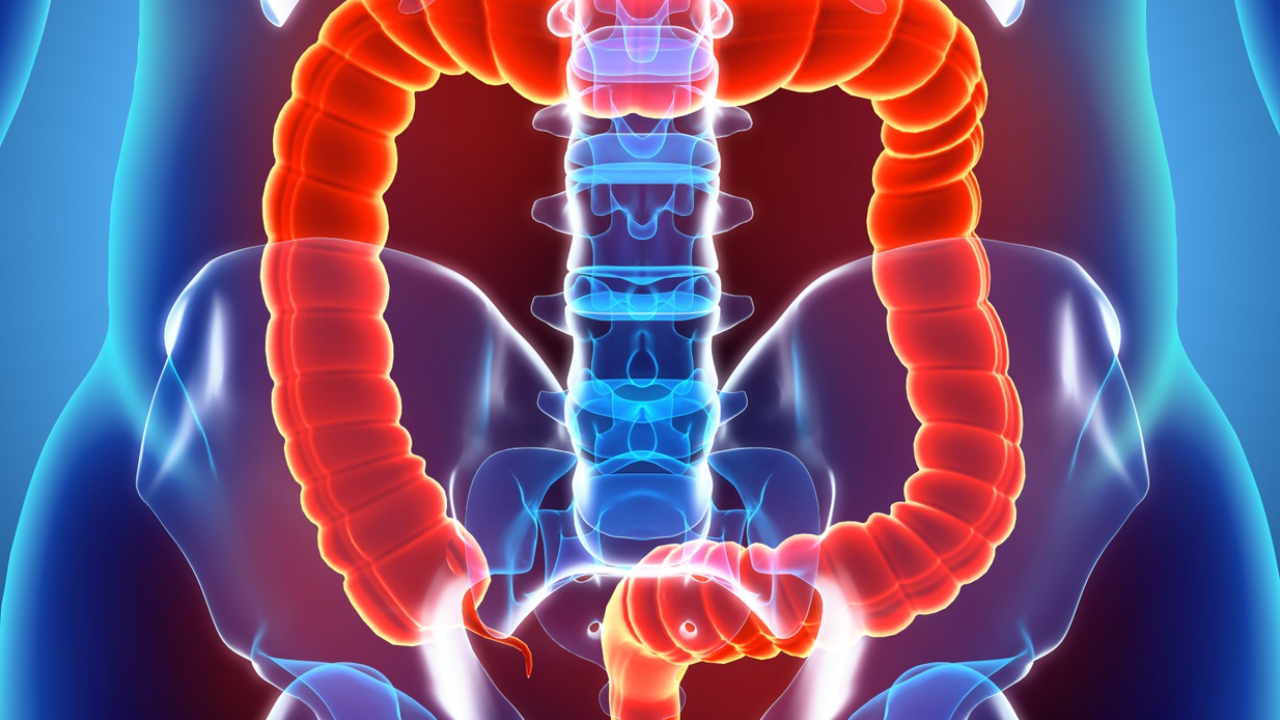
Digestive health problems can gradually become part of everyday life. Frequent bloating, gas, stomach cramps, and irregular bowel movements may seem manageable initially, but persistent symptoms deserve attention.
Small Intestinal Bacterial Overgrowth (SIBO) occurs when excessive bacteria accumulate in the small intestine. This can interfere with normal digestive processes and, in some cases, nutrient absorption.
Understanding the consequences of SIBO left untreated can help you recognize when professional evaluation is important.
Early Symptoms of SIBO
SIBO can produce several digestive symptoms, including:
-
Abdominal bloating, especially after meals.
-
Excessive gas and belching.
-
Abdominal pain or cramps.
-
Diarrhea or constipation.
-
Uncomfortable fullness after eating.
The severity of these symptoms varies. Some people experience occasional discomfort, while others have persistent digestive problems.
What Happens When SIBO Is Left Untreated?
If bacterial overgrowth continues, symptoms may become persistent or recurring.
One concern is the possibility of nutrient malabsorption. Excessive bacteria can interfere with the normal availability and absorption of certain nutrients.
Possible complications include:
Vitamin B12 Deficiency
SIBO may contribute to reduced vitamin B12 availability. Low B12 levels can cause fatigue, anemia, weakness, and neurological problems.
Fat Malabsorption
In some cases, bacterial overgrowth interferes with normal fat digestion. This may result in greasy stools and deficiencies involving fat-soluble vitamins.
Chronic Digestive Discomfort
Ongoing bloating, diarrhea, constipation, and abdominal discomfort can affect food choices and everyday activities.
Unexplained Weight Changes
Some people experience weight loss due to malabsorption or reduced food intake caused by digestive symptoms.
How Long Does SIBO Last Untreated?
There is no exact answer to how long SIBO lasts without treatment.
The condition may persist for months or years, depending on the underlying cause and individual digestive health.
Some people experience fluctuating symptoms, while others have continuous discomfort.
Is SIBO Always Serious?
No. SIBO does not cause severe complications in every individual.
However, persistent symptoms and signs of malabsorption should not be ignored. Unexplained weight loss, prolonged diarrhea, severe abdominal pain, and dehydration require medical attention.
How Can SIBO Be Diagnosed?
Healthcare professionals may recommend hydrogen and methane breath tests to investigate suspected bacterial overgrowth.
Depending on the individual's symptoms, nutritional blood tests and additional investigations may also be appropriate.
Treatment and Prevention of Recurrence
Treatment may involve prescribed antibiotics, nutritional support, and management of underlying conditions.
Dietary adjustments may help control digestive symptoms, but they should be part of an individualized plan rather than a replacement for medical treatment.
Addressing factors that contribute to bacterial overgrowth is also important because SIBO can recur.
Conclusion
SIBO left untreated may contribute to persistent digestive discomfort and, in more significant cases, nutritional deficiencies and malabsorption.
If you regularly experience bloating, abdominal discomfort, or unusual bowel movements, consider discussing your symptoms with a healthcare professional. Proper evaluation can help identify the cause and guide appropriate management.
Medical Disclaimer: This article is intended for general educational purposes only. It does not provide a medical diagnosis or replace professional healthcare advice.