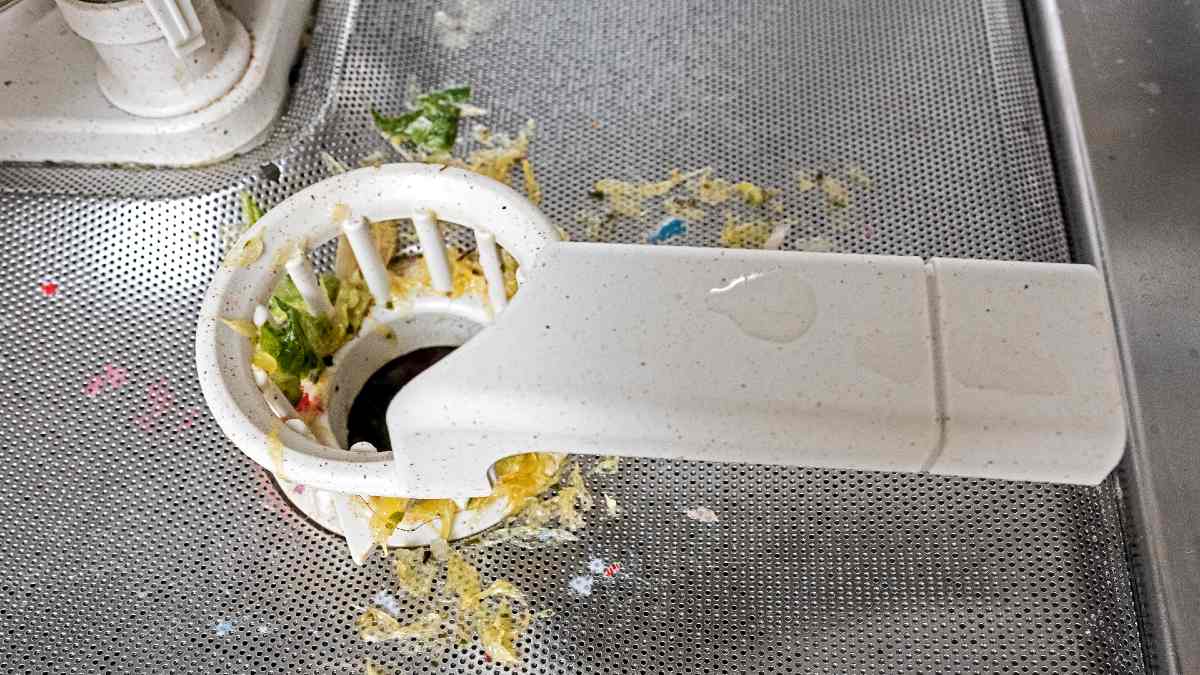
A dishwasher that stops draining properly can leave dirty dishes, standing water, and unpleasant odors behind. If your dishwasher is clogged, the first step is to determine whether the problem comes from a dirty filter, a blocked drain hose, or the connected plumbing.
Although some problems can be addressed through routine maintenance, others require professional repair.
Common Signs of a Clogged Dishwasher
Look for these warning signs:
-
Dirty water remaining at the bottom after a cycle.
-
Water draining more slowly than usual.
-
Unpleasant odors coming from the tub.
-
Gurgling sounds during drainage.
-
Water backing up when the kitchen sink is used.
-
Repeated drainage error messages.
These signs can indicate a blockage, but they can also occur when a pump or other component is malfunctioning.
First Check: The Filter
The dishwasher filter collects food particles that could otherwise interfere with drainage.
Turn off the dishwasher, disconnect its power supply when safe, and remove the accessible filter according to the manual.
Rinse away debris and reinstall the filter correctly before running another cycle.
Second Check: The Dishwasher Drain Hose
The drain hose carries wastewater from the appliance to the household plumbing system.
A clogged dishwasher drain hose may restrict water flow, while a kinked hose can create a similar problem without any internal debris.
Inspect visible hose routing under the sink. If you notice damage or suspect a blockage inside the hose, consider professional assistance.
Third Check: The Sink or Garbage Disposal
Some dishwashers discharge wastewater through a garbage disposal connection or sink drain assembly.
If the sink is also draining slowly, the obstruction may be in the shared plumbing. A recently installed disposal may also require inspection of its dishwasher inlet connection.
How Does a Dishwasher Drain?
During the drain stage, a pump pushes wastewater through the hose and into the connected plumbing.
A clean filter, unobstructed drainage path, and functioning pump are all important for normal operation.
A small amount of water in certain filter or sump areas may be normal for some models, but substantial dirty water remaining after a completed cycle warrants attention.
What If the Dishwasher Still Does Not Drain?
If basic cleaning fails, a technician may need to inspect the drain pump, internal hoses, valves, or controls.
Do not use chemical drain cleaners or repeatedly run the appliance in an attempt to force out a blockage.
For more detailed troubleshooting, visit The Plumb Hero's dishwasher drain hose guide .
Conclusion
A clogged dishwasher may have a simple maintenance issue or a more complicated drainage fault. Begin with the accessible filter, check the visible hose for kinks, and observe whether the kitchen sink drains normally. If the problem persists, professional diagnosis can help restore proper drainage.