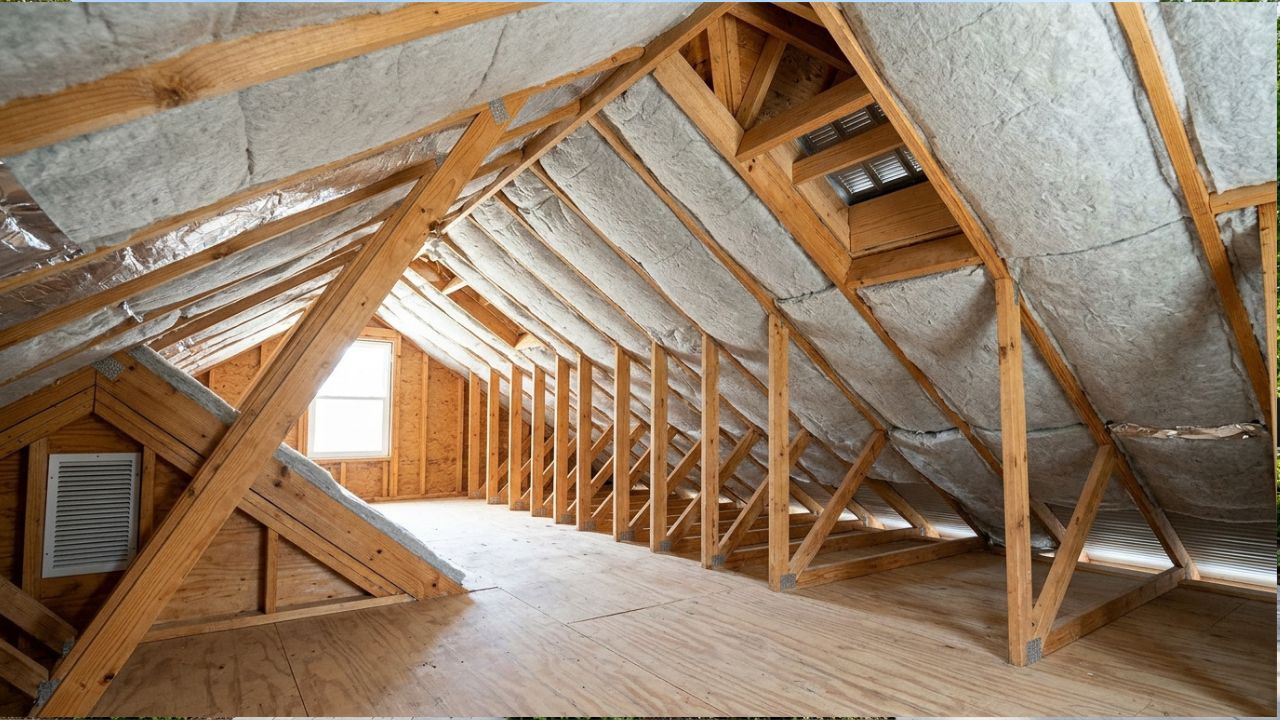
Attic mold is a common concern for homeowners in Ottawa, especially during the cold winter months when temperature differences, poor ventilation, and excess moisture can create ideal conditions for mold growth. If left untreated, attic mold can damage wooden structures, insulation, and other building materials. It may also contribute to poor indoor air quality and indicate underlying moisture problems that need attention.
Professional attic mold removal Ottawa services help homeowners identify mold growth, address its causes, and restore a healthier attic environment. Whether you have noticed dark patches on roof sheathing, a musty smell, or signs of moisture around your attic, taking action early can help prevent more extensive damage and costly repairs.
Understanding the causes of attic mold, recognizing its warning signs, and choosing the right removal approach are important steps toward protecting your property.
What Causes Attic Mold in Ottawa Homes?
Ottawa experiences cold winters and changing seasonal temperatures, which can create challenging conditions for attic moisture control. Mold develops when moisture remains on suitable surfaces long enough for mold to grow.
Several factors can contribute to attic mold.
Poor Attic Ventilation
Proper ventilation allows moisture-laden air to escape and helps regulate attic temperatures. When airflow is restricted by blocked vents or an inadequate ventilation system, moisture can accumulate on roof sheathing and wooden rafters.
Over time, these damp conditions can encourage mold growth.
Warm Air Leaking From the Living Space
Warm, humid air from bathrooms, kitchens, and laundry areas can enter the attic through gaps around ceiling fixtures, plumbing openings, and attic access points. During winter, this air may cool and condense on cold surfaces.
Sealing air leaks and ensuring that bathroom exhaust fans vent outdoors can help reduce this problem.
Roof Leaks and Water Damage
Damaged shingles, deteriorated flashing, and other roofing problems can allow rainwater or melting snow to enter the attic. Even a small leak can create persistent dampness that supports mold growth.
Homeowners should investigate water stains, wet insulation, and discoloured wood promptly.
Insufficient Insulation
Inadequate or uneven insulation can contribute to cold surfaces and temperature differences within the attic. When combined with air leakage and excess moisture, these conditions may increase the risk of condensation and mold.
A properly designed insulation system, combined with effective air sealing and ventilation, can help manage moisture.
What Are the Warning Signs of Attic Mold?
Recognizing the early signs of mold can help homeowners arrange an inspection before the problem becomes more extensive.
Common warning signs include:
-
Black, green, brown, or grey patches on roof sheathing and wooden rafters.
-
A persistent musty smell coming from the attic.
-
Damp or compressed insulation.
-
Water stains on ceilings or upper walls.
-
Visible condensation on roof sheathing, nails, or other cold surfaces.
-
Signs of roof leaks or moisture around vents and chimneys.
Not every dark mark is mold, and not all mold is visible. If you suspect a problem, a professional assessment can help determine the nature and extent of the growth.
Why Is Professional Attic Mold Removal Ottawa Important?
Although small areas of surface mold may appear easy to clean, the underlying moisture problem can make the issue return. Professional attic mold removal Ottawa services focus on identifying the source of the problem and selecting an appropriate remediation method.
Identifying the Source of Moisture
Effective mold remediation begins with understanding why mold developed. An inspection may examine roof leaks, ventilation, insulation, air leakage, and condensation patterns.
Correcting the moisture source is essential because removing visible mold without addressing the cause may allow it to grow again.
Removing Mold Safely
Mold removal methods depend on the affected materials, the amount of growth, and the accessibility of the area. Professionals can determine whether affected surfaces can be cleaned or whether porous materials, such as damaged insulation, need to be removed and replaced.
Appropriate containment and protective equipment can help reduce the spread of mold particles during remediation.
Protecting Structural Materials
Prolonged moisture exposure can damage wood and other building materials. Timely remediation helps homeowners identify deterioration and determine whether repairs are needed.
Addressing the problem early may reduce the likelihood of more extensive restoration work.
Improving Moisture Management
A successful remediation plan should also address the conditions that allowed mold to develop. Depending on the findings, recommendations may include repairing roof leaks, improving ventilation, sealing air leaks, or correcting insulation deficiencies.
These measures can help create a drier and more stable attic environment.
What Is the Attic Mold Removal Process?
Understanding the remediation process helps homeowners know what to expect when hiring a professional service.
Step 1 Inspect the Attic
The process typically begins with an assessment of visible mold, moisture levels, insulation, roof sheathing, and ventilation. The professional may also look for signs of leaks and condensation.
Step 2 Identify and Correct Moisture Problems
Before or alongside mold removal, the underlying moisture source must be addressed. This may involve roofing repairs, air sealing, or ventilation improvements.
Step 3 Establish Appropriate Containment
Depending on the extent of contamination, the work area may need to be contained to limit the movement of dust and mold particles into other parts of the home.
Step 4 Clean or Remove Affected Materials
Suitable surfaces may be cleaned using methods appropriate for the material and the level of contamination. Heavily damaged or contaminated porous materials may require removal.
Step 5 Complete Remediation and Review
After the work, the affected area should be assessed to determine whether the visible contamination has been addressed and the moisture problem corrected. Additional verification may be appropriate for larger or more complicated projects.
How Can Homeowners Prevent Attic Mold?
Prevention is an important part of protecting your home after remediation. Ottawa homeowners can reduce the risk of future mold growth by following several practical measures.
Maintain proper ventilation: Keep attic vents functional and ensure insulation does not block intended airflow pathways.
Seal air leaks: Check for gaps around ceiling penetrations, attic hatches, and other openings that allow warm indoor air to enter the attic.
Control indoor humidity: Use bathroom and kitchen exhaust fans when needed, and make sure they discharge outdoors rather than into the attic.
Inspect the roof regularly: Look for damaged shingles, deteriorated flashing, and signs of water entry.
Maintain insulation: Ensure insulation is appropriate for the home and installed without obstructing ventilation.
Arrange inspections when needed: If you notice recurring condensation, musty odours, or visible mold, investigate the cause rather than simply covering the affected area.
Preventive maintenance can help homeowners identify problems before they lead to extensive damage.
How Much Does Attic Mold Removal Cost in Ottawa?
The cost of attic mold removal in Ottawa depends on several factors, so there is no single price that applies to every property.
Important cost factors include the size of the affected area, the severity of the mold growth, the condition of the roof and insulation, accessibility, and the repairs required to correct moisture problems.
A small area of surface contamination may require less work than an attic with widespread growth, damaged insulation, or persistent roof leaks. Additional expenses may arise if structural repairs or ventilation improvements are necessary.
Homeowners should request a detailed estimate that explains the inspection findings, proposed remediation methods, materials to be removed or cleaned, moisture-control recommendations, and any additional repair costs. Comparing the scope of work rather than price alone can help you make a more informed decision.
Why Should You Choose an Experienced Attic Mold Removal Service?
Choosing an experienced service provider can make the remediation process more straightforward and help ensure that important moisture issues are not overlooked.
Look for a company that explains its inspection findings, identifies the likely source of moisture, and provides a clear plan for cleaning or removing affected materials. The provider should also explain any necessary repairs and offer practical recommendations for preventing future mold growth.
Avoid relying on a service that promises a permanent solution without investigating the cause of the mold. Effective remediation requires more than removing visible discoloration; it also requires controlling the conditions that support mold growth.
Before approving the work, ask about the proposed methods, safety precautions, project timeline, and whether follow-up assessment is recommended.
Where Can You Find Attic Mold Removal Services in Ottawa?
Homeowners looking for information about attic mold problems and possible remediation options can visit https://atticmoldremovalottawa.ca/ . The website provides a starting point for learning about attic mold removal services in Ottawa and exploring solutions for mold-related concerns in residential properties.
If you have noticed visible mold, persistent attic moisture, or signs of condensation, visiting the website can help you take the next step toward addressing the issue. Before choosing a service, discuss your property's specific conditions, ask about the inspection process, and confirm which remediation and moisture-control measures may be appropriate for your home.
Conclusion
Attic mold can develop when moisture, poor ventilation, air leakage, or roof problems create favourable conditions for growth. For Ottawa homeowners, addressing these issues early can help protect insulation, wooden structures, and the overall condition of the property.
Professional attic mold removal Ottawa services can help identify the source of mold, remove affected materials appropriately, and recommend practical measures to reduce the risk of recurrence. Regular attic inspections, effective ventilation, proper insulation, and timely roof repairs are also important parts of prevention.
By taking a proactive approach and choosing a qualified service provider, homeowners can manage attic mold problems more effectively and maintain a cleaner, drier, and better-protected home.