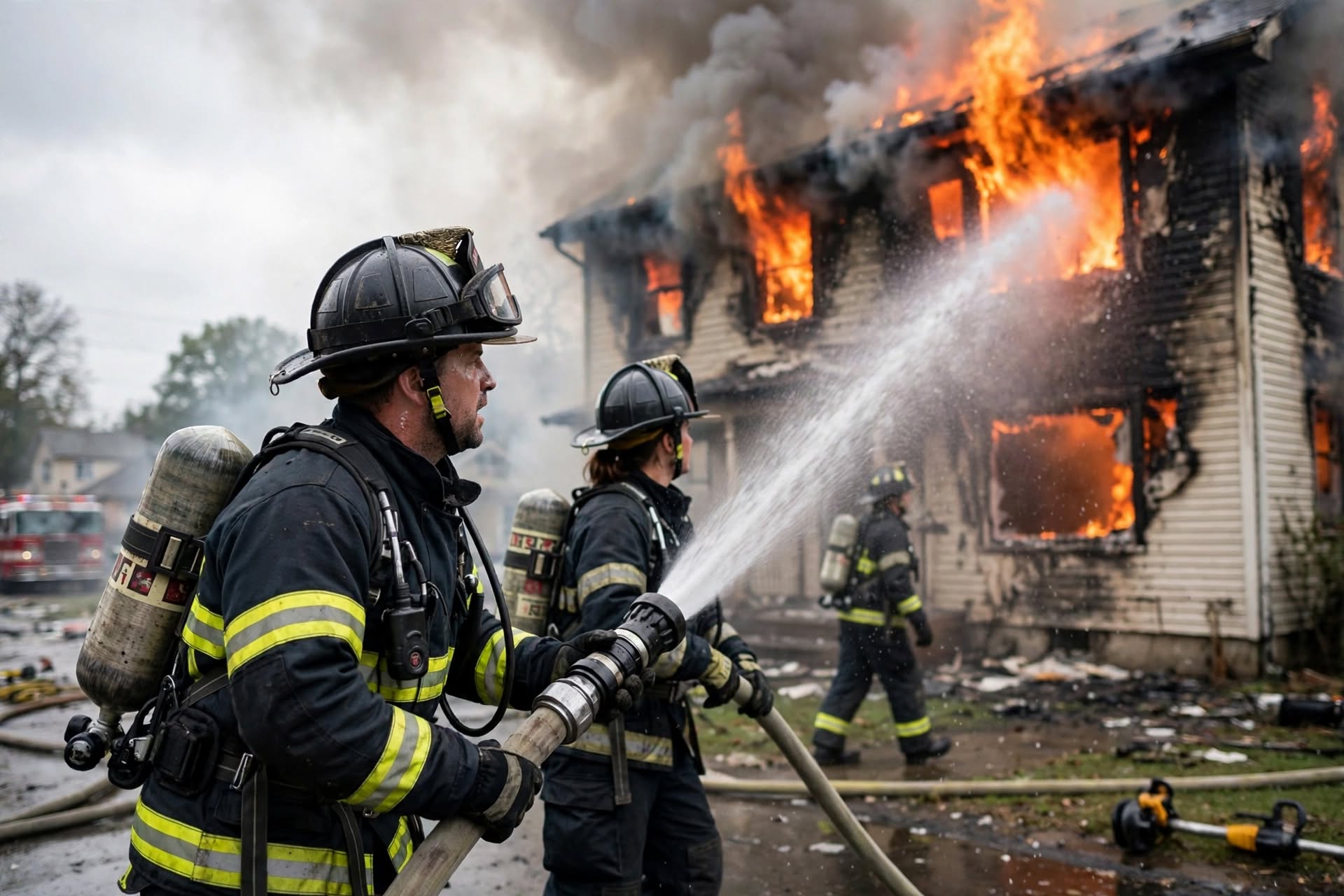
A fire safety design review checks whether the proposed building strategy is technically sound, properly documented, and aligned with applicable requirements. The Saudi Building Code 801 provides important fire protection provisions that need to be considered alongside the broader building requirements. A well-planned review can help project teams identify gaps before they affect construction or authority approval.
1. Define the Scope of the Review
The first step is to establish what the review will cover. A limited review may focus on one system or design issue, while a wider review may examine the overall fire strategy and its relationship with architecture, structure, and building services.
The scope should identify the documents to be reviewed, the code basis, the design stage, and the questions that need answers. It should also clarify that the reviewer is providing technical assurance rather than taking over the original designer’s responsibilities.
A useful review plan identifies:
- Project information and applicable requirements.
- Documents received and documents still missing.
- Critical safety issues requiring early attention.
- Review milestones and responsible parties.
- The method for recording and closing comments.
2. Check the Code Basis and Design Assumptions
A technical review should begin by confirming the relevant code editions and project conditions. Occupancy classification, building height, floor area, construction type, and proposed protection measures may influence which requirements apply.
The reviewer should examine whether the design team has explained its assumptions. If the calculations use a particular occupant load or evacuation arrangement, that basis should be clear and consistent with the drawings.
Where the project relies on an alternative or performance-based solution, the supporting evidence should be appropriate to the issue being assessed. Assumptions should not be treated as proven simply because they appear in a report.
3. Review Fire Protection and Egress Together
Fire protection systems and evacuation arrangements should be evaluated as parts of a single safety strategy. The review may include alarms, sprinklers, smoke management, fire-resisting construction, exit routes, emergency lighting, and firefighter access.
A change in one area can affect another. Moving a stair, changing a room’s use, or revising a ceiling layout may influence travel distances, compartmentation, or system coordination.
Example: If a service route crosses a fire-rated wall, the reviewer should check whether the penetration details preserve the required fire resistance and whether the drawings clearly show the proposed protection method.
4. Examine Important Technical Interfaces
Many design problems occur at the boundaries between disciplines. Architectural drawings may show a wall that differs from the fire strategy, or mechanical plans may contain a duct route that affects a protected exit.
The review process should compare relevant documents rather than assessing each file in isolation. Questions should be directed to the responsible designers so that the issue can be resolved using reliable project information.
Key interfaces include:
- Fire-rated walls, floors, doors, and service penetrations.
- Smoke-control systems and their control sequences.
- Fire pump and riser rooms, including equipment access.
- Exit routes and building security systems.
- Fire command facilities and emergency communications.
5. Make Review Findings Useful and Actionable
A review report should distinguish high-priority safety concerns from minor documentation matters. Each finding should explain the issue, its potential consequence, and the action needed to close it.
Vague comments such as “please review compliance” do not help a design team understand what needs to change. A more useful comment identifies the affected drawing or assumption and requests the evidence needed to demonstrate compliance.
The project team should maintain a comment register showing the responsible party, response, status, and closure date. Important revisions should be checked again to confirm that the proposed correction resolves the original issue without creating a new one.
6. Conclusion
A high-quality fire safety review provides clear, practical feedback that helps stakeholders understand risks and improve design coordination. The process works best when it begins early, uses the correct code basis, and records findings in a consistent and transparent way.
Independent Fire Advisory Consulting can provide strategic advice, peer review, and technical assurance for projects that need an objective assessment. This support can strengthen decision-making while preserving the responsibilities of the design team and relevant approving authorities.
7. FAQs
What documents may be included in a fire safety design review?
Depending on the scope, these may include fire strategies, drawings, calculations, evacuation analysis, smoke-control information, and system specifications.
Should the review happen only before submission?
No. Early reviews can identify major issues before detailed design and construction decisions become difficult to change.
What makes a review comment effective?
It should describe the issue, explain its significance, identify the relevant document, and state what evidence or action is needed.
Does a positive review guarantee approval?
No. Final acceptance depends on the applicable approval process and the relevant authority’s decision.