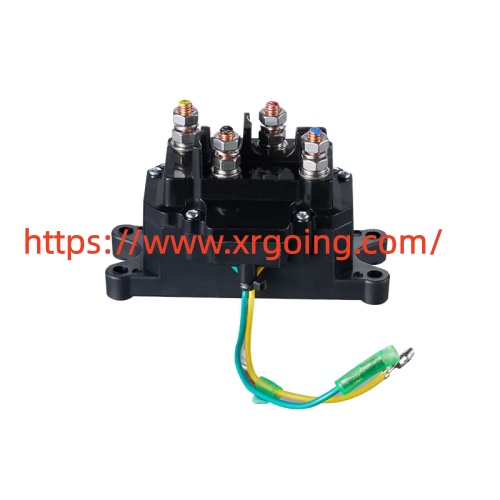
Winch Relay selection deserves careful attention when vehicle owners, marine equipment users, and off road enthusiasts consider how their recovery systems operate. Although this component may appear small compared with the equipment it controls, its role in electrical coordination can influence convenience, maintenance, and overall system usability. Understanding its construction, working principle, and application requirements helps buyers make informed decisions before choosing automotive or marine accessories.
A recovery system involves several connected parts that need to work together. The power source supplies electrical energy, the motor performs the mechanical task, and the control arrangement allows the operator to manage the equipment. Within this process, an electromagnetic switching device helps control the electrical connection between the control circuit and the motor circuit. This arrangement allows a relatively small control signal to manage a larger electrical load without requiring the operator to handle the main current directly.
For vehicle owners, this distinction matters during outdoor activities. Trucks, modified vehicles, recreational vehicles, and marine equipment may encounter different operating environments. Mud, moisture, vibration, temperature changes, and repeated use can all influence the condition of electrical accessories. Selecting suitable components therefore requires more than checking whether a product looks compatible. Buyers should also consider its intended application, construction quality, connection arrangement, and maintenance requirements.
Material selection is another subject worth examining. Conductive contacts need to support electrical transfer, while the surrounding housing provides structural support and helps protect internal parts. The choice of conductive materials, contact surfaces, and insulating structures can influence electrical stability and service conditions. Manufacturing consistency also matters because small differences in assembly may affect how components fit together and operate within a larger system.
For manufacturers, material evaluation involves balancing electrical requirements with mechanical considerations. Contact surfaces should maintain suitable connections during repeated switching cycles. Insulating materials need to separate conductive sections and support the intended operating environment. Housing design should also consider installation conditions and exposure to external influences. These details are relevant to distributors and equipment manufacturers who need components suited to their product applications.
The working principle is based on electromagnetic action. When the control circuit receives an operating signal, an internal coil generates a magnetic field. This movement changes the position of the electrical contacts, allowing the connected motor circuit to open or close. When the signal stops, the mechanism returns according to its internal design. Such an arrangement separates the operator control function from the main power path, making electrical management more practical for equipment that requires controlled motor operation.
However, the working principle alone does not determine whether a product suits a particular installation. Buyers should begin by identifying the equipment type and its intended operating conditions. A component designed for one vehicle or marine application may not automatically suit another. Checking the manufacturer's product information, connection layout, electrical compatibility, and installation instructions can help reduce selection errors.
Physical construction deserves attention as well. A well organized housing can make installation and inspection easier. Clearly arranged terminals help technicians identify connection points, while an appropriate mounting structure supports stable placement. These design details may seem ordinary during purchasing, but they can make a difference when equipment needs servicing in a workshop or in an outdoor location.
User experience is closely connected with the control arrangement. Operators generally want a system that responds predictably and can be managed without unnecessary complexity. Clear control identification, accessible installation positions, and sensible wiring organization contribute to a more straightforward operating experience. For marine users, equipment layout also needs to account for the available installation space and the surrounding environment. A practical design should support the intended task without making routine inspection difficult.
Maintenance planning should form part of the purchasing process. Electrical connections deserve periodic inspection, especially when equipment operates in environments exposed to moisture, dust, and vibration. Loose terminals, damaged insulation, corrosion, and worn wiring can affect the wider electrical system. Following appropriate maintenance instructions and checking related components can help identify potential issues before they interrupt equipment use.
For B2B buyers, product consistency and supplier communication are also important considerations. Distributors may serve customers with different vehicle models and application requirements, so clear product identification and accessible technical information can support purchasing decisions. Manufacturers and wholesalers should pay attention to product categories, application descriptions, packaging, and communication during order confirmation. These details help connect the selected component with the actual needs of the end user.
Zhejiang Xiangrui Auto Electric Co., Ltd. focuses on the research, development, production, and sales of automotive electrical accessories, marine accessories, and general modification parts. Its product range includes dedicated components for different equipment applications, including marine recovery systems. The company also offers several product options within this category, giving buyers a basis for discussing application compatibility and purchasing requirements. Its manufacturing experience and attention to product development provide relevant background for distributors seeking an established supplier.
As vehicle equipment continues to develop, electrical integration and practical maintenance will remain important subjects for equipment owners and industry buyers. A thoughtful purchasing decision should consider material construction, control requirements, installation conditions, and the environment in which the equipment will operate. By connecting these factors with a suitable product range, Xiangrui supports customers looking for automotive and marine electrical accessories. Buyers interested in its product information and manufacturing background can visit https://www.xrgoing.com/ to review the company and discuss requirements for their applications.